Renewables
Malawi Commissions 20-MW Battery System to Ease Power Shortages
Malawi's new 20-MW battery storage system could strengthen grid resilience, support renewable energy integration and offer lessons for Africa's power sector.
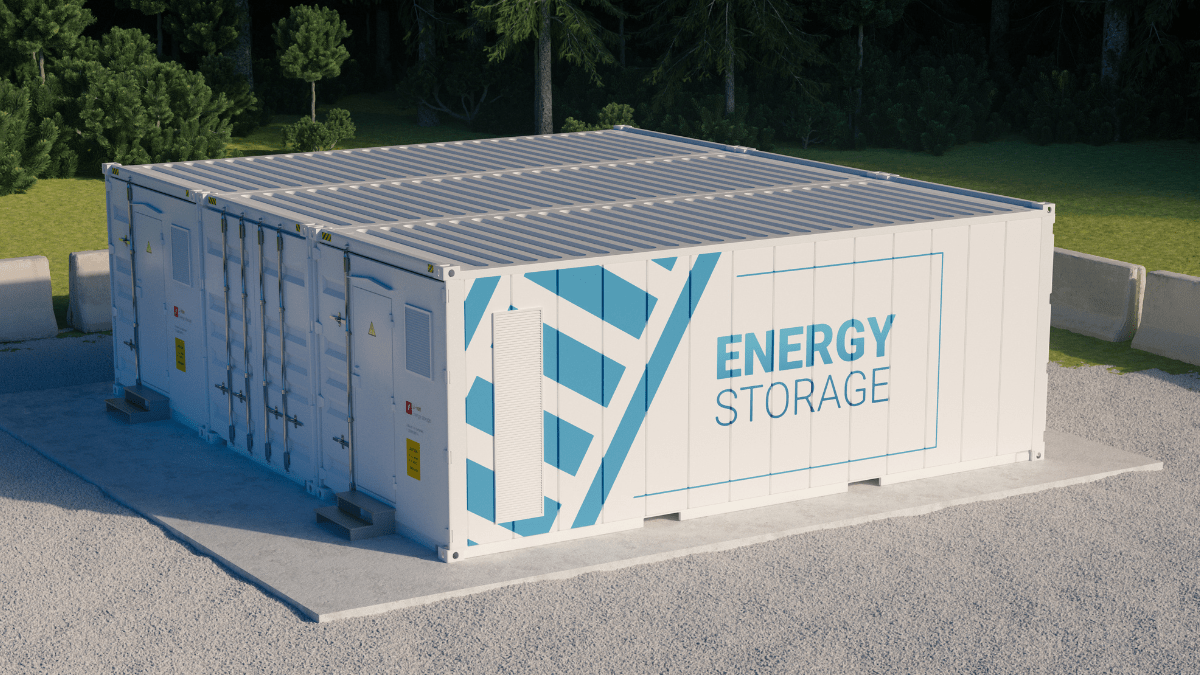
Malawi's electricity utility, ESCOM, has commissioned a 20-MW/40-MWh battery energy storage system to help stabilise the national grid and reduce pressure on the power network during peak demand, although the project is not expected to immediately end the country's persistent electricity shortages.
The system is designed to store surplus electricity when demand is low and feed it back into the grid when consumption rises, particularly during the evening and early morning peaks. ESCOM spokesperson Pilirani Phiri said the technology would give the utility greater flexibility in managing electricity supply and demand.
“It will be capturing excess power when demand is low and then inject it back into the system during peak hours, especially during evening or early morning,” Phiri said.
The $20.245 million project, funded by the Global Energy Alliance for People and Planet (GEAPP), represents an investment of more than K34 billion in Malawi's electricity infrastructure and is expected to support efforts to improve grid stability.
Storage strengthens grid management
A battery energy storage system stores electricity for later use, allowing utilities to shift available power from periods of low demand to times when consumption is highest. This can help reduce pressure on the grid without requiring the immediate construction of new generation capacity.
Phiri, however, cautioned that the project would not resolve Malawi's power crisis on its own.
“The system does not end our electricity challenges overnight, end load shedding at once, but it is a giant step in power supply and demand management,” he said.
The battery system is being introduced as Malawi continues to grapple with electricity supply constraints. Hydropower accounts for the bulk of the country's generation capacity, leaving the power system exposed to fluctuations in water levels as well as technical problems affecting ageing generation facilities.
The storage project could help cushion some of these pressures by allowing ESCOM to better manage available electricity and meet short periods of high demand. It may also improve the integration of variable renewable energy sources, whose output can fluctuate depending on weather and operating conditions.
However, the system's 20-MW discharge capacity remains relatively small compared with the scale of Malawi's wider electricity deficit. Persistent challenges, including limited generation capacity, ageing transmission infrastructure and heavy dependence on hydropower, will continue to require investment beyond battery storage.
The project nevertheless marks a shift towards more flexible grid management in Malawi and could offer a model for other African utilities facing similar challenges. As electricity demand grows and climate variability puts additional pressure on hydropower systems, battery storage is increasingly being considered as part of a broader strategy to improve grid resilience and make better use of available generation.
Related Stories
Sign up for our newsletter.
Get the latest news, expert analysis, and industry insights delivered straight to your inbox. Join thousands of professionals shaping the future of energy.
By submitting my information, I agree to the Privacy Policy and Terms of Service.