Power
ESCOM Seeks Public Support for Malawi’s Power Expansion Plans
Malawi is expanding solar, hydropower and grid projects while encouraging electricity conservation to tackle chronic power shortages and build a more reliable energy system.
The Malawi government has unveiled fresh measures to strengthen the country's electricity supply, announcing new generation and transmission projects as part of efforts to ease recurring blackouts and support growing demand for power.
Speaking in Parliament on Tuesday, Minister of Energy Jean Mathanga acknowledged the hardship frequent power cuts have caused households, businesses and the wider economy, saying the government is accelerating investments to improve the country's electricity system.
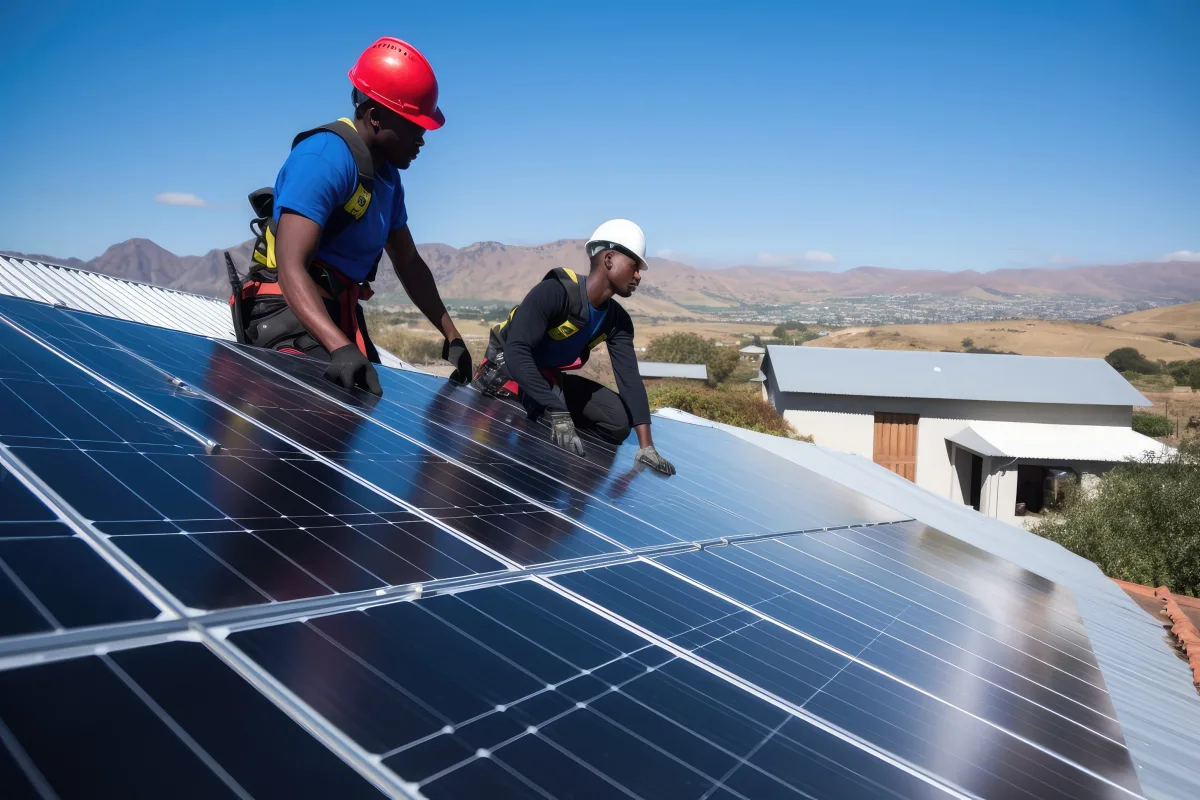
Among the projects nearing completion are the 20-megawatt Kanengo Battery Energy Storage System and the 10-megawatt Nanjoka Solar Power Plant in Salima, which is due for commissioning on 6 August. The Malawi-Mozambique Interconnector is also expected to come into operation in the second week of August, giving the country access to additional electricity supplies through the regional grid.
Mathanga said work is also progressing on the 358-megawatt Mpatamanga Hydropower Project, alongside the Eastern Backbone Transmission Line linking Salima, Nkhotakota and Nkhata Bay, and the Western Backbone Transmission Line connecting Malawi to Zambia.
She added that the government is introducing tariff reforms, rolling out advanced metering systems and restructuring ESCOM and the Electricity Generation Company (EGENCO) to improve the financial health and efficiency of the power sector. Authorities have also set up an inter-agency committee to tackle vandalism of electricity infrastructure.
Power shortages remain a challenge
Malawi's electricity sector has struggled for years to keep pace with rising demand. Ageing infrastructure, limited generation capacity and years of underinvestment have contributed to frequent load shedding, disrupting businesses, public services and everyday life.
The aforementioned investments are aimed at addressing those long-standing challenges by expanding electricity generation, strengthening transmission networks and bringing more renewable energy into the system. Together, these projects could improve the reliability of power supply, reduce dependence on a single energy source and support economic growth as electricity demand continues to rise.
ESCOM said its engineers are working around the clock to strengthen the grid and improve supply, adding that early signs of progress are beginning to emerge. Even so, the utility said public cooperation will remain important until the new projects are fully operational.
Through its "Power Saved is Power Shared" campaign, ESCOM is encouraging households, businesses and institutions to reduce electricity consumption between 4:00 a.m. and 6:00 a.m. and 4:30 p.m. and 8:30 p.m., when demand on the grid is highest.
The utility further stated that electricity saved during these periods can be redirected to other homes, businesses and essential services such as hospitals, allowing more people to benefit from the available supply.
The government's push also forms part of Malawi's broader effort to build a more resilient electricity sector. For decades, the country has relied heavily on hydropower, leaving electricity supply vulnerable to droughts and changing weather patterns. By investing in solar energy, battery storage and regional power interconnections, Malawi is gradually diversifying its energy mix while laying the foundation for a more stable and secure electricity system.
Related Stories

Sign up for our newsletter.
Get the latest news, expert analysis, and industry insights delivered straight to your inbox. Join thousands of professionals shaping the future of energy.
By submitting my information, I agree to the Privacy Policy and Terms of Service.