Renewables |Power
Ghana Turns to Solar as Electricity Demand Continues to Rise
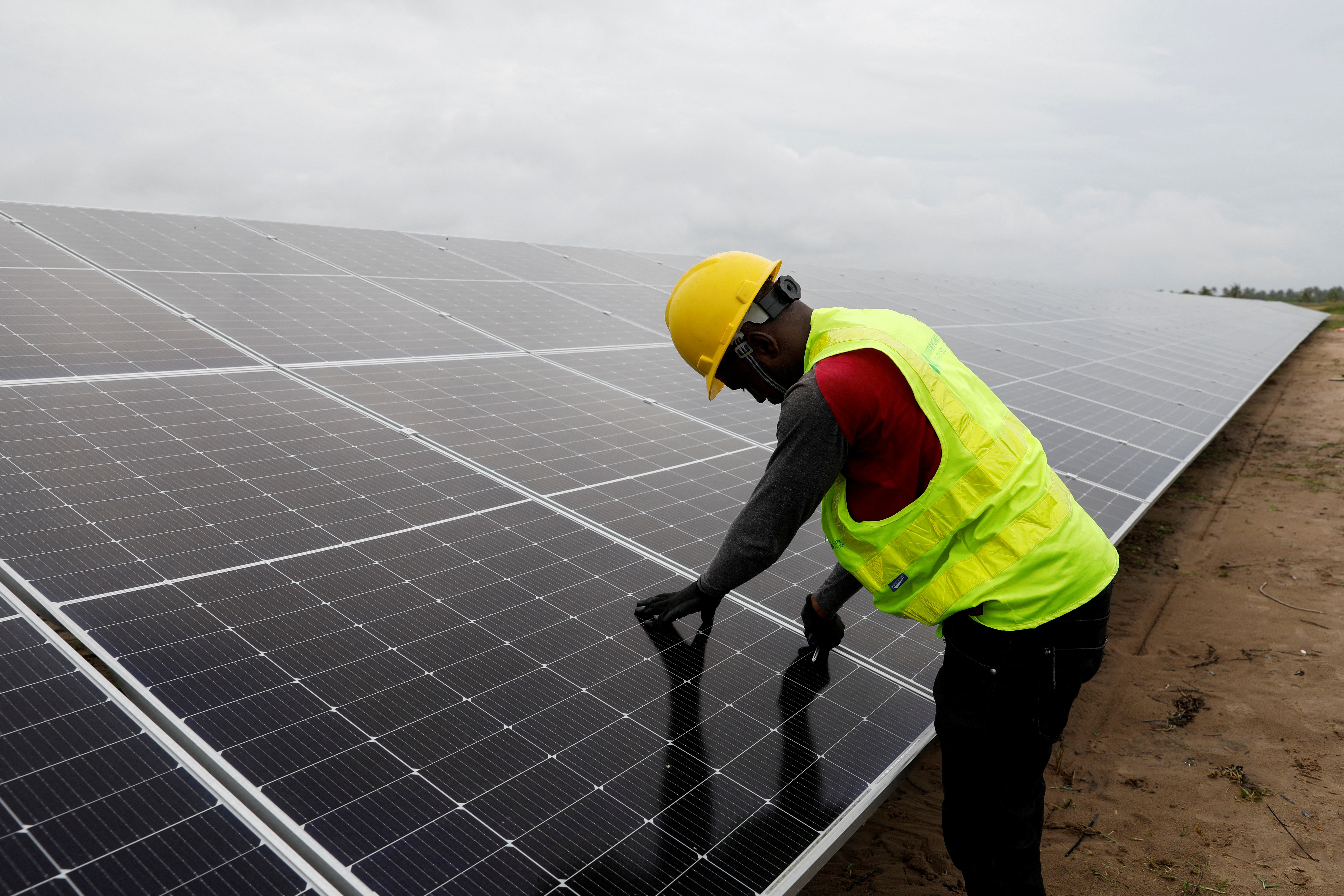
Rising electricity use has pushed Ghana to expand renewable energy, with thousands of public institutions set to receive solar power systems from next month.
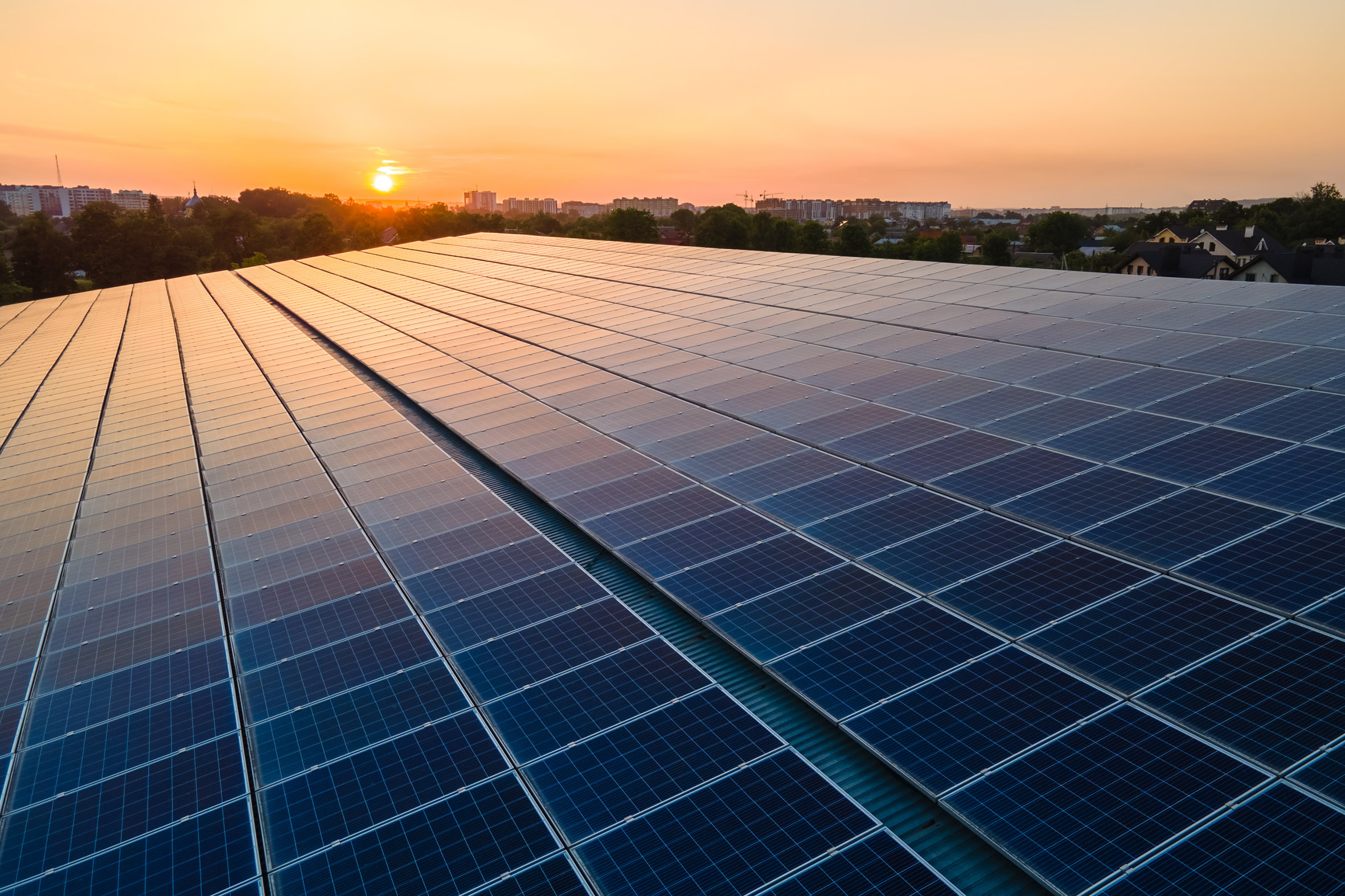
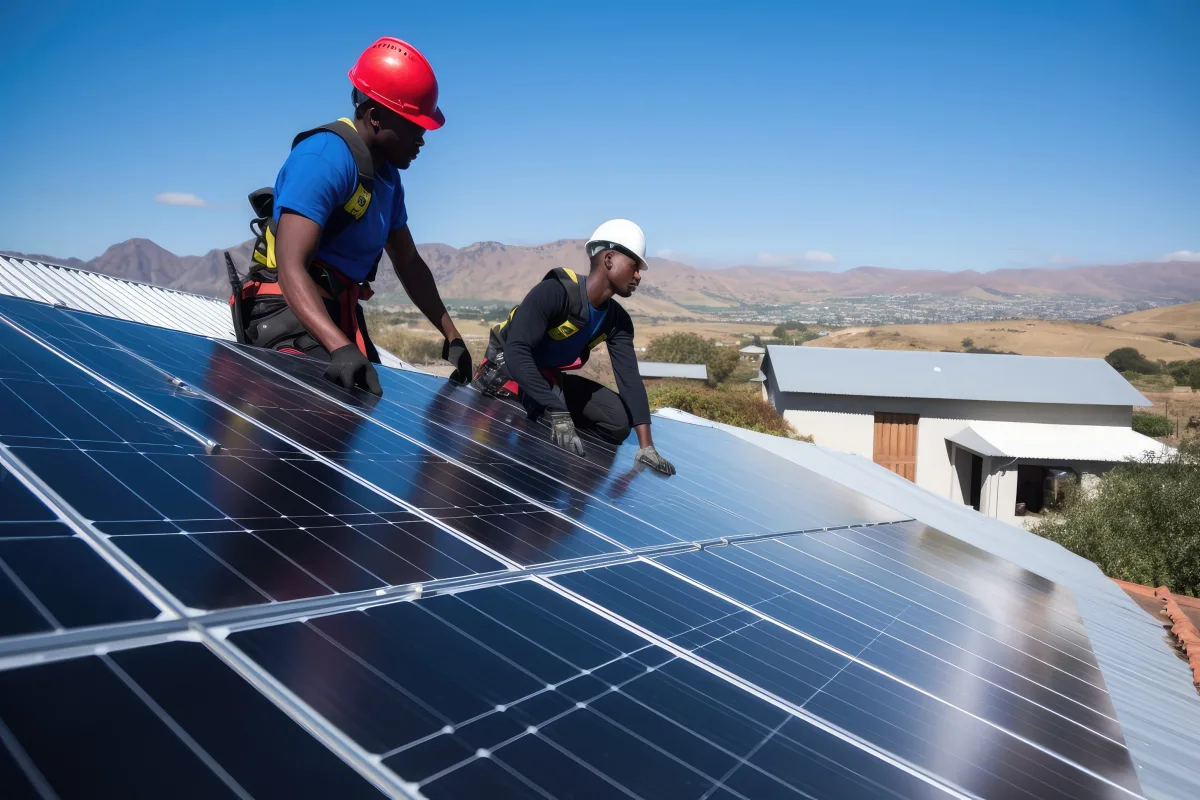
Ghana is turning to solar energy to cope with rising electricity demand, with the government set to begin delivering 55,000 solar home systems to selected public institutions next month.
Energy and Green Transition Minister Dr John Abdulai Jinapor announced the plan in Accra at the opening of the two-day 7th Ghana International Petroleum Conference.
The programme aims to reduce pressure on the national electricity grid as population growth, urbanisation and industrial activity continue to increase electricity consumption.
Electricity demand has continued to increase as more people gain access to power and businesses require more energy to operate. The government is now expanding the use of renewable energy in public institutions to reduce the load on the national grid while improving electricity supply for other users.
The plan also fits into Ghana's long-term effort to build a cleaner electricity system. By relying more on solar power, the country hopes to improve energy access, cut greenhouse gas emissions and strengthen electricity security without relying entirely on conventional power generation.
Rising electricity demand drives solar push
Dr Jinapor said the government will begin distributing the 55,000 solar home systems next month to selected government institutions.
The installations are intended to reduce the amount of electricity these institutions draw from the national grid. Lower demand from public facilities will allow the grid to supply electricity more efficiently to homes, businesses and other consumers.
The minister said increasing electricity use, driven by population growth, urban expansion and industrial activity, requires Ghana to rely on a mix of energy sources instead of depending mainly on conventional electricity generation.
That approach places renewable energy alongside existing power sources as the country works to meet future electricity needs.
The government believes solar installations in public institutions will also improve energy efficiency while making electricity supply more reliable.
Clean energy strategy gains momentum
The solar programme forms part of Ghana's plan to increase the share of renewable energy in its electricity mix.
The country is pursuing this path while continuing investment in its petroleum sector, reflecting an effort to meet present energy needs and prepare for future demand.
Installing solar systems in public institutions also supports national climate objectives by reducing greenhouse gas emissions linked to electricity generation.
The programme may also reduce the amount of electricity purchased from the national grid by government institutions, helping public facilities rely more on their own power supply during daylight hours.
Dr Jinapor unveiled the initiative at the 7th Ghana International Petroleum Conference held at the Palms Convention Centre in Accra.
His announcement places renewable energy at the centre of Ghana's response to increasing electricity demand. Rather than relying only on expanding conventional power generation, the government is introducing solar systems into public institutions to improve electricity supply.
Related Stories
Sign up for our newsletter.
Get the latest news, expert analysis, and industry insights delivered straight to your inbox. Join thousands of professionals shaping the future of energy.
By submitting my information, I agree to the Privacy Policy and Terms of Service.