Renewables |Power
AfDB Backs Solar Power to Help EgyptAlum Meet EU Carbon Rules
A new solar power project in southern Egypt is set to cut factory emissions and strengthen the country's clean electricity supply through battery storage.
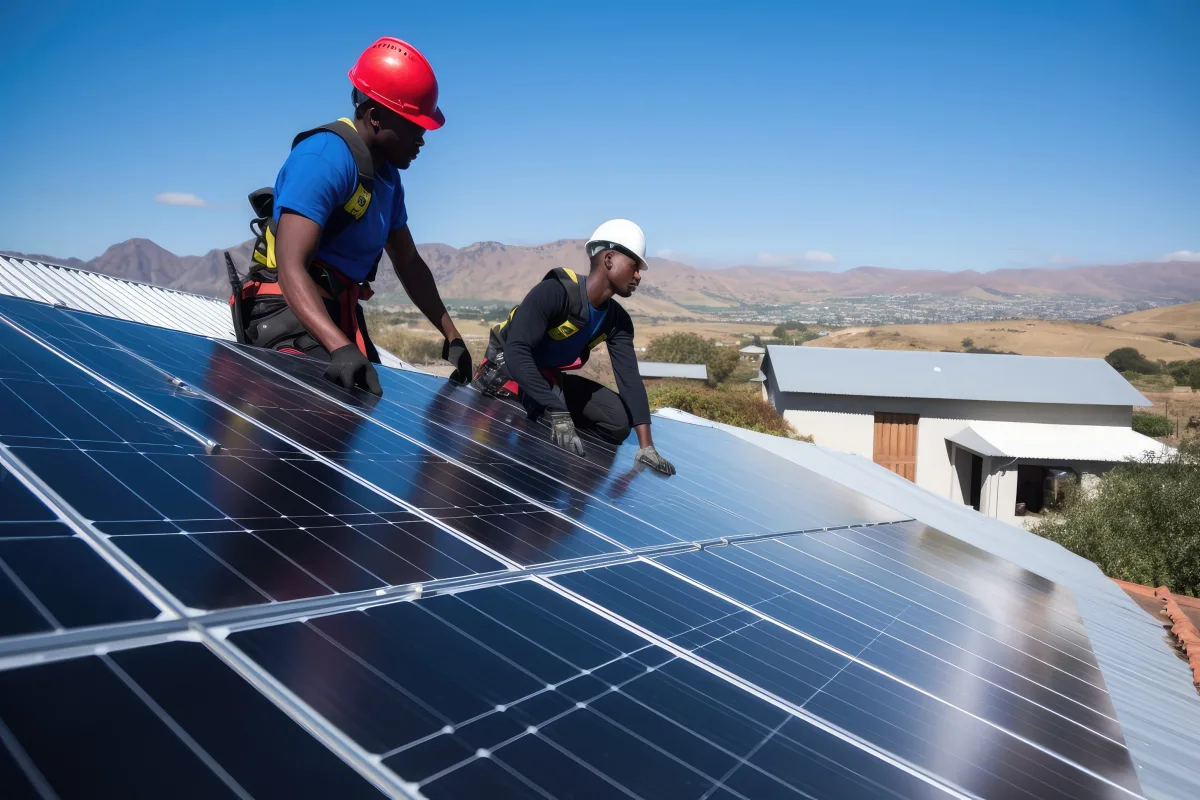
Egypt's largest aluminium producer, EgyptAlum, is ready to receive clean electricity from a new 500-megawatt solar power plant after the African Development Bank approved up to $66 million for the first phase of the Dandara Solar Project.
The project, located in Qena Governorate, aims to help EgyptAlum meet strict European carbon rules, secure reliable power for production and reduce greenhouse gas emissions, making it easier for the company to keep selling its products in European markets.
The financing gives the project an important financial boost as industries face increasing pressure to lower carbon emissions. It also supports Egypt's drive to expand renewable energy and reduce dependence on fossil fuels while making its industrial sector more competitive in international markets.
The funding package includes $46 million from the African Development Bank's ordinary resources and another $20 million in concessional funding from the Climate Investment Funds' Clean Technology Fund. More debt financing is planned through a group of development finance institutions. The entire project is estimated to cost more than $290 million.
Solar power to support industrial exports
The Dandara Solar Project will include a utility-scale solar photovoltaic plant and a 100-megawatt-hour battery energy storage system. The battery will store electricity generated during the day and supply power during evening periods when electricity demand is higher. It will also help keep the electricity grid stable when solar generation changes with weather conditions.
The project is scheduled to begin commercial operations early in 2028. Once completed, it is projected to generate about 1,373 gigawatt-hours of clean electricity every year.
EgyptAlum will buy all the electricity produced under a 25-year Power Purchase Agreement. Electricity will reach the company through a wheeling arrangement with the Egyptian Electricity Transmission Company.
The renewable electricity is also intended to help EgyptAlum comply with the European Union's Carbon Border Adjustment Mechanism, which took effect in January 2026. The policy places carbon costs on certain imported goods, encouraging manufacturers outside the European Union to lower emissions during production.
Jobs and lower emissions
The African Development Bank projects that the solar facility will prevent about 500,000 tonnes of carbon dioxide emissions every year. Over its operating life, the project could avoid about 12.5 million tonnes of emissions.
Construction of the facility is projected to provide about 2,500 jobs. Another 23 permanent jobs will be available after the plant begins operations. Plans for the project also include more employment opportunities for women and young people.
Beyond supplying electricity to one factory, the project is intended to encourage more private investment in renewable energy for commercial and industrial users. Large companies are increasingly seeking clean electricity to lower operating emissions and meet environmental standards demanded by export markets.
The African Development Bank sees the Dandara Solar Project as one of Egypt's largest private corporate renewable energy power purchase projects. The combination of large-scale solar generation and battery storage is also intended to strengthen electricity supply while supporting the country's transition to lower-carbon industrial production.
The project, once finalised, will stand as another major renewable energy investment in Egypt, linking clean electricity generation with industrial production, export competitiveness and long-term emission cuts.
Related Stories

Sign up for our newsletter.
Get the latest news, expert analysis, and industry insights delivered straight to your inbox. Join thousands of professionals shaping the future of energy.
By submitting my information, I agree to the Privacy Policy and Terms of Service.