Renewables |Power
Belle Rive Farm Begins Build of South Africa's Largest Off-Grid Solar and Battery System for Agriculture
A rise in electricity costs is pushing large farms to replace grid power with renewable energy, and one South African project is set to become a major example of that shift.

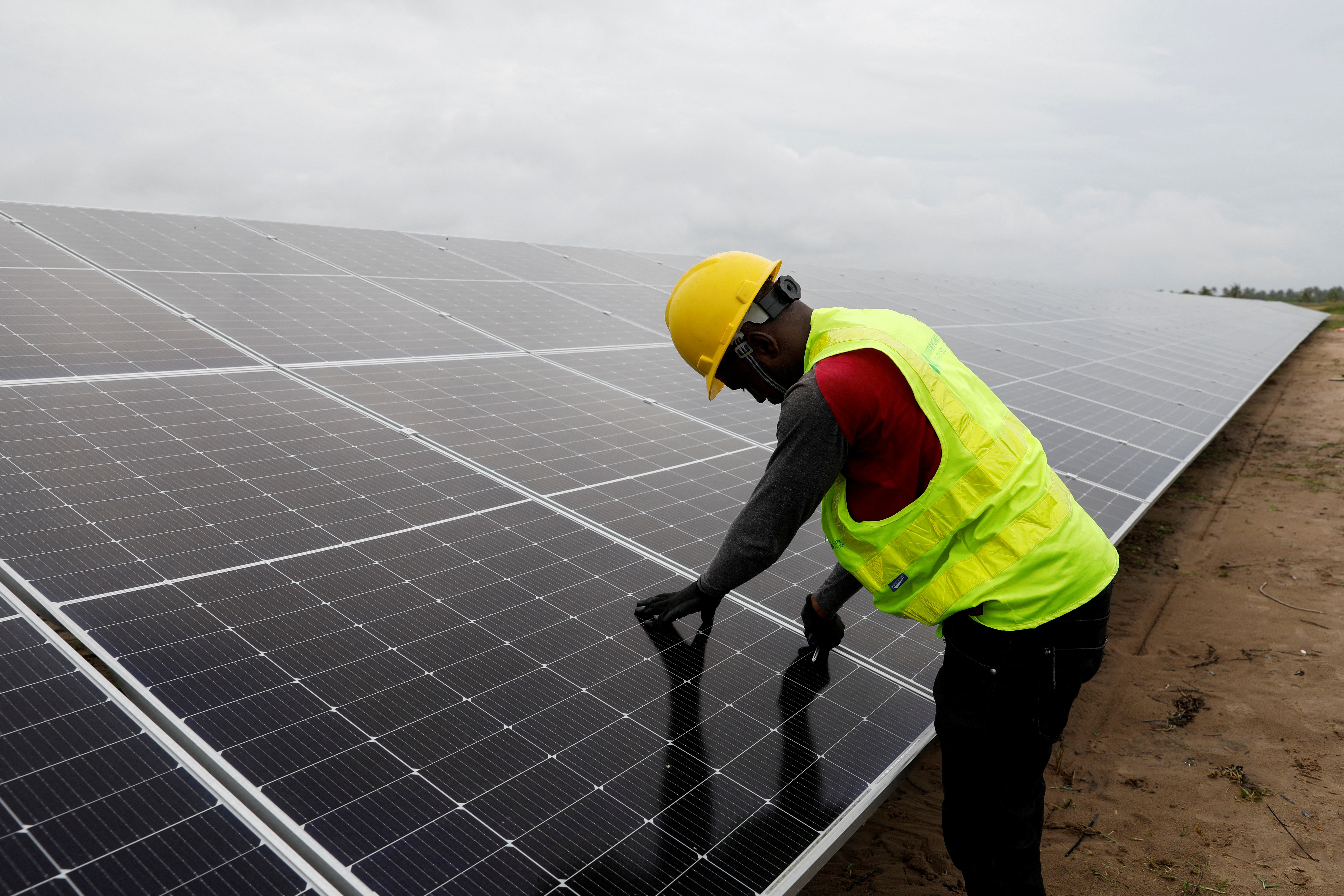
South Africa's Belle Rive Farm has begun to build what is set to be the country's largest solar and battery system for an agricultural business, a project that will allow the Free State farm to operate entirely without electricity from the national grid.
The 4.89 MWp solar photovoltaic plant and 20 MWh battery energy storage system are aimed at supplying power to more than 2,000 hectares of farmland, helping the business avoid repeated electricity tariff increases while keeping vital farming operations running without interruption.
The project is important since it shows how commercial farms are turning to renewable energy to secure reliable and cheaper electricity.
Electricity has become a major cost for farmers in South Africa. Eskom increased power tariffs by 12.74% in 2025, followed by another 8.76% increase from April 2026, according to a report by SolaQuarter.
Farms that depend on irrigation pumps, refrigeration and crop processing face even higher electricity bills than many other agricultural businesses. This has pushed many producers to seek long-term alternatives that reduce operating costs and improve energy security.
Belle Rive Farm is said to have appointed renewable energy company RenEnergy to design and build the off-grid system. Once completed, the installation will distribute electricity through a 17-kilometre medium-voltage network, allowing all sections of the farm to operate from renewable power.
Rising electricity costs reshape farm energy plans
Belle Rive Farm produces seed potatoes, ware potatoes, pecan nuts, onions and maize. These crops rely on constant electricity to power irrigation equipment, processing facilities and cold rooms used to preserve harvested produce. Even short power interruptions can reduce efficiency and affect product quality.
To ensure reliable electricity throughout the day and night, RenEnergy studied the farm's electricity demand by examining half-hourly consumption records from several supply points. The company then designed a battery storage system large enough to supply critical operations during the night and during periods when solar generation falls because of poor weather.
The battery system will also remove the need for diesel generators, cutting fuel use and reducing operating costs linked to emergency backup power.
Battery project ranks among the region's largest
Industry estimates place the Belle Rive project among the largest behind-the-meter battery storage systems in Southern Africa.
Most commercial, industrial and agricultural battery installations in the region currently fall between 10 MWh and 20 MWh, putting Belle Rive's 20 MWh system at the upper end of that range.
The battery alone is projected to account for close to 5 percent of South Africa's annual commercial, industrial and agricultural battery storage installations.
Belle Rive's approach shows a change in how large farms are planning long-term energy investment, moving away from grid power backed by diesel generators and toward combined solar-and-battery systems that store daytime generation for use after dark.
Farms depend on continuous power for irrigation, cooling, storage and processing, and a growing number are weighing similar systems to avoid the production losses that come with sudden power loss, while planning around electricity costs that have moved sharply upward over the past two years.
Related Stories

Sign up for our newsletter.
Get the latest news, expert analysis, and industry insights delivered straight to your inbox. Join thousands of professionals shaping the future of energy.
By submitting my information, I agree to the Privacy Policy and Terms of Service.