Renewables
Morocco Puts Green Power at Fuel Stations
New licensing rules will encourage fuel stations to generate or buy renewable electricity and prepare for electric and hybrid vehicles.
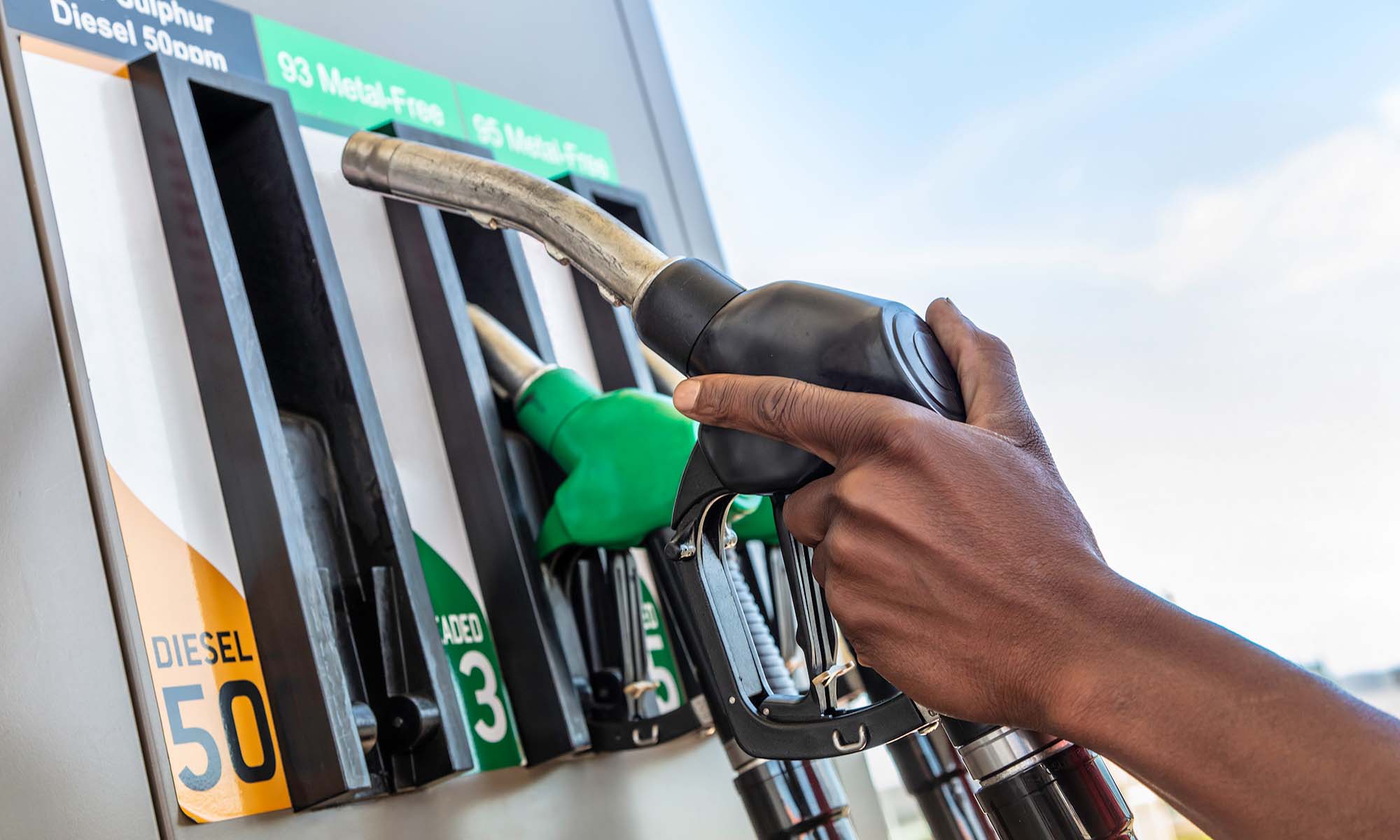
Morocco will begin applying a new fuel station licensing system on October 31 that encourages operators to meet part or all of their electricity needs with renewable power, placing petrol stations within the country’s 2030 and 2050 energy plans.
Under the framework, investors seeking approval to establish fuel stations must submit technical, legal, economic and environmental documents through a digital application system designed to standardise the licensing process.
The policy also opens room for facilities that can serve electric and hybrid vehicles as Morocco records a sharp rise in demand for cleaner transport.
Electric vehicle demand climbs
Sales of electric vehicles reached 19,611 units in the first half of the year, representing a 97.1 per cent rise from the same period in 2025, Moroccan journalist and political science researcher Aymane Mourabet said.
He said the licensing changes could help prepare transport infrastructure for industries connected with alternative energy and support Morocco’s preparations for the 2030 FIFA World Cup, which it will co-host.
Fuel station operators may produce renewable electricity for their own use or buy green power from external sources under the new framework.
“The decision moves the energy transition from isolated initiatives towards practical implementation across everyday infrastructure,” Mourabet told DNE Africa.
Morocco plans to raise the share of renewable sources in its electricity mix to 52 per cent by 2030 and 70 per cent by 2050 as the country reduces dependence on fossil fuels.
The fuel station rules bring those ambitions into a part of the transport network traditionally built around petrol and diesel sales, with renewable electricity now encouraged as part of the infrastructure needed to operate such facilities.
The digital licensing system will also replace a process that required separate procedures, setting out a single route for investors to present the documents required for approval.
Infrastructure beyond major cities
Mourabet said the benefits of the new system should not be limited to large cities and industrial areas.
“There needs to be a comprehensive national strategy to ensure that the benefits of the energy transition reach different regions and are not concentrated in a limited number of areas,” he said.
He noted that the framework could create openings for investment and new energy markets, provided the infrastructure reaches different parts of the country.
Morocco’s automotive ambitions also feature in the background to the policy. The country is expanding its position in global supply chains, creating a need for energy and industrial infrastructure that can meet changing international and continental standards.
That industrial direction has placed electricity supply, transport facilities and renewable energy within the same planning space as Morocco prepares for higher demand from both vehicles and industry.
The new licensing rules therefore give renewable power a place in the approval process for future fuel stations at a time when electric vehicle sales are rising rapidly and the country is working towards a larger share of clean electricity.
From October 31, investors entering the fuel retail business will face a licensing system that combines conventional station requirements with technical, economic, legal and environmental documentation, while renewable electricity is encouraged as part of the energy supply for the facilities.
The change places an everyday piece of transport infrastructure alongside national plans for cleaner power, electric mobility and industrial expansion.
Related Stories

Sign up for our newsletter.
Get the latest news, expert analysis, and industry insights delivered straight to your inbox. Join thousands of professionals shaping the future of energy.
By submitting my information, I agree to the Privacy Policy and Terms of Service.