Renewables |Finance
Ramky Weighs $2bn Ghana Investment, Including Waste-to-Power
Ghana’s proposed partnership with Ramky could deepen the country’s industrial base while addressing two growing needs reliable energy and waste management, if the projects move from exploratory discussions to implementation.
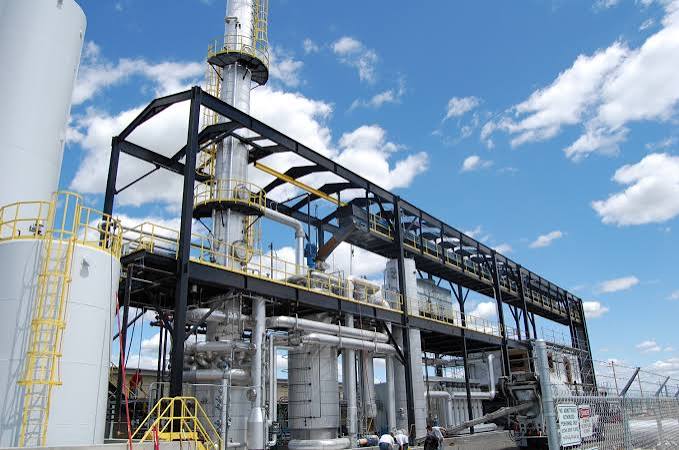
India’s Ramky Group is considering investments of at least $2 billion in Ghana over the next five years, with plans spanning waste management, power generation and industrial manufacturing.
The proposals, discussed in Accra on August 18, include a 24 MW waste-to-power plant, a national medical-waste treatment facility and a plant for handling hazardous industrial waste.
Ramky’s representatives held discussions with the Ghana Investment Promotion Authority (GIPA) and officials from the 24-Hour Economy and Accelerated Export Development Secretariat. The projects remain at the exploratory stage, with no final investment decisions, locations or implementation timelines announced.
The group is also considering the phased development of a 2,000-acre industrial park to host manufacturing activities in pharmaceuticals, food processing, chemicals, textiles, petrochemicals and medical devices.
The proposed industrial park would form a major part of the investment programme, while the waste-management projects could provide supporting infrastructure for industries expected to operate within the development.
Waste-to-power adds energy dimension
The proposed 24 MW waste-to-power plant would give the investment programme an energy component while providing a potential outlet for municipal and other waste streams.
The project would convert waste into electricity, potentially supporting Ghana’s power supply while reducing the volume of waste requiring conventional disposal. However, the proposal is yet to reach the development stage, and details on the technology, feedstock requirements and financing have not been disclosed.
Ghana has previously implemented smaller waste-to-energy initiatives. A hybrid facility at Gyankobaa in the Ashanti Region, commissioned in 2022, combines solar, biogas and pyrolysis technologies and has a generation capacity of about 400 kW.
Interest in larger projects has also increased. In May 2026, the government signed a memorandum of understanding with Canada-based Portage Energy Group for waste-to-energy and waste-to-value projects, with proposed facilities capable of generating up to 25 MW each.
Ramky’s proposal would add another potential large-scale waste-to-energy investment to Ghana’s emerging pipeline.
The wider investment plan also aligns with Ghana’s efforts to expand domestic manufacturing under the 24-Hour Economy programme. The proposed industrial park could support continuous production and export-oriented industries, while creating demand for supporting infrastructure such as electricity and specialised waste treatment.
Related Stories
Sign up for our newsletter.
Get the latest news, expert analysis, and industry insights delivered straight to your inbox. Join thousands of professionals shaping the future of energy.
By submitting my information, I agree to the Privacy Policy and Terms of Service.