Renewables |Power
Uganda Turns to Factory Rooftops as Blackout Risk Nears
Government expects large industries to generate part of their own electricity and return unused solar power to the grid as demand closes in on available supply.
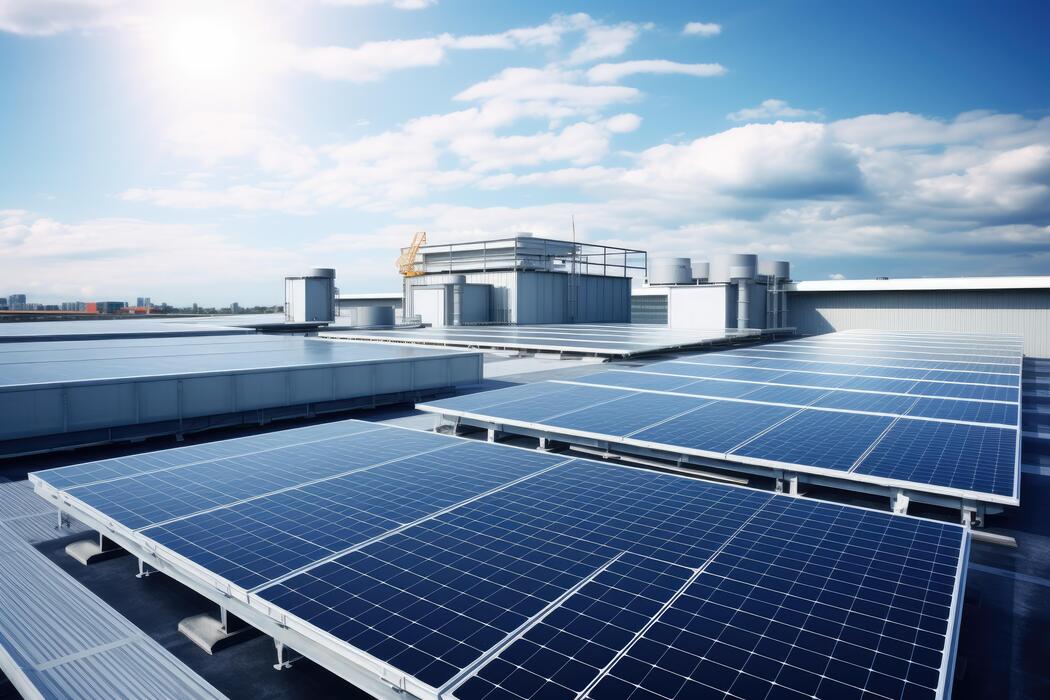
Uganda is looking to factories to help ease pressure on its electricity system, with Trade, Industry and Cooperatives Minister Sanjay Tanna proposing that major industrial users generate part of their own power through rooftop solar as the country faces a possible return to load shedding within a year.
The proposal would turn heavy electricity consumers into suppliers of surplus power through net metering, freeing more grid electricity for new factories and industrial projects.
Tanna said the danger of supply restrictions was no longer a distant issue. In his view, Uganda could enter load shedding within months, with one year being the outer limit, if new generation and alternative energy investments fail to match industrial demand.
His warning comes as the government works to expand industrial production and attract new investments, placing more demand on an electricity system already expected to serve steel plants, cement manufacturers and other heavy users.
Solar on the factory roof
Tanna’s proposal centres on a simple redistribution of electricity demand.
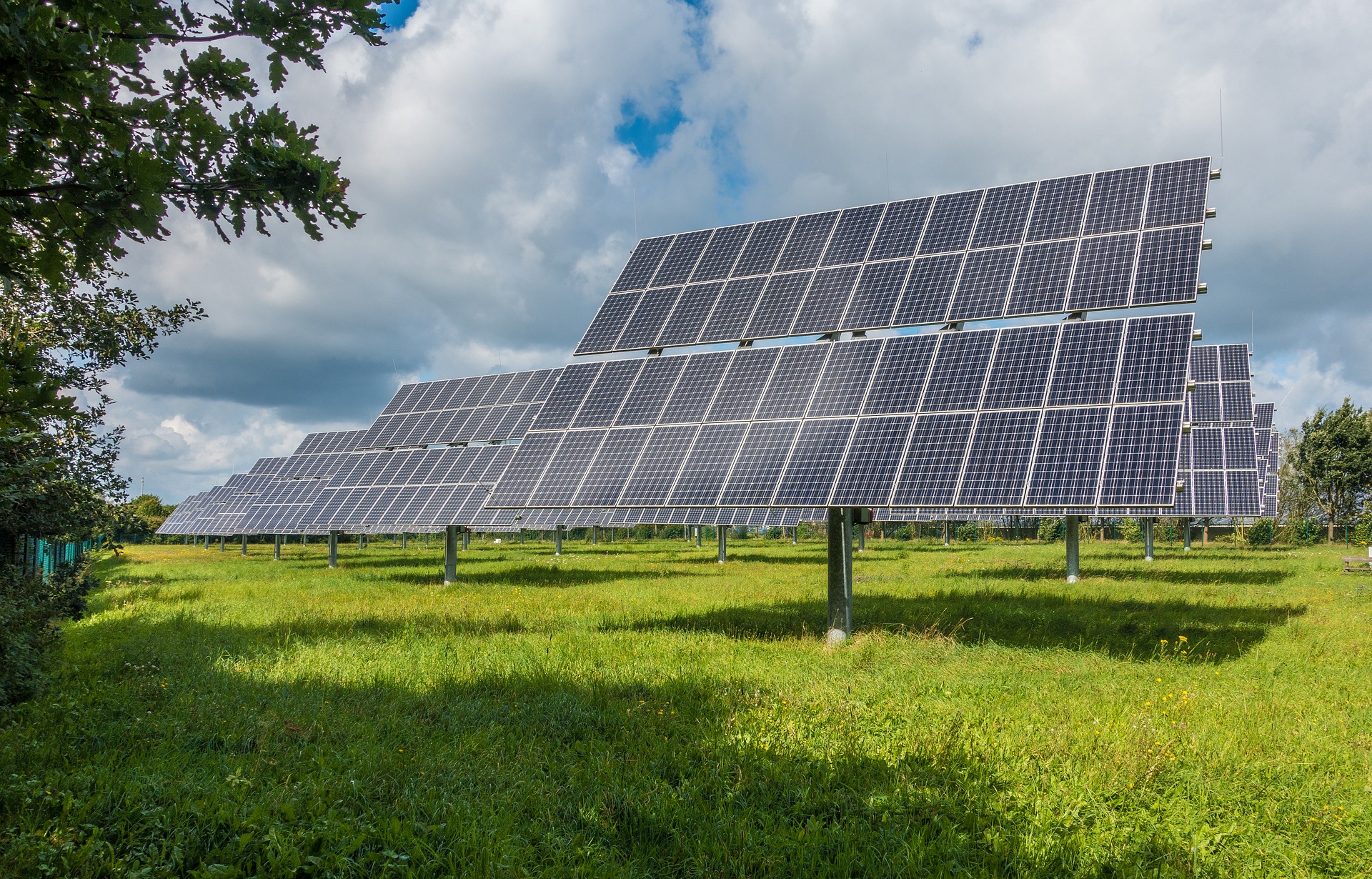
Factories with large rooftops could install solar systems to meet part of their daily energy needs. Where production exceeds their immediate use, the surplus could enter the national grid under net-metering arrangements.
That would reduce the amount of grid electricity consumed by large industries and create more room for new industrial connections.
The minister said the ministries responsible for trade and energy should work more closely to encourage such installations among major power users.
He pointed to the National Enterprise Corporation facility at the Independence Grounds and GenTex in Nintono as examples of net-metering projects already in operation.
“We have some success stories to show the skeptics in industry,” Tanna said.
The proposal comes with a broader warning for Uganda’s industrial programme: building factories without enough electricity to support them could leave new investments competing for limited supply.
Prime Minister Robinah Nabbanja acknowledged the pressure, saying government needed major investment in electricity generation and infrastructure to support industries being established.
“We need to invest heavily so that we have enough electricity for the industries you are putting up,” she said.
The government is also looking at transport infrastructure as part of the industrial programme. Nabbanja said oil revenue would support the Standard Gauge Railway and rehabilitation of the metre-gauge railway, with lower transport costs expected to help manufacturers.
“Our focus now, using the oil money, is to make sure that the Standard Gauge Railway is up and running,” she said.
Power costs add to industry pressure
The pressure on Uganda’s electricity system comes at a time when businesses are also seeking cheaper power and better access to finance for expansion.
Presidential CEOs Forum Managing Director Den Kayemba said consultations involving more than 10,000 chief executives and business leaders had produced 229 issues requiring government action. The discussions, held through more than 50 engagements across the country, covered industrial production, infrastructure, finance and other business conditions.
National Planning Authority Executive Director Joseph Muvawala said high production costs were hurting the competitiveness of Ugandan enterprises and identified affordable electricity and lower tariffs as important to reducing the burden on manufacturers.
He also welcomed the Export Credit Guarantee Fund, calling it a “game changer” for businesses looking to expand their exports.
Tanna’s solar proposal could therefore address two pressures at once: heavy dependence on grid electricity and the need to contain production costs.
Under the proposed arrangement, major industrial consumers would install rooftop solar systems, meet part of their electricity needs independently and feed surplus power into the national grid through net metering. The approach could leave more grid electricity available for new industrial projects as demand continues to rise.
Related Stories
Sign up for our newsletter.
Get the latest news, expert analysis, and industry insights delivered straight to your inbox. Join thousands of professionals shaping the future of energy.
By submitting my information, I agree to the Privacy Policy and Terms of Service.