Renewables
Egypt Powers Grid with Solar Battery System
Egypt's latest renewable energy project strengthens electricity reliability by pairing large-scale solar generation with battery storage, marking a major step in the country's shift toward cleaner power.
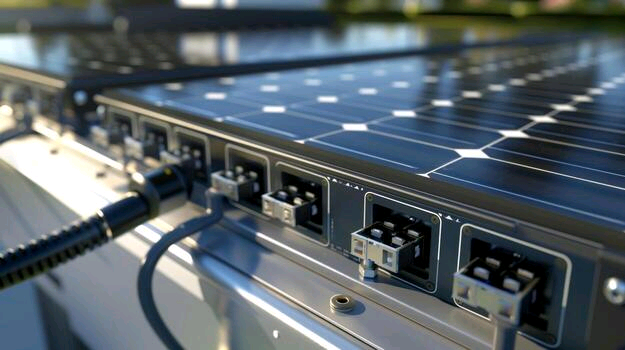
Egypt has started sending electricity from a new 600 MWh battery energy storage system linked to a 1,000 MW solar power plant in Benban into the national grid, marking a major step in making renewable electricity available even when the sun is not shining.
The project has entered phased power dispatch through the Egyptian Electricity Transmission Company, giving the country a stronger electricity network while supporting its plan to rely less on fossil fuels. The project also puts Egypt close to operating Africa's largest combined solar and battery power facility.
The start of electricity delivery is important because battery storage solves one of the biggest challenges facing solar power. Solar panels produce electricity only during daylight hours, but batteries store surplus energy and release it later when demand increases or solar generation drops. This allows the grid to receive cleaner electricity over a longer period and reduces pressure on conventional power stations.
The project also includes a new 500 kV substation, built to move large amounts of renewable electricity from Benban into Egypt's transmission network. The substation strengthens the link between the solar facility and homes, businesses and industries that depend on stable electricity supplies.
Battery storage strengthens solar power
The battery energy storage system has a total capacity of 600 MWh. It works alongside the 1,000 MW solar photovoltaic plant, making it possible to save electricity produced during periods of strong sunshine instead of wasting it.
When electricity demand rises later in the day or solar production falls because of weather or nightfall, the stored energy can be released into the grid. This helps maintain a more stable electricity supply and reduces sudden changes in power generation.
The phased dispatch process allows electricity from the project to enter the national grid gradually while operators monitor performance and ensure that all parts of the system work together efficiently.
The battery system also gives grid operators greater flexibility in balancing electricity supply and demand. This is becoming more important as renewable energy contributes a larger share of national electricity generation.
Africa's clean energy race gathers pace
Once all parts of the Benban project are fully operational, it is set to become the largest combined solar photovoltaic and battery energy storage project of its kind on the African continent.
The project supports Egypt's long-term target of increasing renewable energy generation while reducing dependence on conventional fuels. Better energy storage also allows the country to make greater use of electricity produced from renewable sources without sacrificing grid reliability.
Battery storage is becoming an important part of modern electricity systems because it allows renewable energy projects to operate more efficiently. Large-scale batteries help reduce energy waste and improve the value of electricity generated from solar plants.
The Benban project also indicates the increasing use of utility-scale battery storage in Africa. Countries seeking cleaner electricity supplies are investing in systems that can store renewable energy and supply it whenever it is needed.
The project, for Egypt, strengthens one of its biggest renewable energy centres and improves the country's ability to deliver reliable electricity while lowering dependence on fossil fuel generation.
The commissioning of both the battery system and the high-voltage substation gives the project the infrastructure needed to transmit renewable electricity efficiently through the national network.
Related Stories

Sign up for our newsletter.
Get the latest news, expert analysis, and industry insights delivered straight to your inbox. Join thousands of professionals shaping the future of energy.
By submitting my information, I agree to the Privacy Policy and Terms of Service.