Power |Finance
REA Secures N50bn Bank Financing to Expand Renewable Energy Access in Nigeria
REA’s N50bn financing deal with Alpha Morgan Bank and expected $119m JICA support could strengthen funding for mini-grids and renewable energy projects as Nigeria seeks to close its electricity access gap.
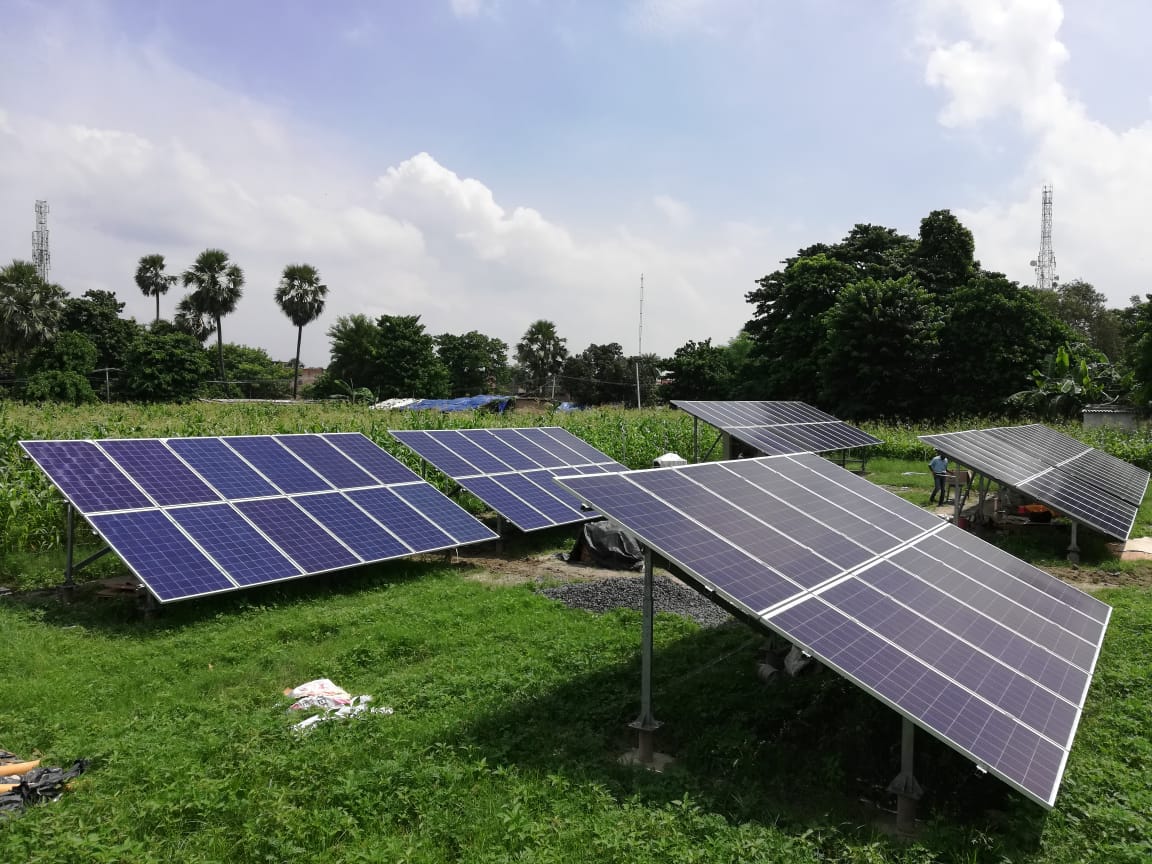
The Rural Electrification Agency (REA) has secured a N50 billion financing commitment from Alpha Morgan Bank to help renewable energy developers fund projects in communities with little or no access to electricity.
The agreement is intended to address one of the biggest hurdles facing REA-backed projects: the gap between when developers need money to build projects and when they receive performance-based grants.
Under the arrangement, developers implementing eligible REA projects can use the financing to cover construction and deployment costs before accessing catalytic support tied to project delivery.
The partnership comes as Nigeria faces a widening gap between electricity demand and the pace at which new generation and access infrastructure are being developed. REA Managing Director Abba Aliyu said the country could require about $23 billion in investment to tackle its electricity access and reliability challenges, compared with less than $2.5 billion currently available.
He added that the financing gap made greater participation from commercial banks and other private investors necessary.
“What is required to address the electricity challenge in Nigeria and to enhance reliability of supplies is about $23 billion. And what we have currently is less than $2.5 billion.” He Quoted.
Aliyu stated that electricity demand would continue to rise as power becomes increasingly important to transport, agriculture, healthcare, education, digital services and artificial intelligence.
JICA financing to support mini-grids
The REA chief also disclosed that Nigeria is expecting $119 million in additional financing from the Japan International Cooperation Agency (JICA).
The funds are expected to support both interconnected and isolated mini-grid projects, expanding the role of decentralised renewable energy in communities that remain beyond the reach of reliable grid supply.
Aliyu noted that solar power would remain central to that expansion because of falling technology costs and improvements in battery storage.
The agency is also working on the Renewable Energy Asset Management Company (RAMCO), which will create another avenue for financing and managing renewable energy assets.
Bank targets rural businesses and services
Alpha Morgan Bank said its decision to enter the partnership was driven by the lack of financing structures suited to the power sector.
Managing Director Ade Buraimo, represented at the event by Executive Director Doyin Anyaehie, revealed that the bank viewed the electricity challenge not simply as a generation problem but as an economic and social issue.
He pointed to rural businesses that cannot operate efficiently, health facilities that struggle to preserve medicines and schools where unreliable electricity affects learning.
The bank assured that it is prepared to structure financing for viable renewable energy projects and consider ways of reducing financing costs where necessary.
The N50 billion facility could support more than electricity generation. REA expects the expansion of mini-grids to create opportunities for businesses supplying equipment and services around the projects, including fintech firms, energy service companies and local manufacturers.
Developers are also using mini-grid infrastructure to support productive activities in rural communities, including equipment for grain processing, drying and welding.
The immediate challenge for Nigeria, is turning financing commitments into completed projects that deliver reliable electricity. The scale of the financing gap means commercial lenders will need to work alongside development-finance institutions and government programmes if renewable energy is to reach more underserved communities.
Related Stories
Sign up for our newsletter.
Get the latest news, expert analysis, and industry insights delivered straight to your inbox. Join thousands of professionals shaping the future of energy.
By submitting my information, I agree to the Privacy Policy and Terms of Service.