Power
Nigeria: Grid Output Crashes to 1,132MW, Discos Cut Supply
Several major power plants recorded zero generation as distribution companies began rationing electricity to customers.
Electricity distribution companies across Nigeria began cutting supply to customers Sunday after power generation on the national grid crashed to 1,132.02 megawatts at 8:30pm, leaving only 10 generating companies supplying electricity to the system.
The sharp fall, shown on the Nigerian Independent System Operator’s grid performance dashboard, forced Discos to ration the limited electricity available to them and pointed to a partial collapse of the national grid.
Eko Electricity Distribution Company confirmed the disruption in a notice to customers, saying it had begun load shedding because of low power allocation from the grid.
“We are experiencing load shedding across our network. This is due to low allocation from the grid. Please bear with us,” the company said.
The disturbance is the first under the new Minister of Power, Joseph Tegbe. NISO and other power sector authorities had not given a reason for the sharp fall in generation as of the time the report was filed.
Major plants produce nothing
The scale of the disruption became clearer as several major power plants recorded zero output when generation fell sharply.
Egbin, Geregu, Geregu NIPP, Kainji, Delta, Alaoji NIPP, Ihovbor NIPP, Okpai, Shiroro, Taopex, Trans Afam Power and Zungeru were all producing no electricity at the time of the 8:30pm reading.
Before recovering to 1,132.02MW, generation had dropped as low as 700MW. The system later improved to 1,793.79MW by 9pm as supply was being restored towards the more than 4,000MW recorded earlier in the day.
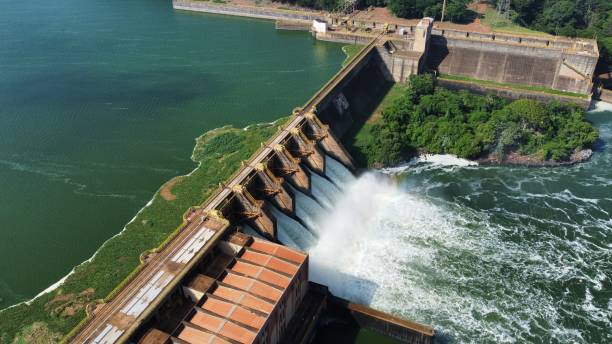
Jebba Hydroelectric Power Plant produced the largest share of electricity at 483MW.
Omotosho generated 162.80MW, while Olorunsogo supplied 115MW. Paras Energy contributed 80.10MW and Afam III Fast Power generated 76.10MW.
Other plants still supplying electricity included Dadinkowa with 37.82MW, Omoku with 34.70MW and Sapele Steam with 24.80MW.
With fewer generating companies feeding electricity into the grid, the amount available for transmission fell sharply. The shortage then reached distribution companies, which had to reduce the volume supplied to homes and businesses.
Supply pressure spreads to customers
Load shedding is a system used by distribution companies to share limited electricity among different areas when the available supply cannot meet demand.
The situation has again exposed the instability of Nigeria’s electricity system, which has suffered repeated disturbances and grid collapses in recent years.
Nigeria depends heavily on gas-fired power plants for electricity generation. The transmission network also faces capacity and reliability problems.
Previous assessments identified ageing infrastructure, vandalism and inadequate gas supply among factors that had contributed to disruptions in electricity supply.
Sunday disturbance, for customers, meant less electricity from the national grid as Discos received reduced allocations.
The recovery recorded later in the evening raised generation from its earlier low point, but output was still far below the more than 4,000MW available earlier in the day.
Power consumers now await an official explanation for why generation dropped so sharply and whether further disruptions will occur as the system is restored.
Related Stories
Sign up for our newsletter.
Get the latest news, expert analysis, and industry insights delivered straight to your inbox. Join thousands of professionals shaping the future of energy.
By submitting my information, I agree to the Privacy Policy and Terms of Service.