Power
Ghana Eyes Nigeria Power Exports in Bid to Become West Africa’s Energy Hub
Ghana’s push to supply Nigeria forms part of a wider strategy to expand regional electricity trade, strengthen transmission links and build a generation mix capable of supporting industrial growth
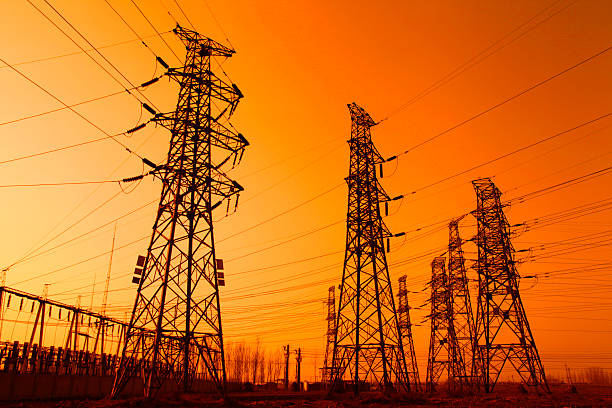
Ghana is looking to expand its electricity exports to Nigeria as the government seeks to position the country as a major power supplier in West Africa.
Energy and Green Transition Minister John Abdulai Jinapor said Ghana wants to develop enough generation and transmission capacity to serve its own economy while supplying electricity to neighbouring countries.
Ghana already exports electricity to Togo, Benin, Côte d’Ivoire and Burkina Faso through cross-border connections operated by the Ghana Grid Company (GRIDCo). Adding Nigeria would give the country access to one of the region's largest electricity markets.
Jinapor added that the ambition forms part of Ghana's broader plan to become an energy hub for West Africa. He made the remarks at a public event on August 21, 2026.
“If we can achieve this, Ghana can become an energy hub for the whole of the West African region in the shortest possible time,” Jinapor said.
Nigeria presents a sizeable opportunity because of its large population and persistent electricity supply constraints. However, Ghana would need additional transmission infrastructure to support a major increase in cross-border electricity flows.
The proposal also comes as Ghana reviews how it can expand and diversify its generation base. The government is pursuing a mix of natural gas, renewable energy and nuclear power, with the aim of providing more dependable electricity for households, businesses and industry.
Gas remains an important part of the near-term strategy because Ghana has been increasing domestic gas availability for power generation. Renewable projects are also being developed, while the government views nuclear power as a potential source of reliable large-scale generation over the longer term.
Power supply tied to 24-Hour Economy
The government's electricity plans are closely linked to President John Dramani Mahama's 24-Hour Economy programme, which seeks to encourage businesses and industries to operate for longer hours and expand production.
Jinapor said achieving that goal would require a power system capable of supplying electricity consistently rather than simply adding generation capacity without the transmission infrastructure needed to deliver it.
That makes regional electricity trade part of a wider infrastructure strategy. Ghana would need to maintain sufficient reserves for domestic consumers while developing generation and transmission capacity that can support exports when surplus electricity is available.
Additional electricity imports from Ghana could provide another source of supply for Nigeria, as it works to address constraints across its own generation and transmission systems.
Successful expansion into regional markets could create a new revenue stream for Ghana, while strengthening its position in the West African electricity market. The scale of that opportunity, however, will depend on investment in generation, transmission and cross-border infrastructure, as well as the availability of competitively priced power.
Related Stories
Sign up for our newsletter.
Get the latest news, expert analysis, and industry insights delivered straight to your inbox. Join thousands of professionals shaping the future of energy.
By submitting my information, I agree to the Privacy Policy and Terms of Service.