Power
Congo Turns to Inga Site to Fix Power Grid, Deliver Electricity
Only about 21 per cent of Congolese people have electricity, even as the country holds one of the world’s biggest hydropower opportunities.
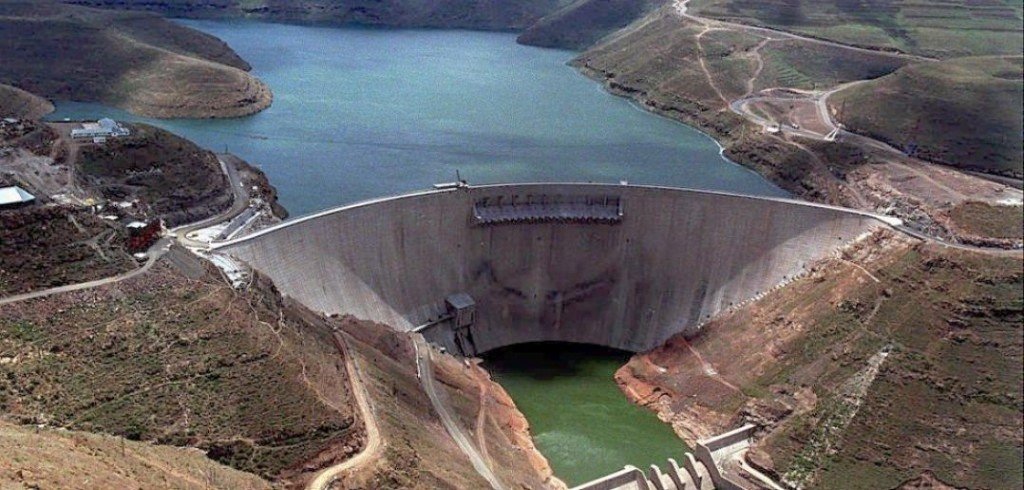
The Democratic Republic of Congo is looking to its vast hydropower resources to close a huge electricity gap, with the National Energy Compact aiming to raise access from about 21 per cent of the population to 62 per cent by 2030.
The plan could bring electricity to about 82 million people in a country of roughly 100 million, using a power system built around new generation and the transmission and distribution networks needed to deliver electricity to homes, businesses and industries.
The challenge, for DRC, is not simply producing more electricity. Power stations cannot transform the economy if the grid cannot carry electricity to the people and businesses that need it.
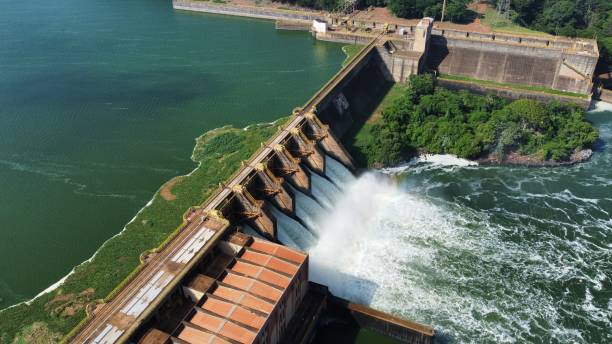
The country’s biggest opportunity lies in the Congo River and its tributaries. The Inga site alone has an estimated potential of about 42,000 megawatts, making it one of the largest hydropower opportunities in the world.
Yet the gap between potential and supply is striking. Nearly four out of every five Congolese people still live without electricity.
That shortage affects households, schools, clinics, farms and businesses. It also limits the country’s plan to process more of its copper, cobalt and other minerals at home.
The DRC is the world’s leading cobalt producer and holds large copper deposits, but much of the higher-value processing and manufacturing takes place outside the country. Factories and processing plants need dependable electricity, which places the national grid at the heart of the country’s industrial ambitions.
Power must reach users
The planned expansion of electricity access will depend on more than large dams.
Transmission lines must carry power from generating stations, while distribution networks must take it into towns, villages, factories and homes. Without these systems, even large amounts of available electricity can remain far from the people who need it.
This is particularly important for the Inga complex.
The proposed Inga 3 project could generate between two and 11 gigawatts, depending on its final design. Its eventual value, however, will depend on how much electricity can be delivered through functioning networks within the DRC and to regional markets.
The country already participates in the Southern African Power Pool. Electricity from Inga has historically been supplied to countries including South Africa and Zimbabwe.
The World Bank has also identified better transmission connections between Inga, Zambia and the southern African market as strategically important.
These regional lines could allow the DRC to sell electricity across southern, central and eastern African power systems. But such trade requires finance, transmission infrastructure, credible contracts, common regulations and political confidence among participating countries.
The grid challenge is therefore both national and regional.
Inside the DRC, more electricity access could support homes and public services. Reliable supply could also support mines, smelters, factories and other industries.
Outside its borders, interconnected systems could create a larger market for Congolese hydropower.
Industry depends on reliable supply
Congo’s mineral wealth gives the power question even greater importance.
The country accounted for about 75 per cent of global cobalt production in 2024 and held roughly 55 per cent of global cobalt reserves, based on figures from the US Geological Survey cited in the data.
It is also a leading producer of tantalum and ranks among major producers of copper, diamonds and tin.
These minerals are used in energy, electronics, telecommunications, defence and manufacturing.
But extracting minerals is not the same as building an industrial economy. Processing copper, producing battery materials and manufacturing electrical equipment all require dependable electricity.
A mine or factory cannot operate on hydropower potential alone.
The government’s energy plans therefore sit alongside a wider ambition to create more domestic value from the country’s natural resources. The success of that ambition will depend heavily on whether the power grid can supply industries at a reliable and affordable cost.
Development finance institutions are already backing parts of the energy agenda.
The African Development Bank had 27 active operations in the DRC worth about $1.45 billion as of September 2023. The portfolio covered transport, information and communications technology, energy, water and sanitation, and agriculture.
Energy financing cited in the data includes $22.4 million in parallel African Development Bank support alongside $73.1 million from the World Bank, approved in 2014 for Inga-related technical assistance.
In December 2024, the African Development Bank was appointed mandated lead arranger for the $340 million Moyi Power Metro-Grids project.
The project is intended to provide cleaner and more reliable electricity to more than one million people in three cities.
These projects show the scale of the task facing the country. New generation is important, but the electricity system also needs lines, substations and local networks capable of delivering power where it is needed.
The DRC’s hydropower wealth has long been obvious. The harder task is building a grid that turns that natural advantage into daily electricity.
Related Stories
Sign up for our newsletter.
Get the latest news, expert analysis, and industry insights delivered straight to your inbox. Join thousands of professionals shaping the future of energy.
By submitting my information, I agree to the Privacy Policy and Terms of Service.