Renewables |Power
Nigeria Courts Capital for Solar and Storage Growth
Nigeria's renewable energy Industry is seeking fresh investment to expand solar and other clean energy projects, improve electricity access and reduce reliance on fossil fuels
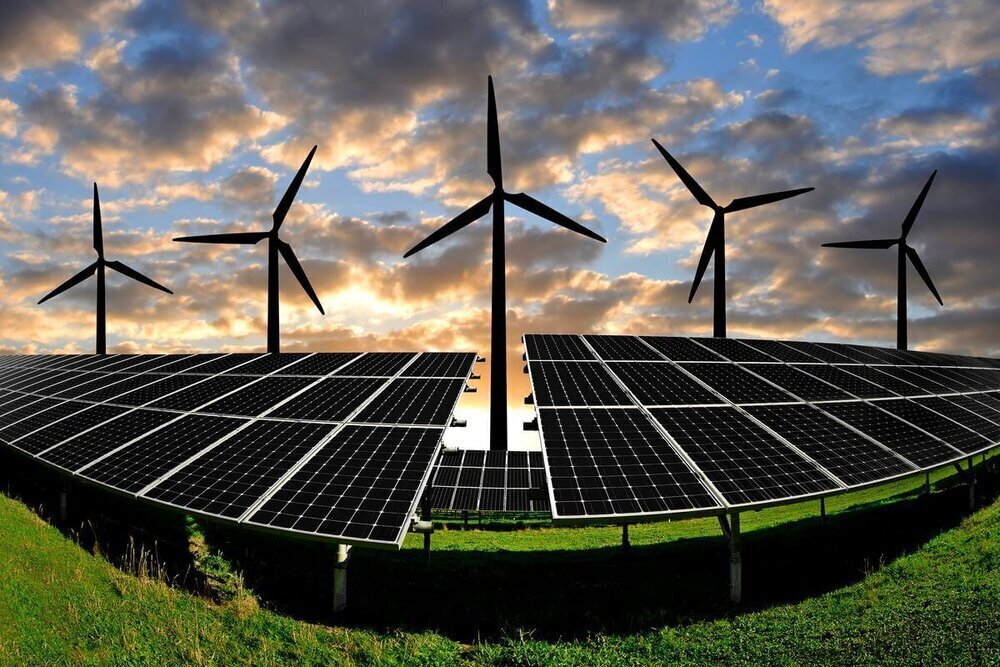
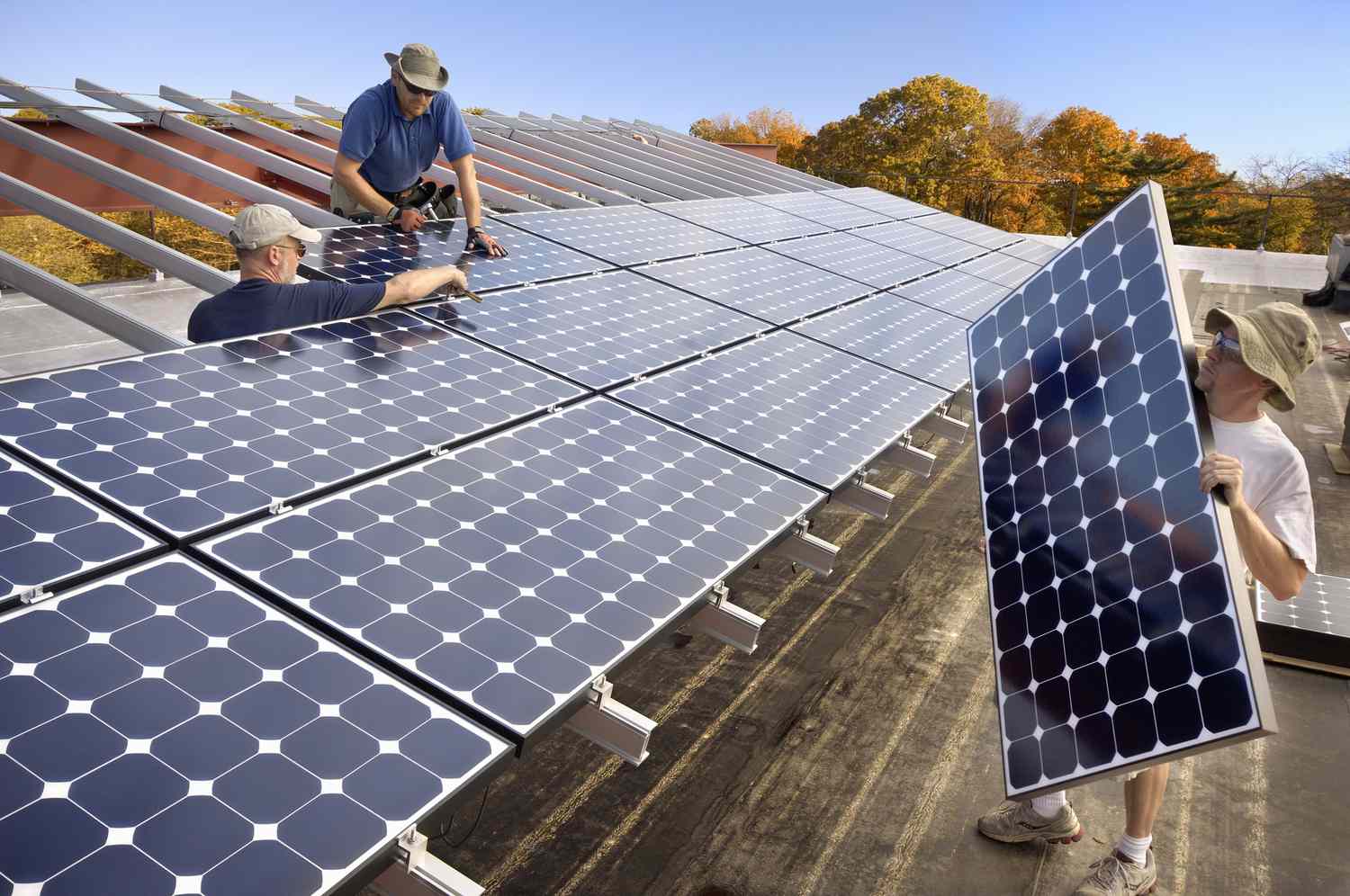
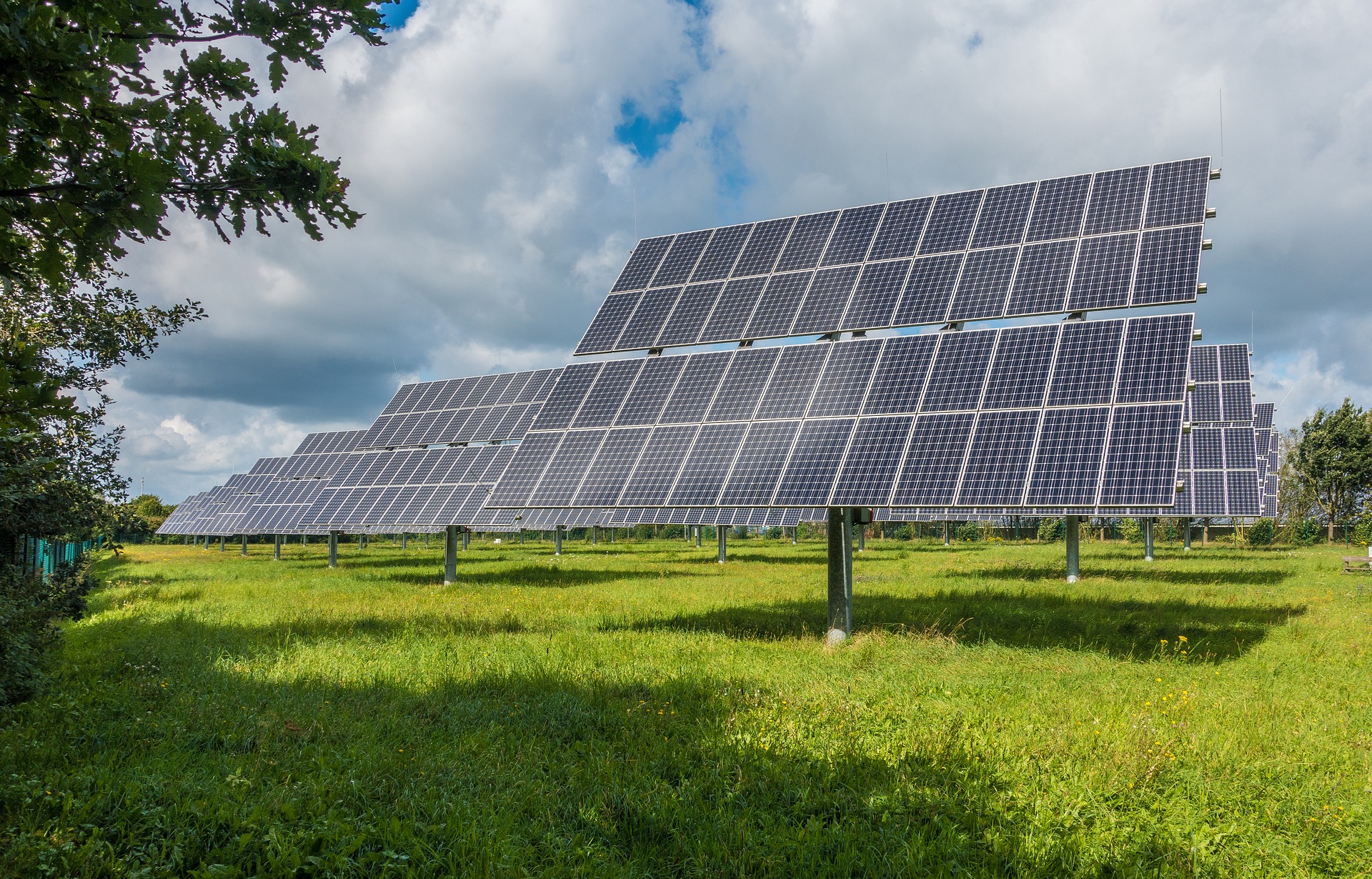
Nigeria’s renewable energy industry is stepping up efforts to attract new investment as developers, government agencies and international technology firms seek to expand clean electricity projects that can improve power supply and reduce the country’s dependence on fossil fuels.
The push took centre stage at the maiden Solar & Storage Live Nigeria Conference, where the Renewable Energy Association of Nigeria (REAN) urged stronger public and private sector collaboration to unlock more investment in solar, battery storage and other renewable energy technologies.
REAN President and Chief Executive Officer of A4&T Power Solutions, Ayo Ademilua, said Nigeria has abundant solar, hydro, wind and biomass resources that remain largely underutilised despite growing electricity demand.
He explained that the conference was organised to connect Nigerian renewable energy companies with global manufacturers, financiers and technology providers capable of supporting the sector's next phase of growth.
Ademilua also challenged the belief that renewable energy is too expensive, explaining that improvements in technology and increased global production have steadily reduced the cost of solar equipment over the years, making clean energy more competitive.
He added that renewable energy should be viewed as a long-term investment because, unlike fossil fuels, it does not require continuous spending on fuel once installed.
The conference brought together policymakers, investors, electricity regulators, developers and manufacturers to discuss ways of expanding renewable energy deployment and improving access to electricity across Nigeria.
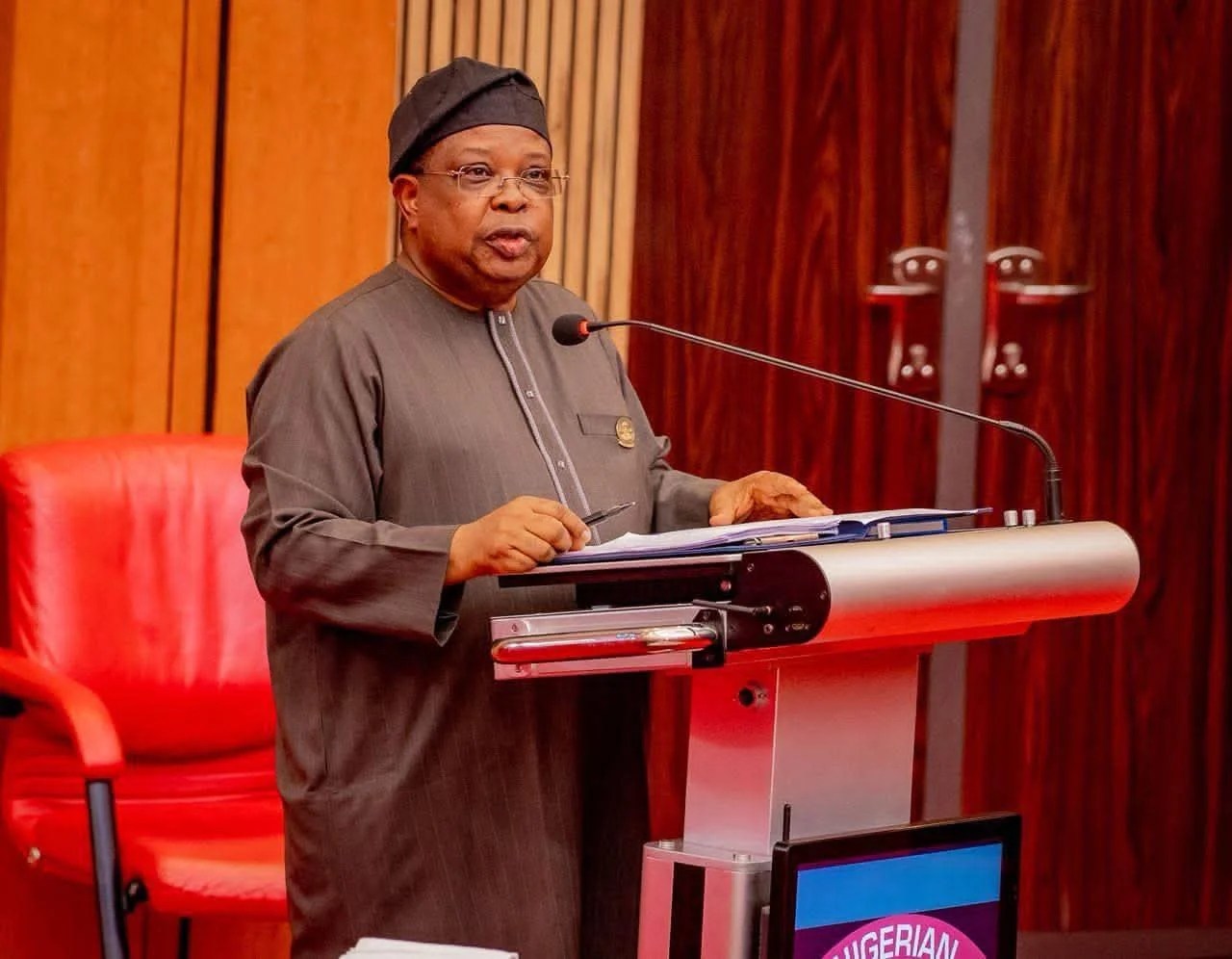
The Managing Director of the Rural Electrification Agency (REA), Abba Aliyu, said the agency is using artificial intelligence to improve the planning and delivery of renewable energy projects.
According to him, more than 750,000 communities have already been mapped to determine the most suitable electricity solution for each location, whether through mini-grids, solar home systems or grid expansion.
He added that AI-powered monitoring systems and smart meters are also being introduced to improve the performance of mini-grids, while programmes such as the Distributed Access through Renewable Energy Scale-Up (DARES) initiative and the upcoming Desert to Power programme are expected to attract more private investment into the sector.
Nigeria turns to private capital to expand clean energy
Nigeria has increasingly relied on private investment to expand renewable energy as millions of homes and businesses continue to face unreliable electricity supply.
In recent years, the Federal Government, through the Rural Electrification Agency and development partners, has rolled out several initiatives, including mini-grid projects, solar home systems and the DARES programme to improve electricity access, particularly in underserved communities. Despite these efforts, the pace of deployment remains below the country's growing energy needs.
The renewed investment drive comes at a time when Nigeria is looking beyond grid expansion to tackle its electricity challenges.
Greater investment in renewable energy could speed up the deployment of mini-grids, solar home systems and battery storage, helping businesses and households reduce reliance on expensive diesel and petrol generators. It could also improve electricity access in rural communities, strengthen energy security, create jobs across the clean energy value chain and support Nigeria's transition to a more diversified and resilient power sector.
Related Stories
Sign up for our newsletter.
Get the latest news, expert analysis, and industry insights delivered straight to your inbox. Join thousands of professionals shaping the future of energy.
By submitting my information, I agree to the Privacy Policy and Terms of Service.