Oil & Gas
Ruto Backs East Africa Refinery Plan Despite Resistance
Ruto’s backing for the refinery plan could boost East Africa’s fuel security, support industrial growth and reduce reliance on imported petroleum products.
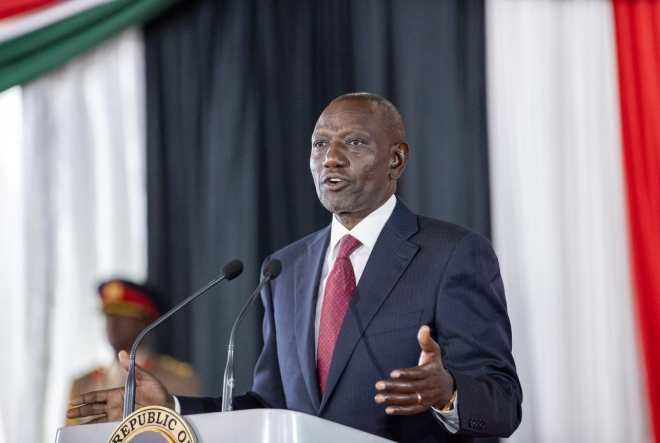
Kenyan President William Ruto has reaffirmed support for a proposed regional oil refinery with Nigerian businessman Aliko Dangote, insisting the project will move ahead despite resistance from fuel import interests.
Speaking at the Annual National Prayer Breakfast on Thursday, Ruto linked the pushback to entrenched business interests that benefit from the current system of importing refined fuel into the region. He argued that the refinery project is part of a broader effort to reshape Kenya’s and East Africa’s energy future.
He stressed that the region must be prepared to make difficult decisions if it wants long-term transformation. According to him, temporary discomfort should not stand in the way of investments that could strengthen fuel security, reduce import dependence and create a more resilient energy market.
Ruto disclosed that he had already discussed the project with Dangote and that the conversation had also extended to regional leaders, including Ugandan President Yoweri Museveni. He added that Kenya had dispatched a technical team several months earlier to examine refinery models and energy infrastructure opportunities across Africa before settling on the current direction.
The president’s comments follow Dangote’s public offer to build a 650,000-barrels-per-day refinery in East Africa, modelled after his large-scale refinery in Lagos, if the relevant governments provide support. Dangote had said the facility could be delivered within four to five years.
Dangote has long argued that Africa must move away from exporting raw materials and importing finished products, a pattern he believes weakens the continent’s industrial growth and job creation. Ruto has echoed that position, backing a shift towards local refining and greater economic self-sufficiency.
The proposed refinery is expected to form part of wider regional consultations involving Kenya, Uganda and other neighbours as governments weigh the benefits of shared energy infrastructure, lower fuel vulnerability and stronger supply stability.
If approved and implemented, the project could become one of the most significant industrial collaborations in East Africa, with implications not only for fuel availability but also for broader efforts to deepen regional integration and expand domestic value addition.
Related Stories
Sign up for our newsletter.
Get the latest news, expert analysis, and industry insights delivered straight to your inbox. Join thousands of professionals shaping the future of energy.
By submitting my information, I agree to the Privacy Policy and Terms of Service.