Oil & Gas
Togo Raises Fuel Prices as Subsidies Come under Pressure
Togo’s fuel price adjustment reflects rising import costs and tighter subsidy space, with wider effects likely for inflation and living costs.
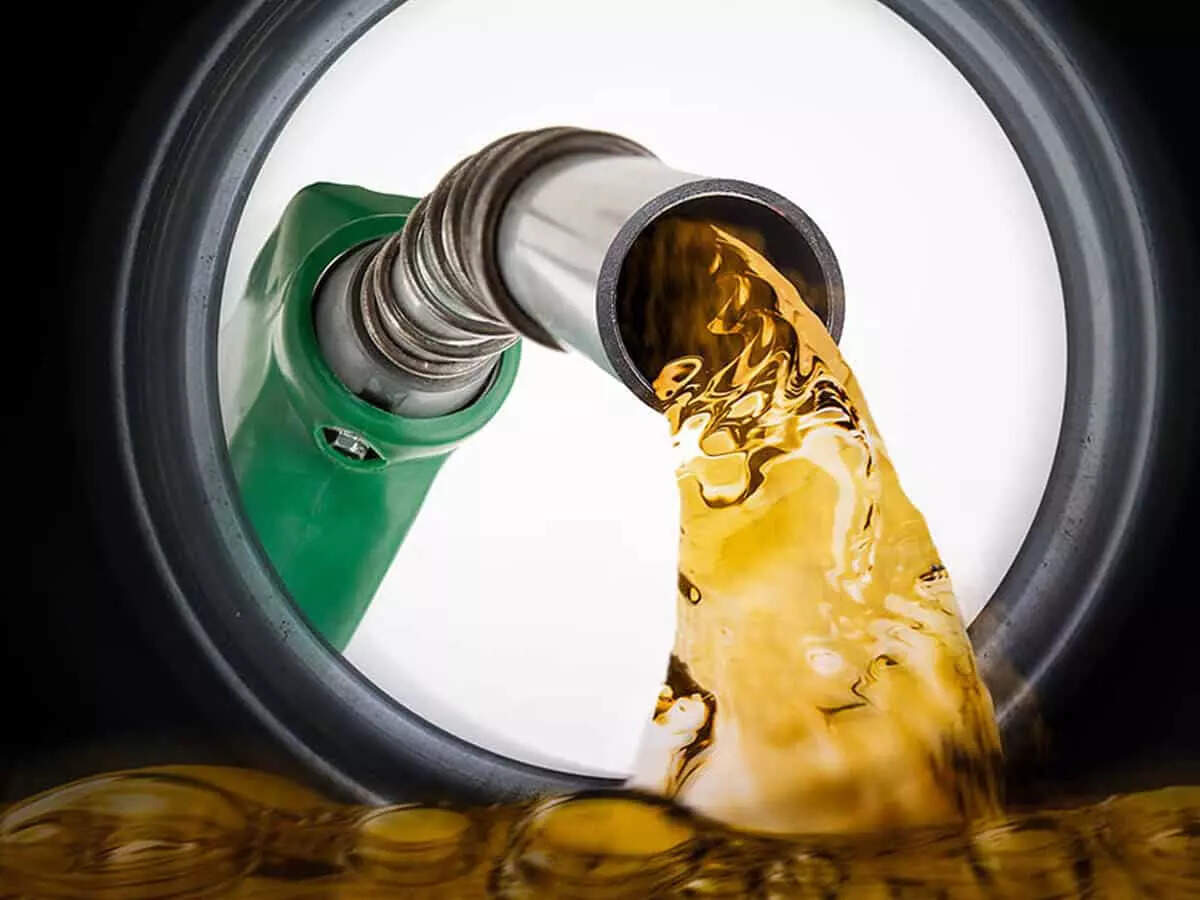
Togo has raised retail fuel prices for the first time since March 2025, with gasoline and diesel both moving higher after the government came under growing pressure from rising global oil prices and tighter public finances.
Under the new rates that took effect on 27 May 2026, unleaded gasoline now sells for 725 CFA francs a litre, up from 680 CFA francs, while diesel has risen to 750 CFA francs from 695 CFA francs. Kerosene has been increased to 1,040 CFA francs per litre and two-stroke fuel to 811 CFA francs.
The price adjustment was set out in a joint ministerial order signed by the Minister of Economy and Strategic Affairs, Badanam Patoki, Finance and Budget Minister Georges Essowè Barcola, and Junior Minister for Energy Robert Koffi Messan Eklo. The order replaces the pricing framework introduced on 14 March 2025, with enforcement assigned to the Fuel Price Fluctuation Monitoring Committee.
Since late February, when U.S.-Israeli strikes against Iran began and the Strait of Hormuz was blocked, Brent crude has climbed from about $70 a barrel to a peak of $126 in March before settling near $104 at the end of May.
Togo had remained one of the last countries in West Africa to hold pump prices steady, even as several neighbours had already made adjustments. Benin raised its fuel prices on 1 May, while Côte d’Ivoire also lifted prices under its automatic pricing system.
The latest increase also comes as Lomé trims its fuel subsidy bill. In the 2026 finance law, allocations for fuel support were cut by 40 per cent, from 25 billion CFA francs to 14.2 billion CFA francs, in line with the country’s commitments under its International Monetary Fund programme.
That programme targets a public deficit of 3 per cent of GDP in 2026, leaving limited room for the government to keep absorbing the gap between international oil prices and regulated domestic rates.
The price rise is expected to feed into transport costs and, in turn, food prices, especially as goods move from farming areas to urban markets. It also comes at a time when fertiliser prices are climbing, raising production costs for farmers and increasing pressure on household budgets already strained by recent inflation.
Related Stories



Sign up for our newsletter.
Get the latest news, expert analysis, and industry insights delivered straight to your inbox. Join thousands of professionals shaping the future of energy.
By submitting my information, I agree to the Privacy Policy and Terms of Service.