Renewables
South Africa: York Timber Puts 90% of Sawmill Power on Renewables
A green power deal puts the spotlight on a bigger test for South Africa’s timber industry: cutting mill emissions without losing sight of water, biodiversity and plantation management.
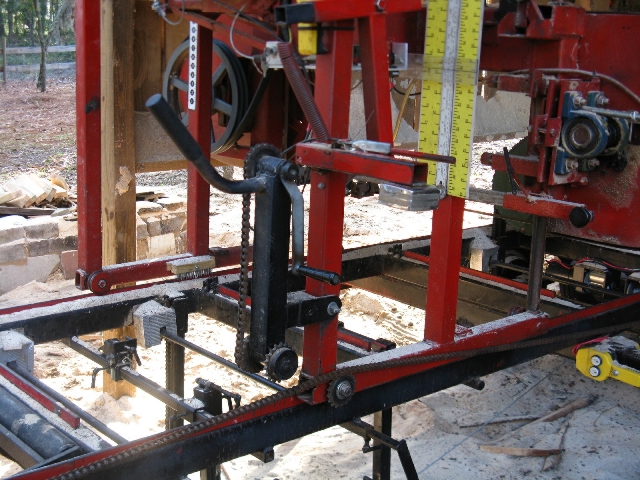
York Timber Holdings just locked in a 10-year electricity deal in South Africa. About 90% of the power at its Jessievale sawmill will now come from renewable sources. That means less dependence on coal-powered grid electricity, and some "breathing room" against rising tariffs and future carbon costs.
The agreement with electricity trader Discovery Green was signed in June 2026. York Timber will continue receiving electricity through the existing network, but Discovery Green will arrange for an equivalent amount of solar and wind power to enter South Africa’s national grid.
The company already operates a 700-kilowatt solar farm at the mill.
Linmari Pelser, York Timber’s group risk and compliance officer, said the contract gives the company access to renewable electricity on a large scale over a long period.
“A 10-year agreement provides York Timbers access to renewable electricity at scale, while improving long-term certainty regarding electricity costs,” Pelser said.
Ten-year cover against power costs
The agreement comes as South Africa prepares to remove carbon tax allowances that have allowed most polluters to pay only part of their assessed costs.
South Africa introduced its Carbon Tax in 2019. The tax places a charge on greenhouse gas emissions.
The allowances are scheduled to be lifted this year.
Pelser said the agreement will cut greenhouse gas emissions connected with the sawmill’s electricity use. She said it will also reduce the company’s exposure to electricity tariff increases and possible carbon-related charges.
The arrangement is known as wheeling.
Under wheeling, a company receives electricity through the same network it already uses. An equivalent amount of power from renewable producers enters the grid elsewhere.
For York Timber, Discovery Green will coordinate electricity from solar and wind producers located across South Africa.
Discovery Green is the renewable energy business of one of South Africa’s largest health insurance schemes. It works with commercial electricity users seeking more efficient energy use and cleaner power supplies.
Dan Ginsberg, Discovery Green’s head of actuarial and research and development, said York Timber joins more than 50 companies buying electricity through the business.
“Long-term power purchase agreements with large energy users provide the demand certainty required to unlock investments in new energy infrastructure and are, therefore, critical enablers of South Africa’s energy transition,” Ginsberg said.
For large electricity users, such agreements can secure a known source of supply over several years.
The contracts can also give power producers confidence that there will be customers for the electricity they generate.
Paxie Chirwa, a forestry specialist at the University of Pretoria, said York Timber’s agreement would reduce emissions connected with electricity purchased from the grid.
“The agreement is a significant step forward since it reduces York Timber’s dependence on coal-based electricity supplied via the national electricity grid and therefore lowers its Scope 2 greenhouse gas emissions,” Chirwa said.
Scope 2 emissions are greenhouse gases connected with electricity bought and used by a company.
Chirwa said increased renewable electricity use in timber processing was environmentally and economically desirable as South Africa works towards a low-carbon economy.
He said sawmills could reduce emissions further by using waste materials produced during timber processing.
Sawdust and bark could serve as fuel for biomass energy production, he said.
Power deal leaves plantation questions
The electricity agreement covers the power used to process timber. It does not address every environmental issue connected with the timber industry.
Chirwa said renewable electricity was only one part of sustainability in commercial forestry.
“Renewable energy is just one element of sustainability. Responsible management of plantations, conservation of biodiversity and water stewardship are just as important,” he said.
He said the agreement improves the sustainability of timber processing but does not directly deal with how plantations are managed.
“As far as the broader issue of forestry is concerned, the agreement primarily enhances the sustainability of timber processing and not plantation management,” Chirwa said.
The industry’s environmental impact also depends on how companies manage plantations, harvest trees and transport them.
York Timber said it addresses sustainable management, water protection and waste reduction through Forest Stewardship Council certification standards.
The company has just under 90,000 hectares, or 222,000 acres, of timber plantations covered by the standards.
Pelser said this includes conservation areas, buffers along watercourses and sustainable harvesting plans.
The buffers are strips of protected land beside rivers and streams.
Chirwa said South Africa’s timber industry is close to international best practice in several areas.
More than 90 per cent of the country’s commercial plantations have Forest Stewardship Council certification.
He said certification measures have helped preserve biodiversity and maintain natural services within plantation landscapes.
But Chirwa said the industry could improve monitoring of fertiliser use, nutrient runoff and water quality downstream from plantations.
“There is room for improvement in terms of monitoring the use of fertilizers, nutrient runoff, water quality downstream from plantations as well as improving the social side of forestry activities,” he said.
He also said timber companies should publish independently verified information on their emissions, biodiversity protection and ecosystem restoration.
York Timber’s 10-year electricity contract therefore cuts one major source of emissions from the Jessievale sawmill.
About 90 per cent of the mill’s electricity use will come from renewable sources under the agreement.
The deal also gives the company a longer view of electricity costs at a time when carbon-related charges could become more significant.
But the company’s wider environmental performance will still depend on how it manages nearly 90,000 hectares of timber plantations. That includes the protection of watercourses, conservation areas, harvesting practices and the monitoring of environmental effects from plantation operations.
Related Stories


Sign up for our newsletter.
Get the latest news, expert analysis, and industry insights delivered straight to your inbox. Join thousands of professionals shaping the future of energy.
By submitting my information, I agree to the Privacy Policy and Terms of Service.