Renewables
NERSA Registers 804 MW of New Renewable Energy Capacity in Q1
South Africa registered 804 MW of new solar and wind capacity worth R20.18bn in the first quarter, adding to a growing pipeline of private renewable generation.
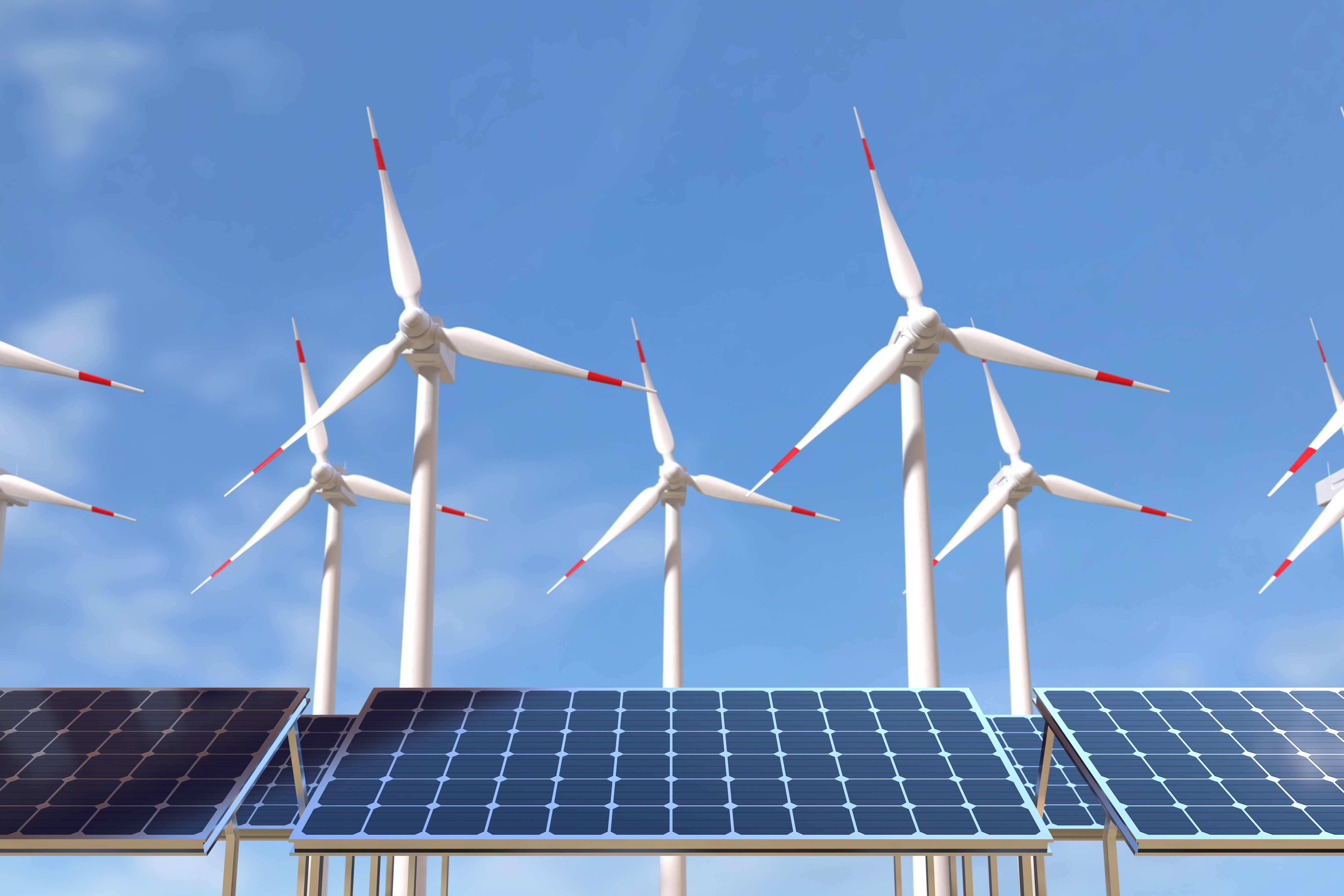
South Africa added 804 MW of registered renewable generation capacity in the first quarter of the 2026/27 financial year, as developers continued to expand solar and wind projects across the country.
The National Energy Regulator of South Africa (NERSA) registered 124 renewable energy facilities between April and June, representing an estimated investment of R20.18 billion.
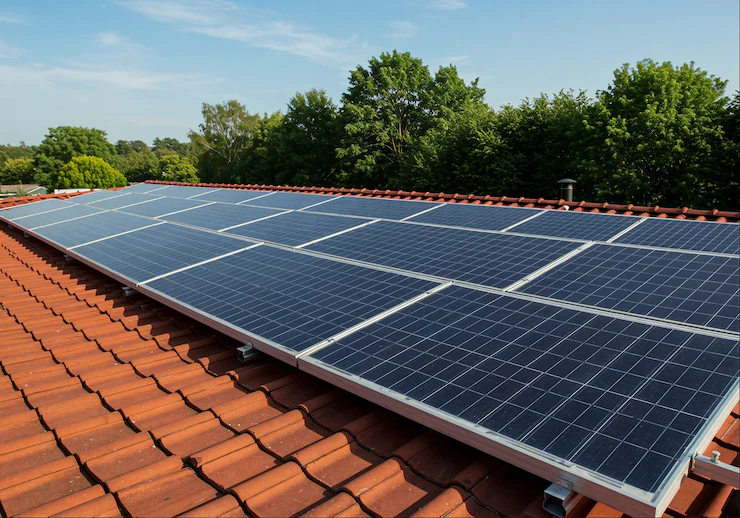
Solar projects accounted for most of the registrations by number, with 122 photovoltaic facilities adding 236 MW. Two wind projects, meanwhile, accounted for 568 MW, making wind the larger contributor to the quarter's new capacity. The projects were spread across all nine provinces.
NERSA said it processed the 124 applications in an average of 10 working days, an improvement from the 11-day average recorded for 111 applications during the first quarter of 2025/26.
The faster processing comes as South Africa seeks to bring more generation onto the electricity system while expanding private-sector participation in power generation.
Of the newly registered facilities, 63 will connect to municipal distribution networks. Together, they represent 47 MW and an estimated investment of R639 million.
The remaining 61 facilities will connect to the Eskom network, accounting for 757 MW and about R19.54 billion of the investment.
The figures show that most of the quarter's new capacity and investment is concentrated in projects using the national utility's transmission and distribution infrastructure.
NERSA added that the average investment cost for the newly registered facilities was about R25,099 per kilowatt.
The aforesaid registrations bring the total number of generation facilities registered under the country's registration regime since 2018 to 2,619. Their combined capacity has reached 20,131 MW, with estimated investment of about R409 billion.
The continued expansion of registered renewable capacity comes as South Africa reshapes its electricity market, with more independent generators entering the system and businesses increasingly seeking alternatives to conventional grid supply.
The growth in solar and wind generation also creates a need for stronger transmission networks, flexible generation and storage to manage variable renewable output for the power system.
NERSA stated that the registration of new facilities supports electricity planning, grid safety and reliability while encouraging investment and expanding the country's generation base.
Related Stories
Sign up for our newsletter.
Get the latest news, expert analysis, and industry insights delivered straight to your inbox. Join thousands of professionals shaping the future of energy.
By submitting my information, I agree to the Privacy Policy and Terms of Service.