Power
Zimbabwe Turns to Regional Power Market to Avert Electricity Shortages
Zimbabwe is using regional electricity purchases to cover supply gaps while pushing ZESA to overhaul its infrastructure, improve efficiency and attract private investment in new generation.
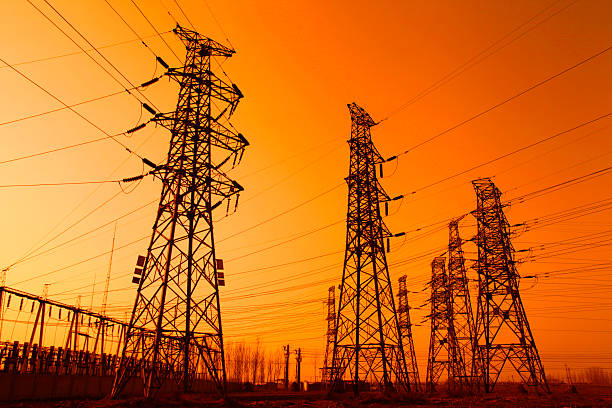
Zimbabwe is turning to the regional electricity market to cover potential supply shortfalls as the government seeks to keep the country’s power system stable and reduce its dependence on ZESA’s domestic generation capacity.
Energy and Power Development Minister July Moyo said Zimbabwe Electricity Supply Authority (ZESA) was using the Southern African Power Pool (SAPP) day-ahead marketvto purchase electricity whenever domestic generation falls below demand.
The arrangement allows Zimbabwe to draw on surplus electricity available elsewhere in the regional market, providing an additional source of supply when local generation is insufficient.
“If there is a shortfall of whatever size, you go in the market in the region, and there are places where there is excess, and that excess can be mopped up on a daily basis by those who have shortages,” Moyo said during a post-Cabinet press briefing.
He noted that the regional market, combined with Zimbabwe's existing electricity tariff structure, was giving ZESA greater flexibility to manage fluctuations in supply and demand.
ZESA faces pressure to fix system weaknesses
Zimbabwe has recently gone through a period without load shedding, with Moyo saying electricity supply had exceeded demand.
“That’s why we have no load shedding, and we want to make sure that this can continue,” he said.
Maintaining that position, however, will require more than short-term purchases from the regional market. The government wants ZESA to address persistent inefficiencies across the electricity value chain, including losses in generation, transmission and distribution.
Cabinet has directed the utility to prepare a detailed investment plan covering the wider power system.
The Zimbabwe Electricity Supply Authority, ZESA, will submit a Strategic Systems Development Plan within 100 days, setting out proposed investments in generation, transmission, distribution and retail services.
The plan is intended to give the government a clearer picture of the infrastructure and investment required to strengthen the electricity system and reduce supply constraints over the longer term.
At the same time, Zimbabwe is looking to bring more private investors into electricity generation.
The Zimbabwe Energy Regulatory Authority (ZERA) is developing a regulatory framework to facilitate the entry of smaller independent power producers into the market.
Moyo said several investors had already expressed interest in participating in the sector.
“The private sector should come and be involved and become mini-ZESAs,” he said, adding that ZERA was working on the regulatory details.
The government's approach combines regional power purchases as a short-term buffer with infrastructure investment and private generation as longer-term solutions.
Cabinet has approved the measures proposed by the Energy Ministry and directed that the electricity reform and restructuring programme be accelerated.
Related Stories
Sign up for our newsletter.
Get the latest news, expert analysis, and industry insights delivered straight to your inbox. Join thousands of professionals shaping the future of energy.
By submitting my information, I agree to the Privacy Policy and Terms of Service.