Power
South Africa Proposes New Electricity Pricing Rules to Ease Cost Burden
South Africa’s proposed electricity pricing overhaul seeks to curb tariff pressures, improve long-term price certainty, protect vulnerable consumers and make the power market more competitive
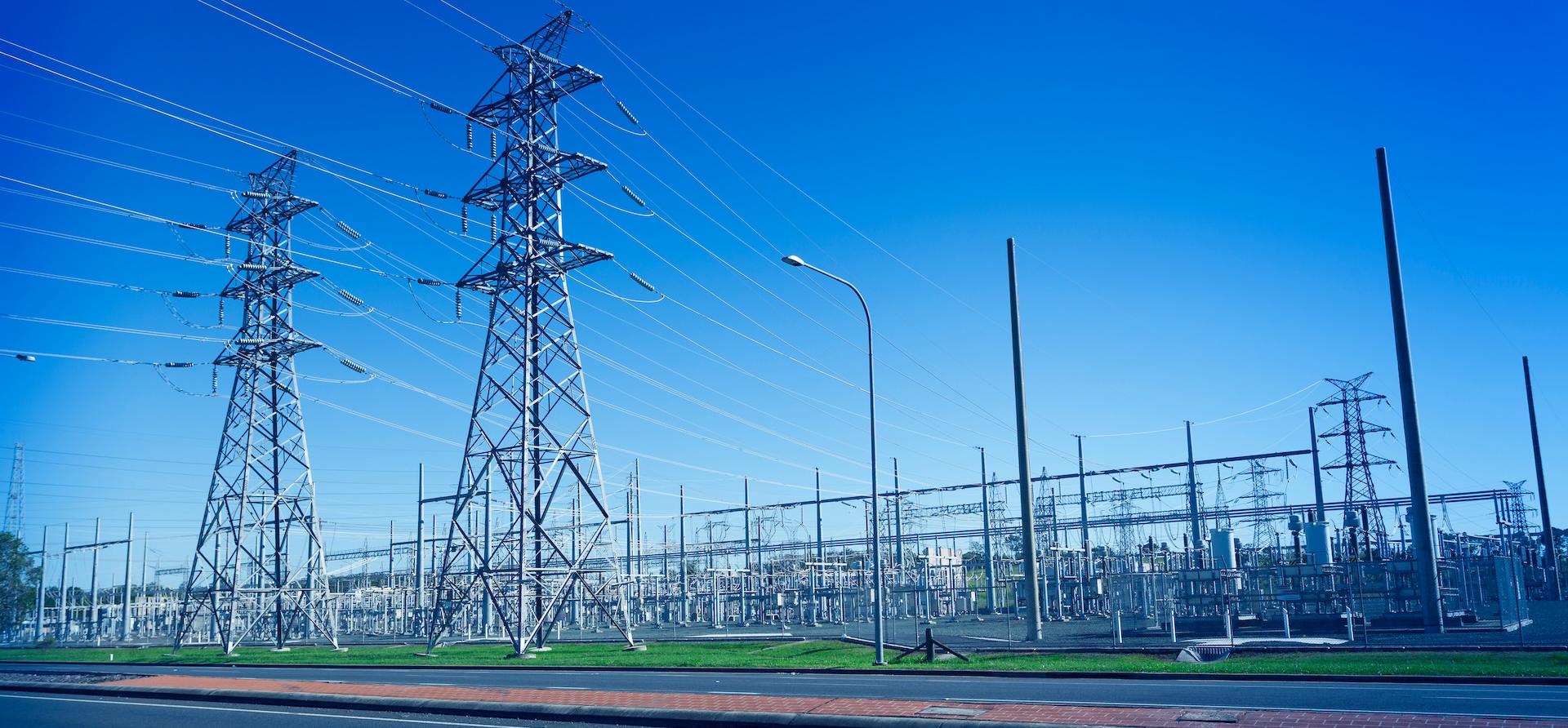
South Africa is moving to overhaul the way electricity prices are determined, with government proposing tighter controls on cost recovery, greater competition and a 10-year pricing outlook as it seeks to ease the burden of electricity costs on households and businesses.
The proposals were contained in the Revised Electricity Pricing Policy, which Cabinet has approved for public comment. The policy updates the framework introduced in 2008 to reflect major changes in the electricity sector, including Eskom’s restructuring, the entry of new power producers and the implementation of the Electricity Regulation Amendment Act, 2024.
Electricity and Energy Minister Kgosientsho Ramokgopa said the scale of tariff increases over the past two decades had made a review necessary.
“Over a period stretching back to 2007, electricity tariffs have increased by about 977%,” Ramokgopa said at a media briefing in Pretoria on Tuesday.
He explained that the revised policy is intended to create a clearer and more predictable pricing framework while ensuring that electricity suppliers recover legitimate costs efficiently and transparently.
Government seeks greater certainty as electricity market opens
A key proposal is for the National Energy Regulator of South Africa (NERSA) to publish a 10-year electricity price forecast.
Ramokgopa said the forecast would give businesses and investors a clearer picture of future electricity costs when deciding whether to commit capital to South Africa.
For heavy industries, where electricity accounts for a substantial share of production costs, the ability to anticipate future tariffs is particularly important when calculating returns on long-term investments.
The policy will establish national principles for electricity pricing and provide a framework for cost-reflective tariffs while seeking to prevent inefficient or hidden costs from being passed on to consumers.
It will guide NERSA, Eskom, municipalities and other participants as the electricity market becomes more competitive.
Government is also moving away from an electricity system dominated by Eskom by allowing generators and customers to enter into bilateral power agreements.
Ramokgopa stated that the emerging arrangements would require clear rules as South Africa moves towards a wholesale electricity market.
The revised policy also seeks to strengthen protection for poor and vulnerable consumers. Government plans to modernise the administration of free basic electricity by creating a national database of eligible households, potentially linking it with Home Affairs and social-grant records.
The aim is to make it easier to identify households that qualify for support and ensure that assistance reaches the intended beneficiaries.
The government also wants to prevent consumers who pay their electricity bills from carrying the cost of municipal non-payment through higher tariffs.
Ramokgopa revealed that between 1% and 2.5% of current electricity tariffs could show Eskom's inability to recover debts owed through municipalities. Under the proposed framework, such costs would no longer be allowed to place an additional burden on paying consumers.
The policy is will strengthen action against electricity theft, illegal connections and poor payment practices.
Government plans to broaden the Negotiated Pricing Agreement mechanism for Electricity-Intensive Industries. The existing framework largely focuses on companies already experiencing financial distress, but the revised approach would also allow support for viable businesses whose growth could advance national economic priorities.
Ramokgopa posited that concessional electricity pricing could be used to help priority industries expand, create jobs and attract investment before they become financially distressed.
The proposed framework seeks to balance several pressures within South Africa's electricity market: keeping tariffs cost-reflective enough to support sustainable electricity supply, preventing inefficient costs from being transferred to consumers, protecting vulnerable households and creating conditions that encourage investment and competition.
The proposals will now go through the public-comment process before the revised policy is finalised.
Related Stories

Sign up for our newsletter.
Get the latest news, expert analysis, and industry insights delivered straight to your inbox. Join thousands of professionals shaping the future of energy.
By submitting my information, I agree to the Privacy Policy and Terms of Service.