Power
US Mediation Offer Puts Ethiopia’s Power Project Back in Focus
Washington is ready to help reopen GERD negotiations, but the dispute centres on a dam Ethiopia built to expand electricity supply.
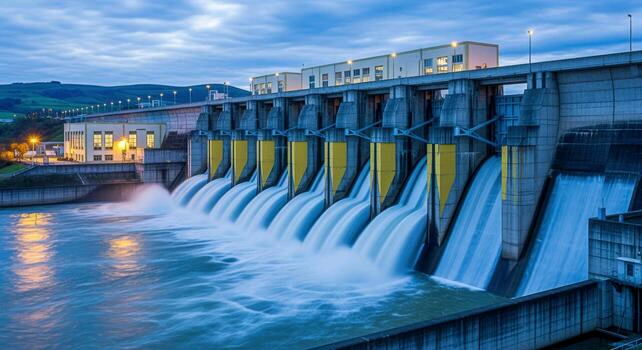
The United States has signalled readiness to return to mediation over Ethiopia’s Grand Ethiopian Renaissance Dam (GERD), reopening diplomatic activity around a project that Addis Ababa built principally to produce more electricity.
Massad Boulos, senior adviser to US President Donald Trump on African affairs, said Washington was prepared to help Egypt, Ethiopia and Sudan resume negotiations and provide technical support on unresolved issues surrounding the dam.
The proposed intervention comes as the GERD occupies two difficult spaces at once: a major source of electricity for Ethiopia and a long-running source of friction with downstream Nile states.
The power project, for Ethiopia, is tied to plans to expand electricity generation and support economic development. For Egypt, the operation of the dam raises questions about downstream water supplies, especially during prolonged drought.
That difference has prevented the three countries from reaching a comprehensive agreement even after several rounds of negotiations involving international mediators.
Power project under dispute
The GERD was constructed on the Blue Nile, the Nile’s main tributary, to expand Ethiopia’s electricity-generating capacity.
Its importance to Ethiopia’s power system is central to Addis Ababa’s position in the dispute. The country views the dam as a national development project capable of producing substantially more electricity and supporting economic activity.
The US offer could therefore reopen discussions around the conditions under which one of Africa’s major hydropower projects operates.
Boulos said the Trump administration wanted Egypt, Ethiopia and Sudan to return to the negotiating table and work towards a comprehensive settlement.
The outstanding issues include the filling and operation of the dam, drought management and the rules that should govern future water infrastructure.
Ethiopia began filling the GERD reservoir without a comprehensive agreement with the downstream countries, a development that intensified the dispute.
Egypt has repeatedly demanded a legally binding arrangement covering the dam’s operation, particularly when water levels are under pressure during lengthy dry periods.
Sudan is also part of the negotiations, although its position has not always been identical to Egypt’s. Khartoum has identified possible benefits from regulated water flows and electricity imports but has also raised issues relating to dam safety and operation.
Cairo raises stakes
The prospect of renewed US mediation comes as Egypt has issued new warnings over Ethiopia’s plans for additional water infrastructure on the Nile and its tributaries.
An Egyptian source cited by the Middle East Monitor on August 16 said Cairo would not permit any country to control the flow of Nile waters to downstream states.
The response was linked to remarks attributed to Ethiopian Water and Energy Minister Habtamu Itefa on plans to construct more dams and expand Ethiopia’s control over water resources.
The Egyptian source accused Ethiopia of taking unilateral action and violating international law, while repeating Cairo’s demand for an arrangement protecting the water interests of Egypt and Sudan.
It said Egypt had “multiple and wide-ranging tools” available to defend its interests but did not state the measures that could be taken.
The issue extends directly to national water supply. Egypt depends on the Nile for the vast majority of its freshwater needs and has maintained that any agreement must protect its established water interests.
Ethiopia has taken a different position, rejecting restrictions it considers inconsistent with its sovereign right to develop its water resources.
Those opposing views have complicated attempts to settle the matter.
The renewed US offer places electricity back within the diplomatic contest surrounding the Nile. Ethiopia wants the GERD to serve its national power needs and economic development, but the dam’s operation is inseparable from the water concerns of Egypt and Sudan.
Any comprehensive agreement would therefore have to address both sides of the project: Ethiopia’s interest in using the Blue Nile for electricity generation and the demands of downstream states over water security.
Previous negotiations have failed to close that gap.
Washington’s readiness to resume mediation offers another opening for the three countries to return to talks, with the future operation of a major electricity project still tied to the unresolved question of how the Nile should be managed among the states that depend on it.
Related Stories
Sign up for our newsletter.
Get the latest news, expert analysis, and industry insights delivered straight to your inbox. Join thousands of professionals shaping the future of energy.
By submitting my information, I agree to the Privacy Policy and Terms of Service.