Renewables
AfDB Approves $110 Million for Ethiopia's First Wind IPP
Ethiopia’s first wind-powered IPP has secured $110 million in AfDB financing as the country seeks to diversify an electricity system exposed to hydropower shortages during periods of drought.
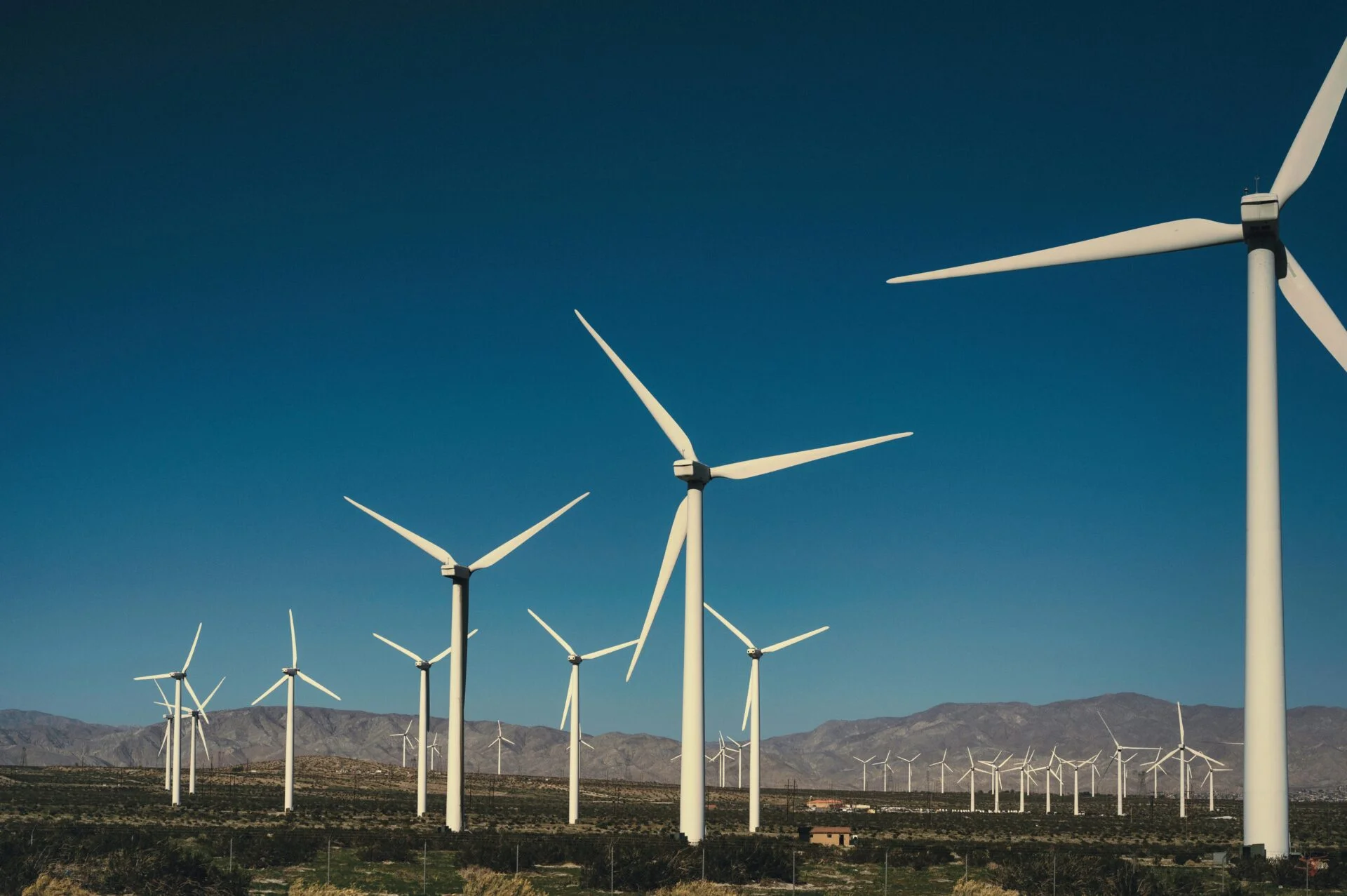
The African Development Bank Group has approved a financing package of up to $110 million for the 300MW Aysha Wind Project in Ethiopia's Somali Region, giving the country its first wind-powered Independent Power Producer.
The bank's Board of Directors approved the financing on 15 July. Dubai-based AMEA Power, which has built a growing renewable energy portfolio across Africa, will develop, own and operate the wind farm, overseeing its design, construction and maintenance.
The $110 million package comprises an $80 million loan from the AfDB's ordinary resources, $20 million from the Climate Investment Funds' Clean Technology Fund and $10 million from the Sustainable Energy Fund for Africa.
The bank intends to mobilise a further $381.1 million from other development finance institutions, lifting total project financing to an estimated $508 million.
The scheme includes a five-kilometre transmission line and upgrades to the existing Aysha II Substation, allowing the electricity generated to feed into Ethiopia's national grid.
Ethiopian Electric Power will purchase all output under a 25-year power purchase agreement and will assume ownership of the transmission infrastructure once construction is complete.
A different kind of project, not Ethiopia's first wind farm
Ethiopia already has more than 300MW of installed wind power capacity from three major wind farms: Adama I (51MW), Adama II (153MW) and Ashegoda (120MW), all developed as state-owned projects under Ethiopian Electric Power.
Aysha's distinction lies not in being Ethiopia's first wind farm but in being the first one built, owned and financed by a private developer under a power purchase agreement, rather than by the state itself.
The gap between Ethiopia’s wind potential and installed capacity is significant. Government and technical assessments estimate the country’s wind resources at between 6,720MW and 10,000MW, concentrated largely in the Rift Valley and highland corridors, compared with just over 300MW currently installed.
The 300MW Aysha project would nearly double Ethiopia’s existing wind capacity, but it would still represent only a fraction of the country’s available resource.
Reducing Ethiopia's reliance on hydropower
Ethiopia's electricity system is currently 96 per cent dependent on hydropower, a source that has made the country one of Africa's cleanest power producers but has also left it exposed to supply disruptions during prolonged droughts and shifting rainfall patterns.
Utility-scale wind generation brings Ethiopia a more balanced energy mix and lowers the risk of power shortages during periods of low water levels, while supporting the country's target of universal electricity access by 2030. Once operational, the wind farm will produce about 1,189 gigawatt-hours of electricity annually.
Project documents indicate that the Aysha Wind Project will avert about 1.39 million tonnes of carbon dioxide emissions over the life of the power purchase agreement.
The bank's estimates put direct construction jobs at around 1,525, 30 permanent operations jobs once the plant is running alongside an estimated 35,645 indirect supply chain and related jobs arising mainly from the GDP growth generated by the country’s additional electricity capacity.
The financing structure combines commercial lending with concessional funding and risk-sharing instruments, an approach that offers a practical template for delivering large-scale renewable energy projects in markets where attracting private capital has often proved difficult.
The African Development Bank said the Aysha project forms part of a continent-wide push to expand electricity access through cleaner energy sources, including the Mission 300 initiative, which aims to connect 300 million Africans to electricity by 2030.
Related Stories
Sign up for our newsletter.
Get the latest news, expert analysis, and industry insights delivered straight to your inbox. Join thousands of professionals shaping the future of energy.
By submitting my information, I agree to the Privacy Policy and Terms of Service.