Renewables
TotalEnergies Opens 216MW Solar-Battery Plant in South Africa
South Africa's new Hydra hybrid power plant shows how combining solar energy with battery storage can improve grid reliability, reduce diesel use and accelerate Africa's clean energy transition.
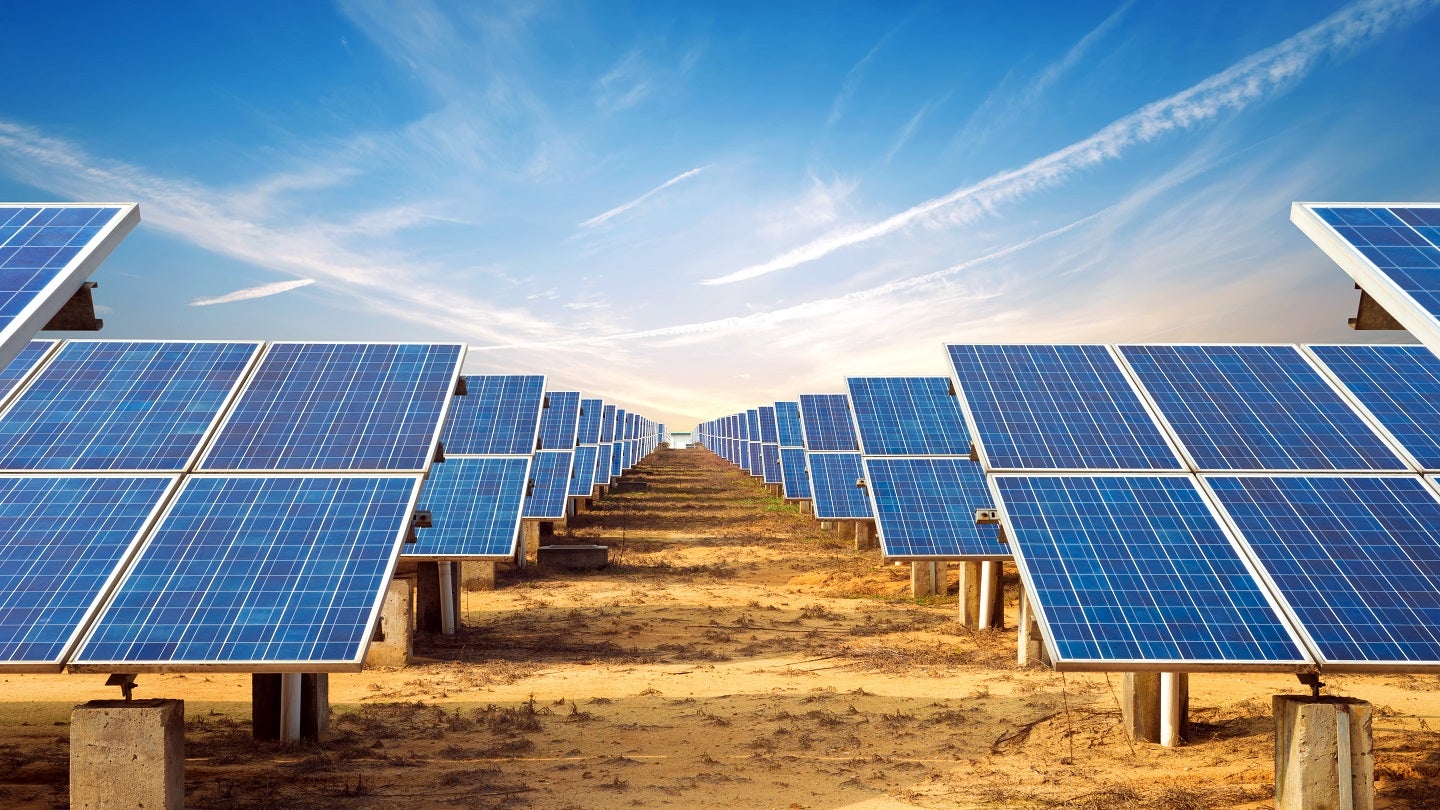
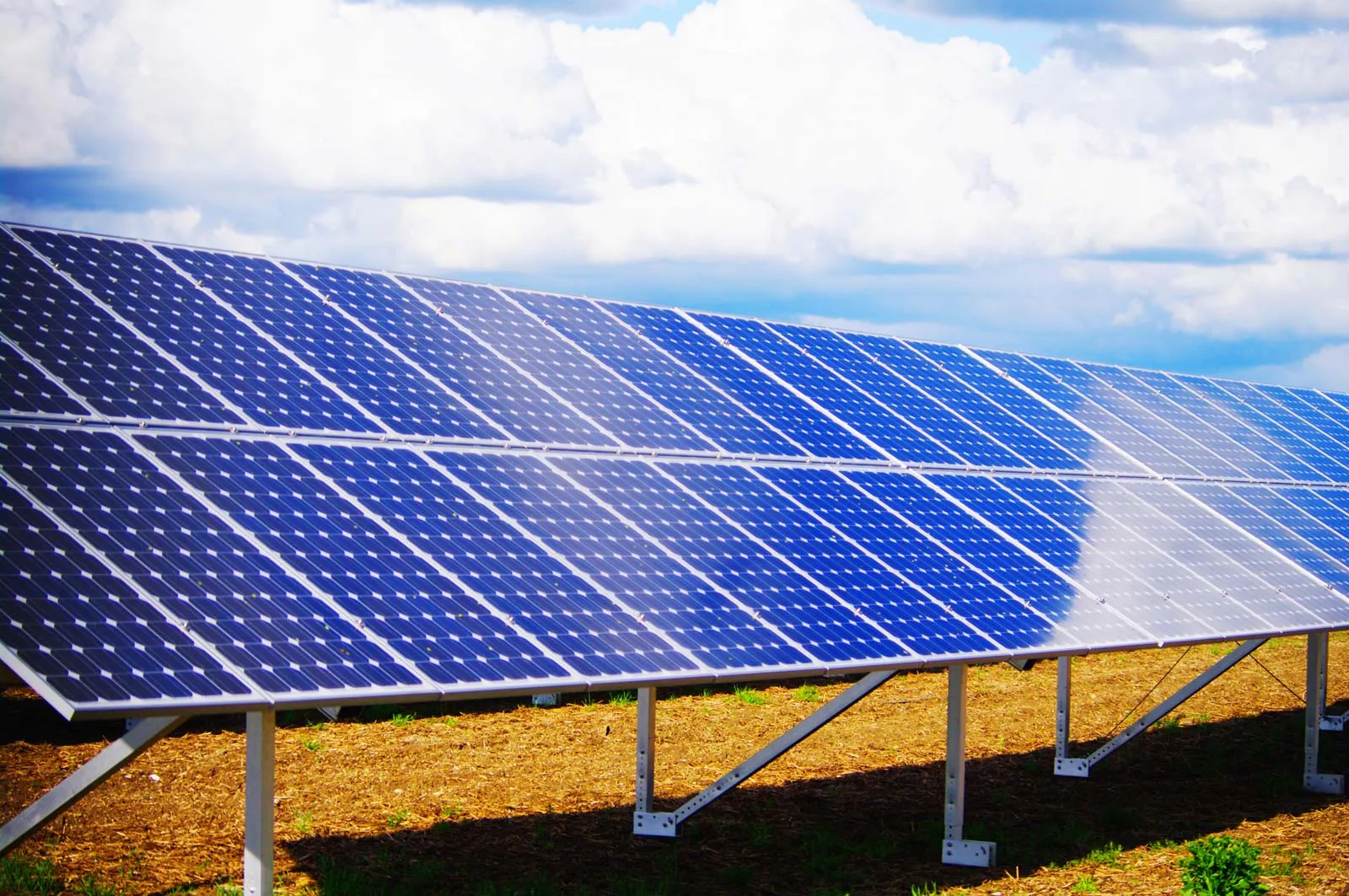
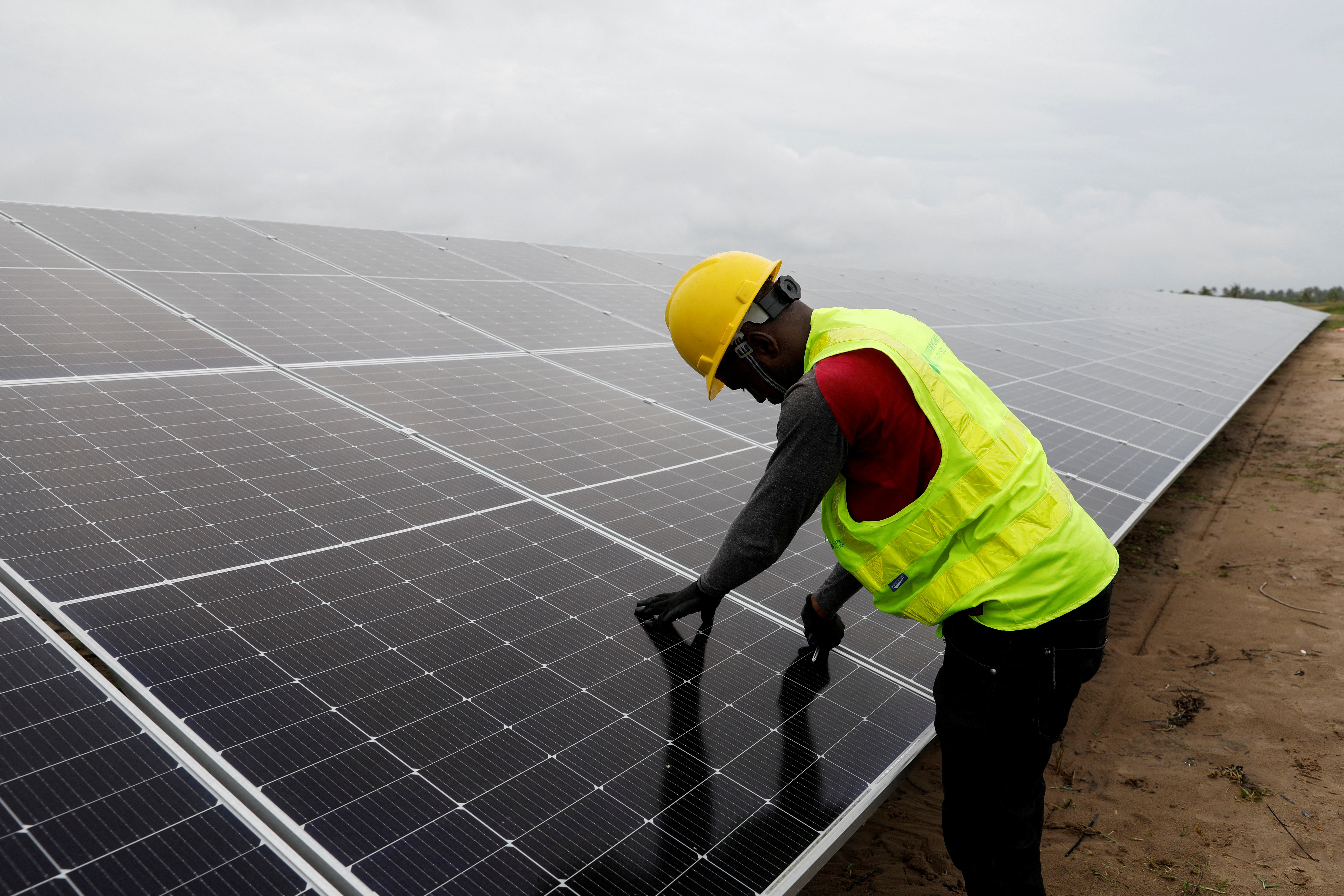
TotalEnergies, alongside Hydra Storage Holding and Reatile Renewables, has officially inaugurated the Hydra Hybrid Project, a renewable energy facility combining a 216MW solar photovoltaic plant with a 500MWh battery energy storage system in South Africa's Northern Cape.
The project is among the largest renewable energy investments commissioned in South Africa in recent years. It is designed to supply dependable electricity after sunset, storing excess solar generation during the day for release once demand rises in the evening.
Structure of the deal
A 20-year power purchase agreement with state-owned utility Eskom underpins the project. Under its terms, the plant will deliver 75MW of dispatchable electricity to the national grid between 5:00am and 9:30pm, covering the hours when pressure on the grid is typically at its highest. The facility is set to generate more than 400 gigawatt-hours of electricity annually, enough to supply around 200,000 households.
TotalEnergies and Hydra Storage Holding each hold a 35 percent stake in the project, with Reatile Renewables owning the remaining 30 percent.
Construction began in late 2023 after Hydra was selected under South Africa's Risk Mitigation Independent Power Producer Procurement Programme, a government initiative created to fast-track electricity projects capable of easing power shortages and reducing the country's reliance on diesel-powered generation.
Hybrid renewables strengthen South Africa's power supply
The commissioning comes as South Africa continues expanding renewable energy capacity to address years of electricity shortages and recurring load-shedding, driven by ageing coal-fired power stations and rising demand.
Conventional solar farms generate electricity only during daylight hours. Hydra's pairing of solar generation with large-scale battery storage allows it to supply power well into the evening, when homes and businesses draw the most electricity from the grid. That capability makes the facility a useful addition to Eskom's efforts to improve grid reliability while reducing its use of costly diesel-fired peaking plants.
Combining solar power with battery storage gives countries a way to make fuller use of renewable resources while cutting dependence on fossil fuels and improving energy security, an approach that is becoming more common among African countries looking to expand electricity supply without adding to carbon emissions.
Hydra adds to TotalEnergies' renewable energy portfolio in Africa, where the company has continued investing in utility-scale clean energy projects. The project also stands as a working example of how governments and private investors can collaborate to deliver reliable renewable electricity at scale, a model other African countries facing similar electricity challenges could look to replicate.
Related Stories
Sign up for our newsletter.
Get the latest news, expert analysis, and industry insights delivered straight to your inbox. Join thousands of professionals shaping the future of energy.
By submitting my information, I agree to the Privacy Policy and Terms of Service.