Renewables
REA Rolls Out 48 Smart Mini-Grids to Strengthen Power Supply
Cheaper solar equipment and battery technology are pushing Nigeria's electricity sector towards smarter, more reliable power systems that can attract more private investment.
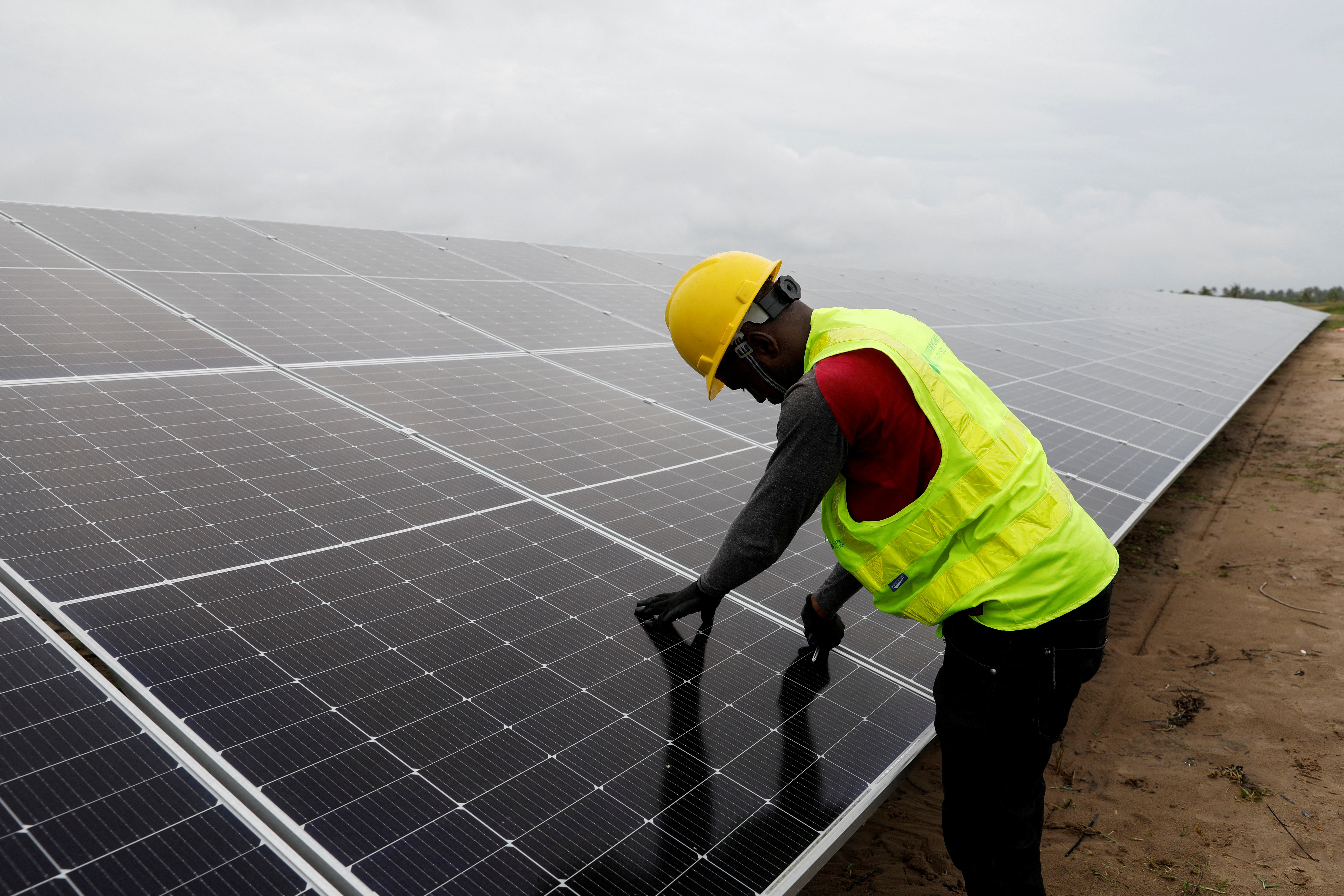
The Rural Electrification Agency (REA) has revealed that it is building 48 interconnected mini-grids with a combined capacity of about 288 megawatts to improve electricity supply, connect isolated power systems and make power more reliable in different parts of Nigeria.
The plan was outlined at Solar & Storage Live Nigeria 2026, where the agency also unveiled smart technologies designed to improve electricity management and support future investment in the power sector. The project aims to deliver more stable electricity to communities and businesses that struggle with unreliable power.
The announcement shows a new direction in Nigeria's renewable energy sector as attention shifts from simply installing more solar panels to building stronger electricity systems that can store energy, balance supply and demand, and improve service quality. Industry leaders at the conference agreed that battery storage and digital technology will determine how quickly renewable electricity can expand to serve more Nigerians.
Smart technology takes centre stage
REA Managing Director and Chief Executive Officer, Abba Aliyu, said battery storage will shape the next phase of investment in Nigeria's electricity sector.
"The next wave of capital will not go into generation," he said. "It will go into storage. That is where the unlock happens."
He explained that the agency's 48 interconnected mini-grids are designed to link isolated electricity networks, allowing them to operate more efficiently and deliver more reliable power. Such systems can also reduce interruptions by balancing electricity supply between connected areas.
Aliyu said every new REA-backed mini-grid now uses Internet of Things (IoT)-enabled smart meters that support two-way communication between consumers and operators. The technology allows electricity providers to monitor power use in real time, improve billing, manage electricity demand and detect faults before they become major problems.
The agency has also introduced artificial intelligence to support planning. Aliyu said REA has mapped more than 750,000 communities using demographic and economic information to identify locations where electricity projects are most viable.
"We know where the people are. We know what they can pay. We know which clusters make commercial sense," he said.
Falling solar costs reshape investment
Discussions at the conference also focused on how lower equipment prices are changing the economics of renewable energy.
President of the Renewable Energy Association of Nigeria (REAN), Ayo Adedimulua, said renewable energy is no longer as expensive as many people still believe.
He said the cost of major renewable energy components has dropped sharply over the last 10 to 15 years, making solar power much more competitive with conventional energy sources.
"Every naira spent on diesel or petrol is gone the moment it is burned. Every naira invested in solar panels or batteries continues delivering value over the lifetime of the asset," he said.
Adedimulua noted that Nigeria has abundant renewable energy resources beyond solar, including hydro, wind, biomass and geothermal energy. He said these resources offer major opportunities if investors and policymakers make full use of them.
He also pointed to the strong turnout of manufacturers, financiers, project developers and policymakers at this year's conference as evidence that confidence in Nigeria's renewable energy market is improving.
Aliyu also linked the sector's progress to the Electricity Act 2023, which gives state governments greater authority over electricity regulation. He said the law has opened new opportunities for private investment, although the pace of implementation differs from one state to another.
"The reform is consequential, no question," he said. "States have the authority now. The question is whether they have the ambition to use it."
Industry participants agreed that cheaper renewable energy equipment, battery storage, smart digital systems and improved regulation are steadily changing how electricity projects are planned and delivered.
These changes are laying the foundation for more reliable power supply, stronger private sector participation and wider access to electricity in communities that have long faced limited or unstable service.
Related Stories
Sign up for our newsletter.
Get the latest news, expert analysis, and industry insights delivered straight to your inbox. Join thousands of professionals shaping the future of energy.
By submitting my information, I agree to the Privacy Policy and Terms of Service.