Renewables
Zambia Awards Contracts for 156 Constituency Solar Plants
Zambia's nationwide solar rollout will add 312MW of clean electricity, strengthen energy security, reduce reliance on hydropower and expand access to reliable power.
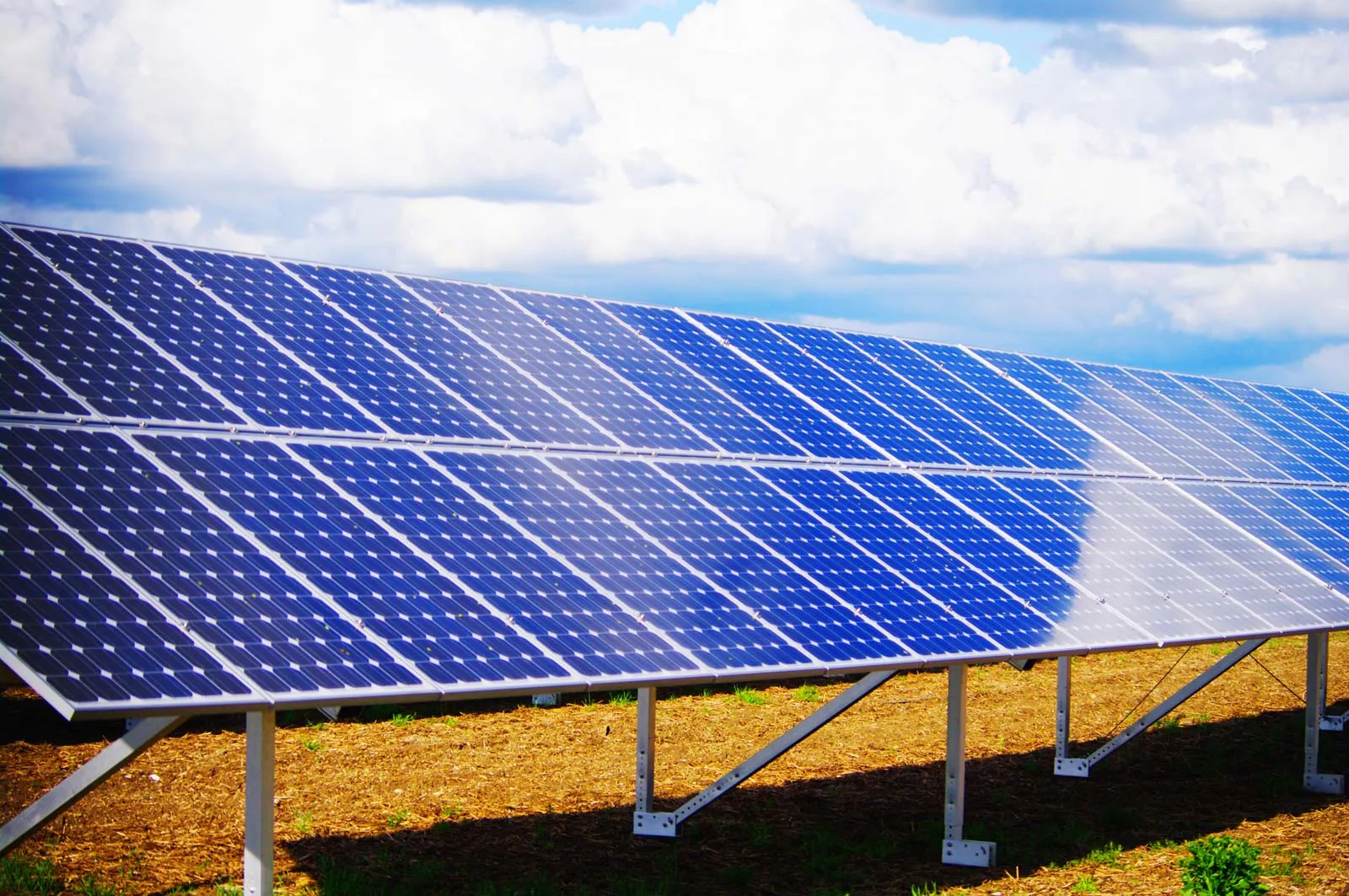
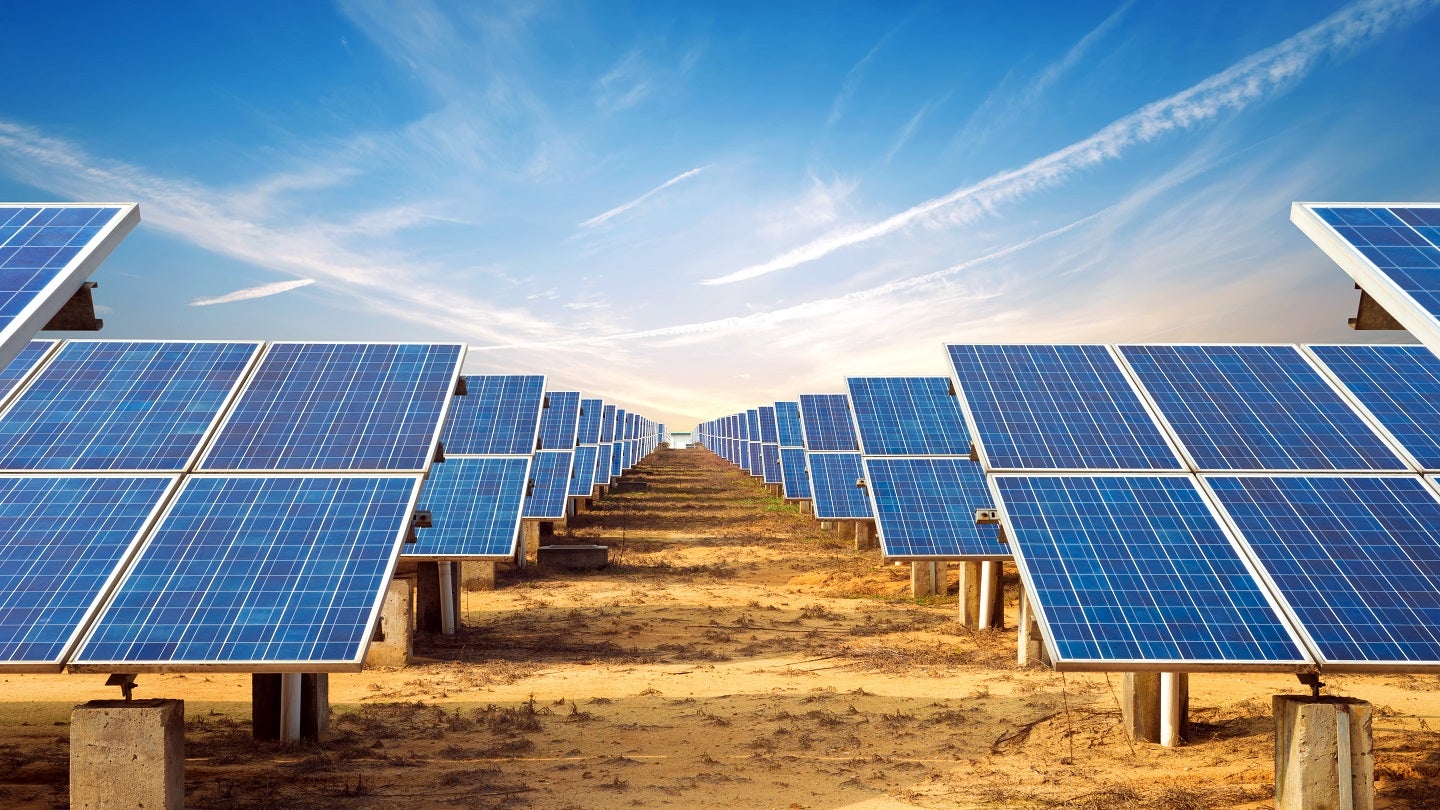
The Zambian government has signed contracts with five contractor groups to build 2-megawatt solar power plants in each of the country's 156 constituencies, launching a nationwide programme that will add 312MW of renewable generation capacity to the national grid.
The contracts were signed on Tuesday under the Presidential Constituency Energy Initiative, one of the most extensive decentralised renewable energy programmes Zambia has undertaken.
Each constituency will host its own grid-connected 2MW solar plant, spreading generation across the country rather than concentrating it in a small number of large facilities.
Cabinet approved the ZMW4.3 billion (about $235.5 million) programme in November 2025 as part of a wider effort to close Zambia's electricity shortfall.
The Ministry of Local Government and Rural Development confirmed earlier this year that procurement had been completed, clearing the way for the contracts signed this week.
Five consortia, each pairing Zambian firms with Chinese partners, will deliver the plants. They are Sunshare Construction Limited with China Railway Construction Engineering Group, China Civil Engineering Construction Company Limited, Golden Baobab Investments with Huawei Technologies Zambia Limited, Chetam Metals Fabrication with ZamChin Construction Company Limited, and China Jiangxi International Corporation with Qingdao Haier Photovoltaic New Energy Company Limited.
Construction across all 156 sites is scheduled to be completed within 12 months, meaning the contractors will need to run grid connection and commissioning work simultaneously across the country rather than sequentially.
A grid exposed to drought
Zambia generates most of its electricity from hydropower, chiefly from the Kariba and Kafue Gorge stations, which leaves supply vulnerable when rainfall is poor and water levels fall.
Households, businesses and industries have faced repeated power shortages in recent years as a result, with ZESCO forced into extended load-shedding during periods of low water at these reservoirs.
Spreading solar capacity across all 156 constituencies gives the government a way to add generation that does not depend on rainfall, while also reducing the distance power has to travel from centralised plants to reach communities on the grid's periphery.
Jobs and wider impact
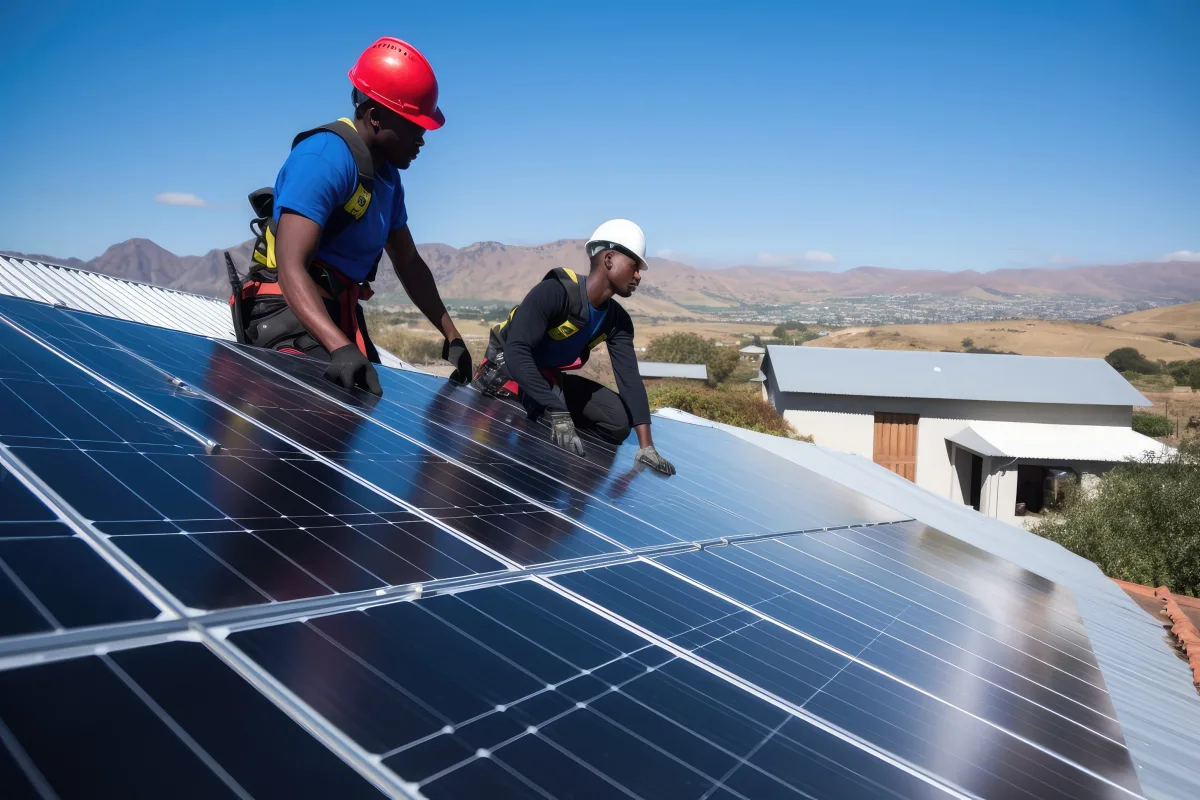
The government estimates the construction phase will generate around 15,600 jobs, alongside opportunities for local businesses supplying materials and services to the various sites.
The programme adds a meaningful share of solar to a grid that has historically relied on hydropower alone, giving Zambia a second major generation source to draw on when water levels are low.
If the 12-month timeline holds, it would rank among the largest constituency-based solar programmes on the continent. It would also give other African governments a working example of expanding electricity access through decentralised solar rather than a handful of large, centralised plants.
Related Stories
Sign up for our newsletter.
Get the latest news, expert analysis, and industry insights delivered straight to your inbox. Join thousands of professionals shaping the future of energy.
By submitting my information, I agree to the Privacy Policy and Terms of Service.