Power |Oil & Gas
Africa’s Energy Reserves Gain New Weight as Europe Cuts Russian Supplies
Algeria, Egypt and Nigeria are becoming important to Europe’s search for gas, as uranium supplies from Africa also gain importance for the bloc’s nuclear power sector.
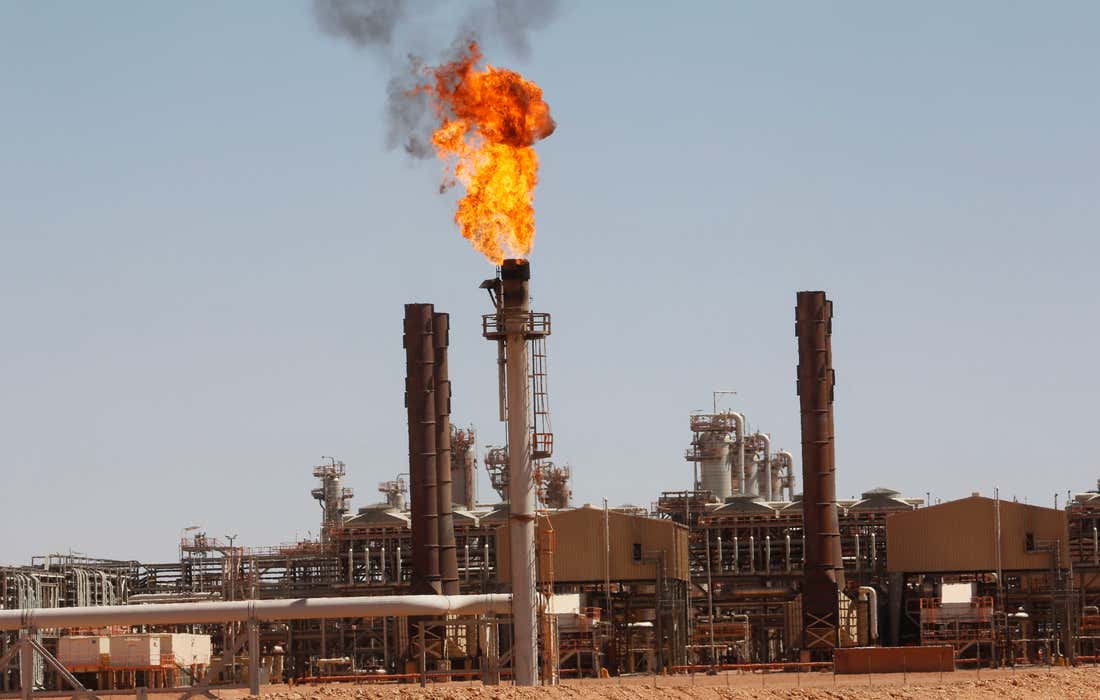
Africa’s energy resources are taking on greater importance in Europe as the European Union cuts its dependence on Russian gas and faces uncertainty in its energy relationship with the United States.
This is according to an 18th August report by Business Insider Africa.
The change is bringing Algeria, Egypt and Nigeria into a more important position in Europe’s search for gas, with Niger and Tanzania also featuring in the bloc’s uranium supply chain.
The development follows a sharp fall in Russia’s share of EU gas imports. Russia supplied about 45 per cent of EU gas imports before the war in Ukraine, but its share had fallen to about 13 per cent by the end of 2025.
Pipeline gas from Russia fell from more than 40 per cent of EU imports to about 6 per cent over the same period. The EU plans to end Russian gas imports by 2027 under its REPowerEU framework.
That reduction has left Europe looking for alternative sources. US liquefied natural gas became an important replacement after Russian pipeline deliveries declined, but trade disputes, tariff disagreements and geopolitical tensions have put pressure on that energy relationship.
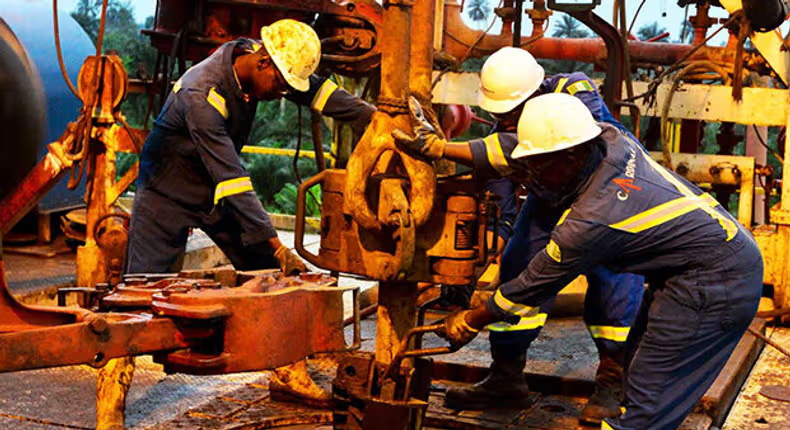
Africa therefore offers Europe another source of oil, gas and uranium.
North Africa holds the gas advantage
Algeria has the strongest gas position among African suppliers to Europe. It provides about one-fifth of the EU’s pipeline gas imports and is the bloc’s second-largest pipeline supplier after Norway.
The country has about 159 trillion cubic feet of proven gas reserves and three major pipelines connecting it with Europe.
The TransMed pipeline runs from Algeria to Italy through Tunisia. Medgaz connects Algeria directly with Spain, while the Maghreb-Europe Gas Pipeline serves the Iberian Peninsula.
Existing pipelines are not operating at full capacity, leaving Algeria with room to supply more gas without immediate construction of new routes.
Libya also has an important place in Europe’s energy supply. It holds about 48 billion barrels of proven oil reserves, the largest in Africa, alongside significant gas deposits.
Its Greenstream pipeline connects Libya to Italy but operates below capacity because of production problems and political instability.
Egypt offers another route through LNG. Its Idku and Damietta plants have combined capacity of about 19 billion cubic metres a year.
Nigeria gives Europe another major source of gas. It has about 200 trillion cubic feet of proven natural gas reserves, the largest in Africa.
The proposed Trans-Saharan Gas Pipeline could connect Nigeria, Niger and Algeria with Europe. The 4,128-kilometre project is planned to carry up to 30 billion cubic metres of gas each year if completed.
The African gas supply picture, for Europe, is therefore not limited to one country or one route.
Uranium adds another layer
Europe’s search for African energy resources also extends to uranium because nuclear power supplies a large share of electricity in several EU countries.
Nuclear power accounts for more than 40 per cent of electricity generation in France, Slovakia, Hungary and Belgium.
Niger has historically supplied more than a quarter of the EU’s uranium needs for nuclear power plants. Political instability has disrupted relations between the country and European partners, placing its uranium industry within a wider contest for influence in the region.
Russia has expanded its presence in Africa’s nuclear and resource sectors as European countries seek alternatives to Russian energy.
Russian state nuclear company Rosatom has increased its involvement in Africa, including uranium-related projects in Tanzania. Tanzania’s Mkuju River project is one of the continent’s significant undeveloped uranium deposits.
Nigeria is also working with Russia on nuclear energy, including plans for nuclear reactors as the country seeks higher electricity generation.
The contest is not limited to gas and uranium. Russia has developed partnerships in African oil, gas and critical minerals, including bauxite in Guinea, Angola and Ghana.
Europe is also seeking critical raw materials through its Critical Raw Materials Act, which aims to reduce reliance on individual foreign suppliers.
It should be noted that, for African countries, the European search creates new interest in resources that can supply both traditional energy systems and nuclear power.
But the relationship also sits alongside disagreements between Europe and African countries over migration and tighter border controls.
Europe’s energy search is therefore placing African resources in a more important position in the continent-to-continent relationship, with gas, uranium and other minerals all featuring in the contest for reliable supplies.
Related Stories
Sign up for our newsletter.
Get the latest news, expert analysis, and industry insights delivered straight to your inbox. Join thousands of professionals shaping the future of energy.
By submitting my information, I agree to the Privacy Policy and Terms of Service.