Power
August Power Charge Hike Exposes Kenya’s Costly Electricity Burden
New fuel and foreign-exchange charges could take the indicative cost of a unit to nearly Sh33, with taxes and expensive generation also swelling consumer bills.
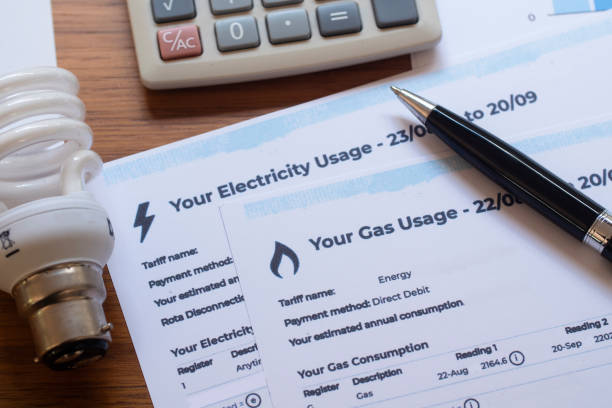
Kenyan households and businesses in August have begun to experience a higher electricity burden after new monthly charges lifted the cost of a unit of power by Sh4.7027, exposing how fuel costs, foreign-currency liabilities and statutory charges combine to inflate final bills.
The Energy and Petroleum Regulatory Authority imposed the new charges through Kenya Gazette notices dated August 14, setting the Fuel Energy Cost Charge at Sh3.51 per kilowatt-hour, the Foreign Exchange Fluctuation Adjustment at Sh1.1777 and the Water Resources Management Authority levy at Sh0.015.
The combined increase means a consumer who paid an indicative Sh28.24 per unit under the July calculation could now face about Sh32.94 per kWh under the August structure, subject to consumption levels and tariff bands.
The indicative electricity bill rises from Sh847.20 to Sh988.20 for a household using 30 units monthly.
The increase comes at a time when inflation is already weighing on household spending. Kenya's annual inflation rate rose to 6.5 per cent in July from 6.4 per cent in June.
The Kenya National Bureau of Statistics recorded a 3.2 per cent annual rise in the Housing, Water, Electricity, Gas and Other Fuels category. Between June and July, electricity prices rose by 3.5 per cent for a 50-kWh consumer and 3.1 per cent for a 200-kWh consumer.
Cost burden goes beyond Kenya Power
The final electricity bill is not made up of the retail tariff alone.
Consumers pay 16 per cent Value Added Tax on the consumption charge and on fuel and foreign-exchange adjustments. There is also a Rural Electrification Programme levy equal to five per cent of the cost of electricity consumed, as well as regulatory and water-management charges.
A National Assembly inquiry into electricity pricing had identified VAT as the principal national tax directly imposed on power bills and noted that sector levies also raise the amount paid by consumers.
This structure means a rise in certain monthly charges can produce an extra tax burden because VAT applies to some of those components.
Foreign-currency exposure is another major source of pressure.
EPRA reported combined foreign-exchange gains and losses of about Sh1.4 billion in the electricity sector. Independent power producers accounted for Sh1.04 billion, Kenya Power Sh168.9 million and KenGen Sh145.3 million.
Kenya Power has said the forex adjustment covers foreign-currency costs such as project loan repayments, while fuel charges are passed through the electricity supply chain to generators and fuel suppliers.
Parliament has also questioned the cost of electricity purchased from independent power producers.
A Senate Energy Committee review found that IPPs generated about 28 per cent of the country's electricity but accounted for 47 per cent of power purchase costs.
A later National Assembly inquiry recommended competitive procurement and proposed that future power purchase agreements should rely more on Kenyan shilling-denominated arrangements where local costs are involved, leaving foreign currency for genuine external financing obligations.
Huge gap in generation costs
The August fuel charge was calculated from electricity generated and purchased in July from thermal and geothermal plants, other generation sources and imports.
The figures reveal a vast gap in generation costs across the system.
North Horr recorded a generation cost of Sh396.12 per kWh, Rhamu Sh363.18 and Baragoi Sh346.75. These are costs at specific isolated thermal stations and do not represent the retail price charged to consumers.
Geothermal generation presents a far cheaper picture. Several Olkaria units and other geothermal plants carried a steam charge of about Sh3.75 per kWh.
The contrast comes as monthly adjustments continue under the existing 2023 electricity tariff structure. The government withdrew a proposed retail tariff review in June, but consumers are still exposed to changes arising from generation expenses, foreign-exchange costs and other sector charges.
The consequences will not stop at household meters.
Manufacturers require electricity for machinery, supermarkets for refrigeration and lighting, and hotels, restaurants, bakeries and salons for daily operations. Businesses with limited margins may have to absorb the higher cost, trim expenditure elsewhere or transfer part of the burden to customers.
With the August charges now in force, electricity has again become a direct cost pressure for both homes and businesses.
Related Stories
Sign up for our newsletter.
Get the latest news, expert analysis, and industry insights delivered straight to your inbox. Join thousands of professionals shaping the future of energy.
By submitting my information, I agree to the Privacy Policy and Terms of Service.