Power
Nkula Plant Faults Leave Malawi Facing 83MW Evening Power Gap
Two faults at the Nkula hydro stations have cut available supply to 347MW, leaving Malawi’s electricity system short of peak demand.
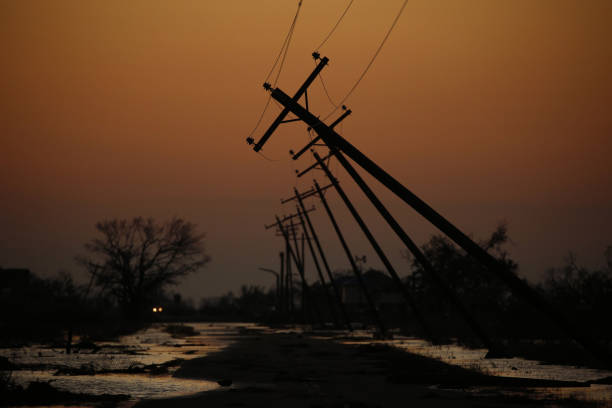
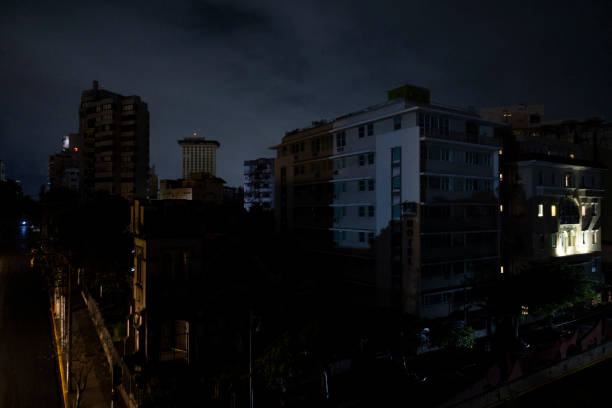
Malawi’s power system is facing an 83-megawatt supply gap during evening peak hours after failures at the Nkula generation plants cut available electricity to 347MW against demand of 430MW, raising the prospect of more blackouts for homes and businesses.
The Electricity Supply Corporation of Malawi, Escom, said the national grid is already operating with a 42MW shortfall outside peak periods, but the deficit rises sharply when demand reaches its evening high.
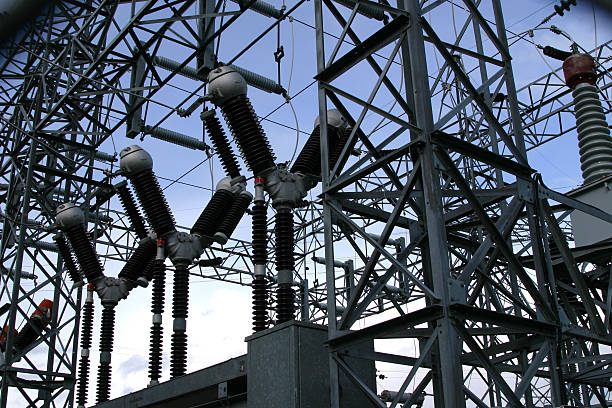
The situation is tied largely to faults at the Nkula A and Nkula B stations, where repairs will stretch into September and October.
Nkula B Unit 6, which contributes 20MW, suffered a major failure on August 7. The damage requires critical parts to be dismantled and sent to South Africa for specialised reconditioning, leaving the unit unavailable until early October.
At Nkula A, worn shaft seals have restricted output and created an 11.1MW loss. Replacement parts are expected towards the end of August, with full repairs planned for completion by mid-September.
Escom said power supply could continue to fluctuate until the affected units return to service.
Faults hit available supply
The Nkula B breakdown has created problems beyond the loss of its own generation.
Escom said the outage has also affected the stable integration of the recently commissioned 10MW Egenco Solar PV facility, compounding pressure on the grid.
The Electricity Generation Company, Egenco, had earlier reported output of 370MW but later acknowledged difficulty in maintaining ageing generating equipment as electricity demand rises.
Its spokesperson, Moses Gwaza, said Malawi needs a deliberate and accelerated approach to expanding electricity generation to meet present and future consumption.
“Just as significant resources have been mobilised over the years for grid extension and electrification programmes mainly at distribution level, there is a need for dedicated financing mechanisms that support the development of new generation projects,” Gwaza said.
His comments came as the country faces a sharp mismatch between installed capacity, available generation and electricity demand.
Malawi has total installed generation capacity of 564.2MW. Hydro accounts for 401.8MW, diesel 51.4MW and solar 111MW, with power supplied by Egenco and other producers.
Yet only 347MW is currently available to the grid, leaving a substantial portion of installed capacity unavailable at a time of pressure on supply.
Access gap compounds problem
The blackout threat is also unfolding in a country where electricity access is still limited.
Only 25.9 per cent of Malawi’s population has access to either grid or off-grid electricity. The figure is far below the government’s goal of achieving 70 per cent access by 2030.
Gwaza said past financing for electrification and grid extension had mainly concentrated on distribution, and he called for dedicated funding arrangements for new power projects.
Notably, for consumers already connected to electricity, the immediate issue is the gap between available supply and demand.
At peak demand of 430MW, the current 347MW generation level leaves an 83MW deficit. Outside the evening peak, Escom put the shortage at 42MW.
The repair timetable also means relief will not come at once. Nkula A is expected to regain full operation by mid-September, but Nkula B Unit 6 is not expected back before early October.
Until those repairs are completed, Malawi’s electricity network will continue operating with less generation than consumers require, with further outages likely as demand rises above available supply.
Related Stories
Sign up for our newsletter.
Get the latest news, expert analysis, and industry insights delivered straight to your inbox. Join thousands of professionals shaping the future of energy.
By submitting my information, I agree to the Privacy Policy and Terms of Service.