Climate & Sustainablity |Power
Tunisia Heat Crisis Forces Power Rationing, Blackouts Affect Major Operations
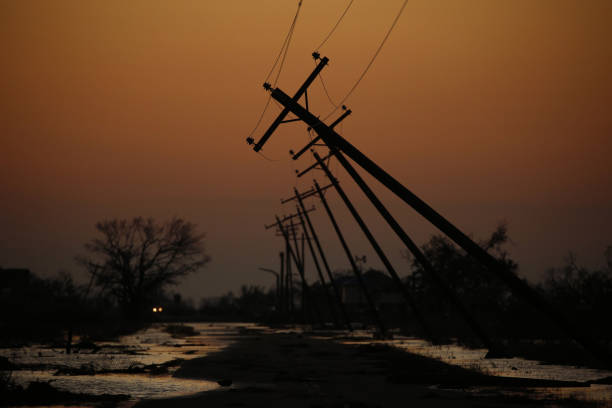
Record electricity demand during extreme temperatures has forced Tunisia’s state utility, STEG, to ration supply in several regions, with blackouts disrupting water pumping and factory operations.
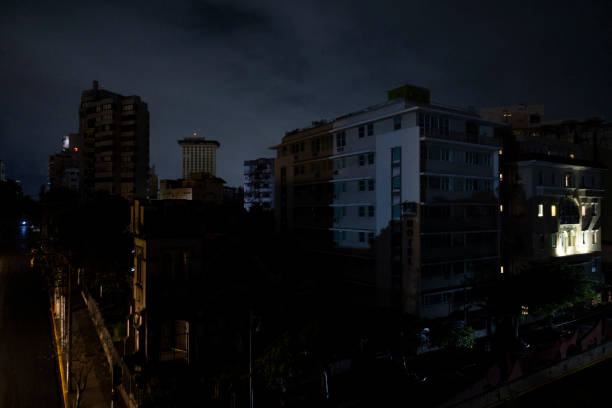
Tunisia’s electricity system came under severe strain this summer as temperatures climbed to 50 degrees Celsius in parts of the country, forcing state-owned utility STEG to ration power after demand reached record levels.
The supply restrictions have extended the impact of the heat wave beyond homes and businesses, affecting water pumping stations and contributing to shortages of drinking water in some areas.
Lengthened blackouts also disrupted factory operations, including bottled-water production at a time when demand surged. The situation was worsened by a shortage of raw plastic materials after shipping disruptions in the Strait of Hormuz interrupted petrochemical exports to North Africa used in bottle manufacturing.
The power shortages have now become a major source of public anger, featuring prominently at a protest in Tunis on Thursday organised by the Nafas opposition collective.
Demonstrators demanded improvements in electricity and water supply, alongside action over medicine shortages, rising living costs and restrictions on freedoms. Many also called on President Kais Saied to leave office.
As reported by INFOTEL Media, Mohamed Hawel, a university teacher and member of Nafas, said access to basic necessities had become a central issue for many Tunisians.
“We are not making the bare minimum. We keep queuing to get water and bread. This is unbelievable in Tunisia in the 21st century,” Hawel told The Associated Press.
Blackouts Spill Into Water Supply
The heat wave exposed how electricity interruptions can affect other essential services, with power cuts hitting water pumping facilities in a country where access to drinking water has already posed difficulties in some areas.
As outages lasted longer, bottled water disappeared rapidly from shelves, though manufacturers were themselves affected by disrupted factory operations and limited supplies of plastic materials.
The protest in Tunis came after another Nafas rally in the capital last month. The newer opposition collective, launched in May, was formed to unite political parties and independent figures outside Tunisia’s traditional opposition around dissatisfaction with government performance and what it considers injustice.
Thursday’s demonstration drew opposition activists as well as people who had not previously joined political protests. Social media influencers also took part, helping attract younger participants.
The Nafas protests have taken place amid seven years of Saied’s presidency and five years after he suspended parliament, dismissed the government and consolidated his rule in 2021.
Recent demonstrations have featured increasingly explicit demands for him to step down, including chants used during the 2011 Arab Spring uprising that removed former president Zine El Abidine Ben Ali.
However, the immediate challenge for STEG has been meeting an unprecedented surge in electricity demand during one of the country’s most punishing summers, with rationing already introduced in several regions as the heat wave intensified.
Related Stories
Sign up for our newsletter.
Get the latest news, expert analysis, and industry insights delivered straight to your inbox. Join thousands of professionals shaping the future of energy.
By submitting my information, I agree to the Privacy Policy and Terms of Service.