Power
Gambia Introduces Load Shedding as Power Demand Hits 140MW
Gambia’s NAWEC has introduced peak-hour load shedding after electricity demand surged to 140MW amid extreme heat and constraints on power imports.
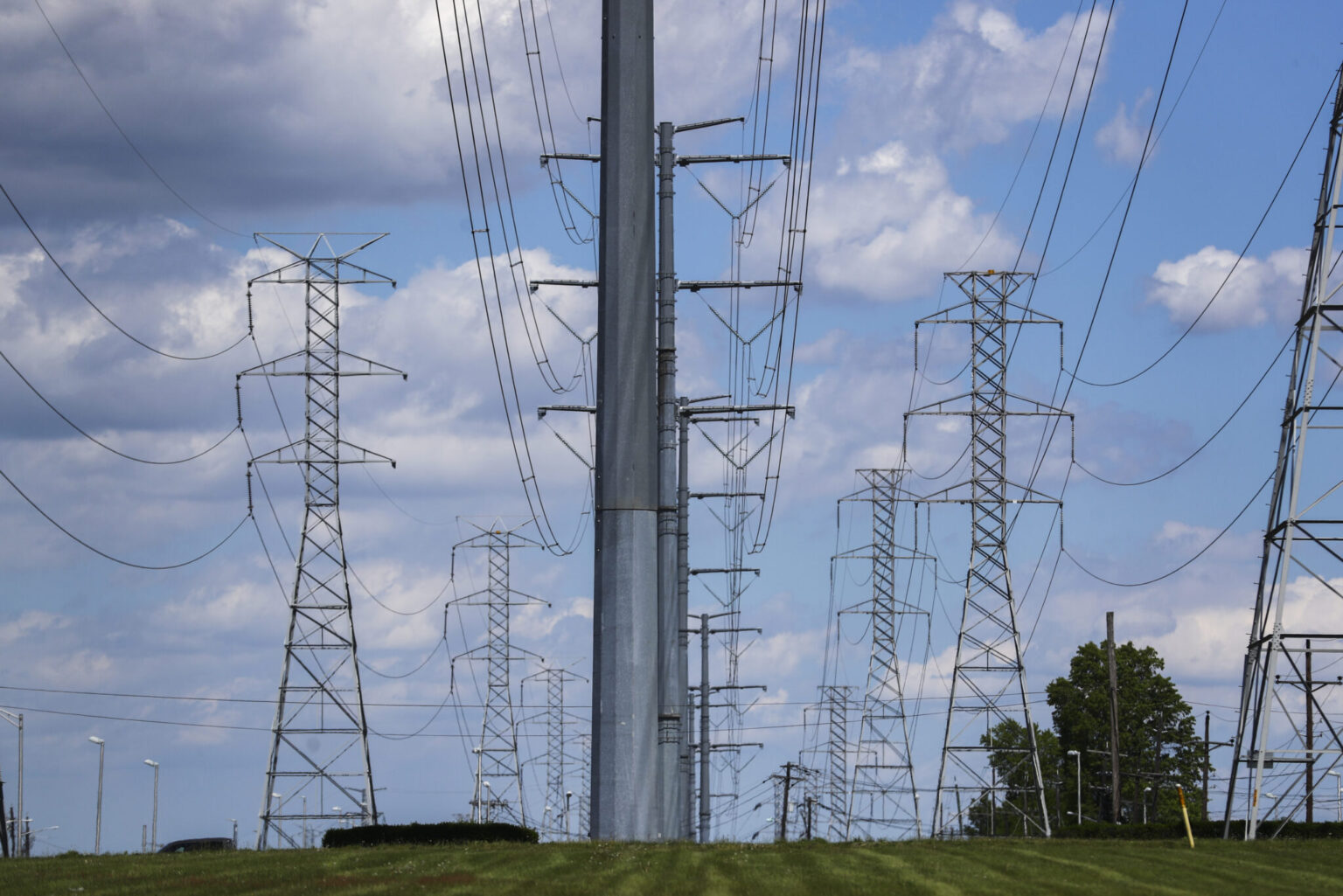
The Gambia is facing planned electricity cuts after a sharp rise in power demand pushed the national system to about 140MW during peak periods, stretching available generation and import capacity.
The National Water and Electricity Company (NAWEC) said the increase has been driven largely by extreme heat, which has increased electricity consumption as households and businesses rely more heavily on cooling systems.
The utility added that the demand surge has coincided with constraints on electricity imports and a technical incident affecting one of the major generating units on the import side.
NAWEC is currently operating four local generating units but noted that the available supply remains insufficient to meet peak demand while maintaining a secure and stable system.
Heat-driven demand exposes pressure on Gambia’s power supply
To manage the shortfall, NAWEC revealed that it would introduce load shedding during peak periods, mainly between 8:00 p.m. and 4:00 a.m. affecting several parts of the country.
The timing demonstrates the pressure created by evening electricity consumption, when demand typically rises as households and businesses operate simultaneously.
The situation also marks the vulnerability of the country's electricity system when higher domestic demand coincides with constraints on imported power and disruptions to generation capacity.
NAWEC assured that it would continue working to manage the available supply and maintain system stability while providing updates through its official communication channels.
The utility apologised for the disruption and appealed to customers for patience and cooperation as it manages the supply constraints.
Related Stories
Sign up for our newsletter.
Get the latest news, expert analysis, and industry insights delivered straight to your inbox. Join thousands of professionals shaping the future of energy.
By submitting my information, I agree to the Privacy Policy and Terms of Service.