Power
Nigeria Moves to Fix Grid Bottleneck as FG Targets 6,000MW
Nigeria is accelerating transmission upgrades to remove grid bottlenecks as the Federal Government targets 6,000MW of electricity generation and wheeling by December.
Nigeria is stepping up investment in its transmission network as the Federal Government seeks to close one of the biggest gaps in the country's electricity system: the inability to reliably move available power to where it is needed.
The government is targeting 6,000 megawatts (MW) of electricity generation and wheeling by December, even though generation currently averages about 5,000MW.
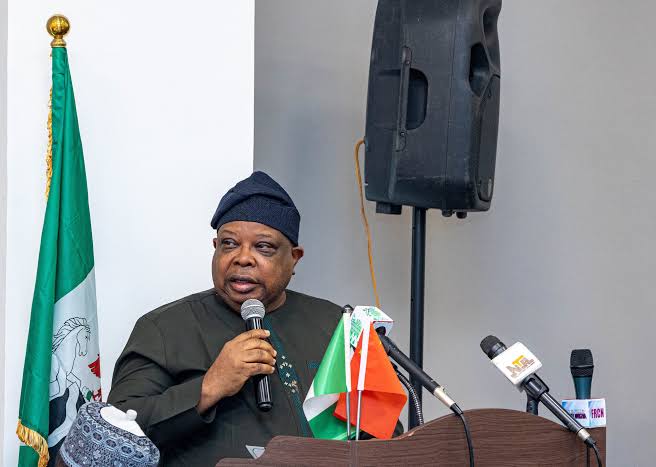
Minister of Power Joseph Tegbe announced the target in Lagos while commissioning two new 100 megavolt-amperes (MVA), 132/33 kilovolt transformers at the Ijora Transmission Substation.
The emphasis on wheeling capacity exhibits a broader shift in the government's approach to Nigeria's power challenge. Rather than focusing only on producing more electricity, authorities are seeking to strengthen the infrastructure required to evacuate generation and deliver it to distribution networks.
The Ijora project is aimed at one of Nigeria's largest electricity demand centres, where industrial, commercial and residential consumption has continued to grow.
The substation previously operated three 30MVA transformers with a combined capacity of 90MVA. Two of those transformers have now been replaced with 100MVA units, increasing installed transformation capacity to 230MVA.
Tegbe said the upgrade translates into about 125MW of additional bulk transmission capacity, which will improve electricity supply to Ijora, Costain, Oyigbo, Customs and Ajegunle, as well as other areas within the Eko Electricity Distribution Company franchise.
The larger transformers were deliberately chosen to accommodate Lagos's expanding demand.
TCN Managing Director Sule Abdulaziz stated that the company would normally replace ageing 30MVA transformers with 60MVA units, but opted for 100MVA transformers because of the scale of electricity demand in Lagos.
The project was funded by the World Bank and executed by Shanghai Electric Limited.
Government plans 20 transmission projects before year-end
The Ijora commissioning is part of a wider transmission expansion programme, with Tegbe saying the government intends to commission 20 transmission projects before the end of 2026.
The minister said Nigeria had historically faced a situation in which electricity could be generated but could not always be evacuated because of transmission constraints.
That bottleneck has become increasingly important as the government seeks to raise generation. Additional power generation has limited value if the transmission system cannot carry it to distribution companies and ultimately to consumers.
Tegbe added that the goal was to create a system capable of delivering electricity "where it is needed, when it is needed," while improving reliability and supporting economic activity.
TCN is also investing in new substations, transformer upgrades, transmission lines and grid technologies, according to Abdulaziz.
The company is also seeking to keep transmission capacity ahead of generation growth, reducing the risk that new generation capacity becomes stranded because of network limitations.
Stronger transmission is becoming central to Nigeria's power strategy
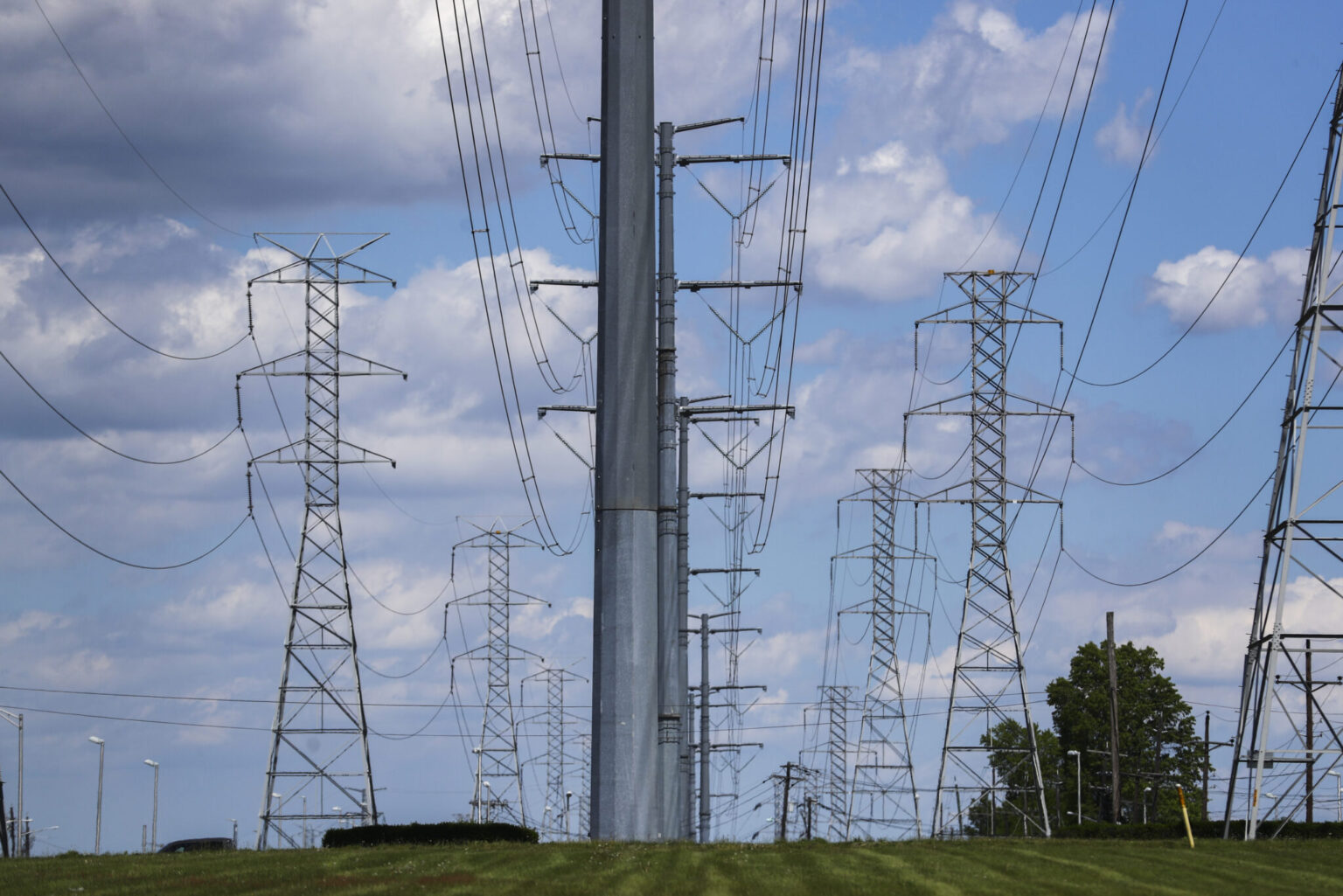
The government is targeting 6,000MW of generation and wheeling by December, compared with current generation of roughly 5,000MW. TCN's existing wheeling capacity is estimated at about 8,500MW, suggesting that the immediate constraint is not simply the theoretical size of the transmission network but the ability of the wider power system to generate, evacuate and distribute electricity consistently.
Tegbe also commissioned a separate 2x60MVA 132/33kV gas-insulated substation on Apapa Road, funded by the Japan International Cooperation Agency.
The investments come as Nigeria continues to address ageing infrastructure, network constraints and reliability problems across the electricity value chain.
The bigger objective is to ensure that additional generation translates into actual electricity reaching consumers for the Federal Government.
That makes the transmission programme critical to the December target: Nigeria does not only need more megawatts; it needs a grid capable of carrying those megawatts to the people and businesses that need them.
Related Stories
Sign up for our newsletter.
Get the latest news, expert analysis, and industry insights delivered straight to your inbox. Join thousands of professionals shaping the future of energy.
By submitting my information, I agree to the Privacy Policy and Terms of Service.