Power
Liberia Set to Save Millions as New Power Capacity Reduces Foreign Electricity Dependence
Liberia restores 22MW at Mount Coffee and launches 20MW solar farm to meet more of its own power needs.
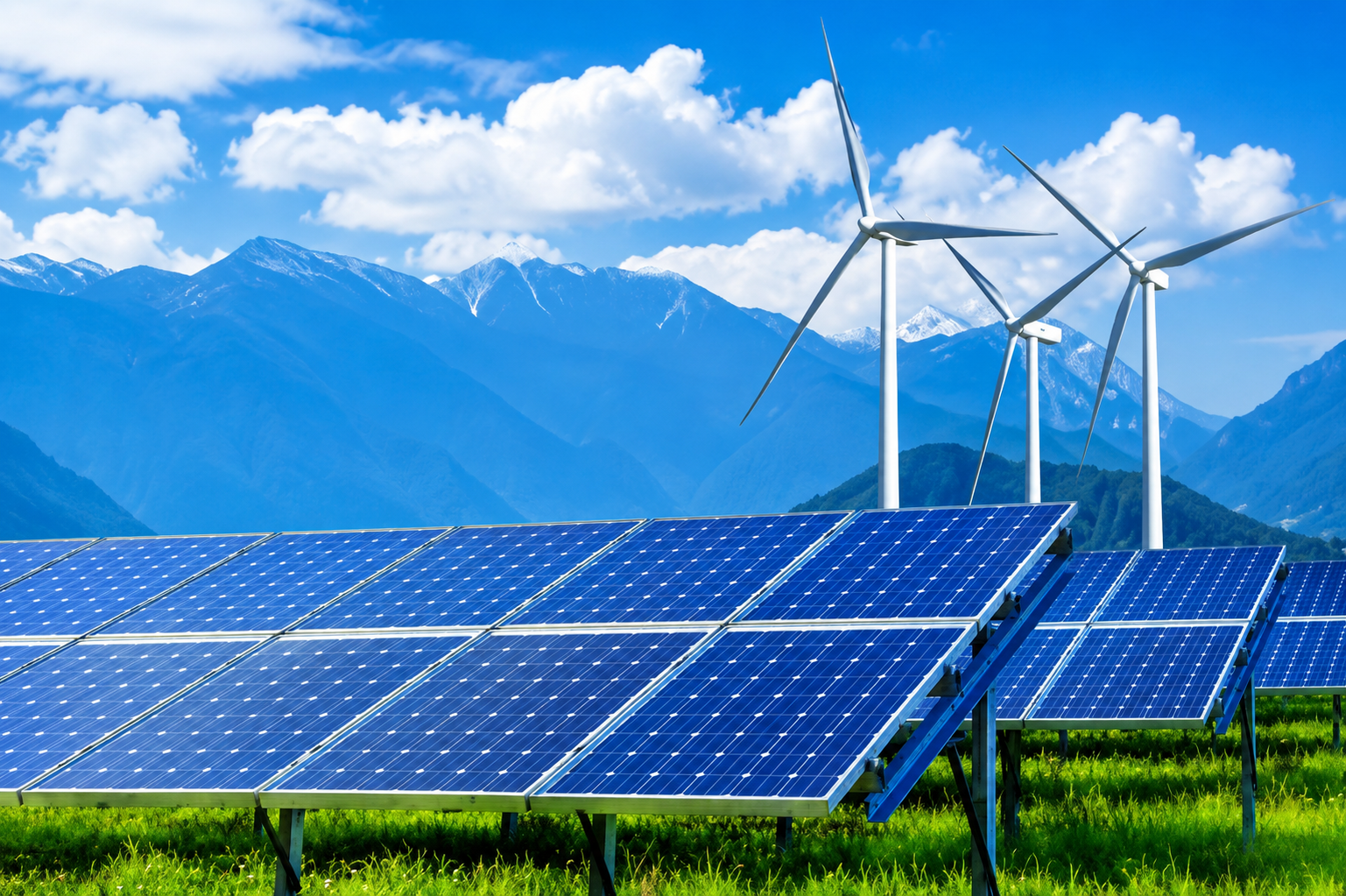
Liberia is beginning to rely more on its own electricity supply after restoring a major hydropower turbine and adding a new solar power plant. The development has increased local power generation and allowed the country to reduce the amount of electricity it buys from neighbouring countries.
Government officials said the move could save millions of dollars every year and strengthen Liberia’s energy sector.
Local power generaton gets local boost
The Liberia Electricity Corporation (LEC) recently restored a turbine at the Mount Coffee Hydropower Plant that had been out of service for four years. The repair returned 22 megawatts to the national grid and brought the plant back to its full capacity of 88 megawatts.
The gain became even more significant with the addition of a new 20-megawatt solar farm commissioned by President Joseph Boakai.
Information Minister Jerolinmek Matthew Piah said the combined projects added 42 megawatts to Liberia’s electricity supply.
“One of the damaged turbines has been restored, and the country is now receiving the full 88 megawatts from the hydropower plant,” Piah said.
“In addition, there is the extra 20 megawatts from the solar farm that was recently dedicated by the President.”
The increased supply means Liberia can now meet a larger share of its electricity needs from domestic sources rather than depending heavily on imported power.
Millions may be saved
For years, Liberia relied on electricity imports through the Côte d’Ivoire-Guinea-Liberia-Sierra Leone (CLSG) interconnection project. The regional power-sharing arrangement was created to help member countries address electricity shortages and improve access to power.
Liberia in 2024 was importing about 35 megawatts through the CLSG network. The figure later rose to around 50 megawatts during 2024 and 2025 as demand increased.
Those imports came at a high cost. According to official figures, Liberia spent between $20 million and $31 million annually on imported electricity, depending on regional market prices.
With the restored turbine and new solar facility now contributing power to the national grid, LEC has started reducing the volume of electricity it purchases from Côte d’Ivoire and Guinea.
The shift marks an important step for Liberia’s energy sector. Lower import levels could free up significant funds that would otherwise be spent on foreign electricity purchases.
It is believed that greater reliance on locally generated power will improve the stability of electricity supply across the country.
The latest development shows how investment in domestic energy infrastructure is beginning to change Liberia’s power system. The country is not only increasing electricity generation but also reducing a costly dependence on imported power, a move that could bring financial and energy security benefits.
Related Stories
Zambia Signs 500 MW Solar Deal With Korea's KS Eco, Eyes Nuclear Power
Liberia Set to Save Millions as New Power Capacity Reduces Foreign Electricity Dependence
Credit Rating Rules Keep 600 Million Africans Waiting for Electricity
Norfund Backs Solar Telecom Towers to Cut Diesel Dependence in African States
Sign up for our newsletter.
Get the latest news, expert analysis, and industry insights delivered straight to your inbox. Join thousands of professionals shaping the future of energy.
By submitting my information, I agree to the Privacy Policy and Terms of Service.