Renewables |Power
Norfund Backs Solar Telecom Towers to Cut Diesel Dependence in African States
Renewable energy is gaining ground in Africa’s telecom sector as a new investment targets cleaner power solutions for mobile towers in Mali, South Sudan and the Central African Republic.
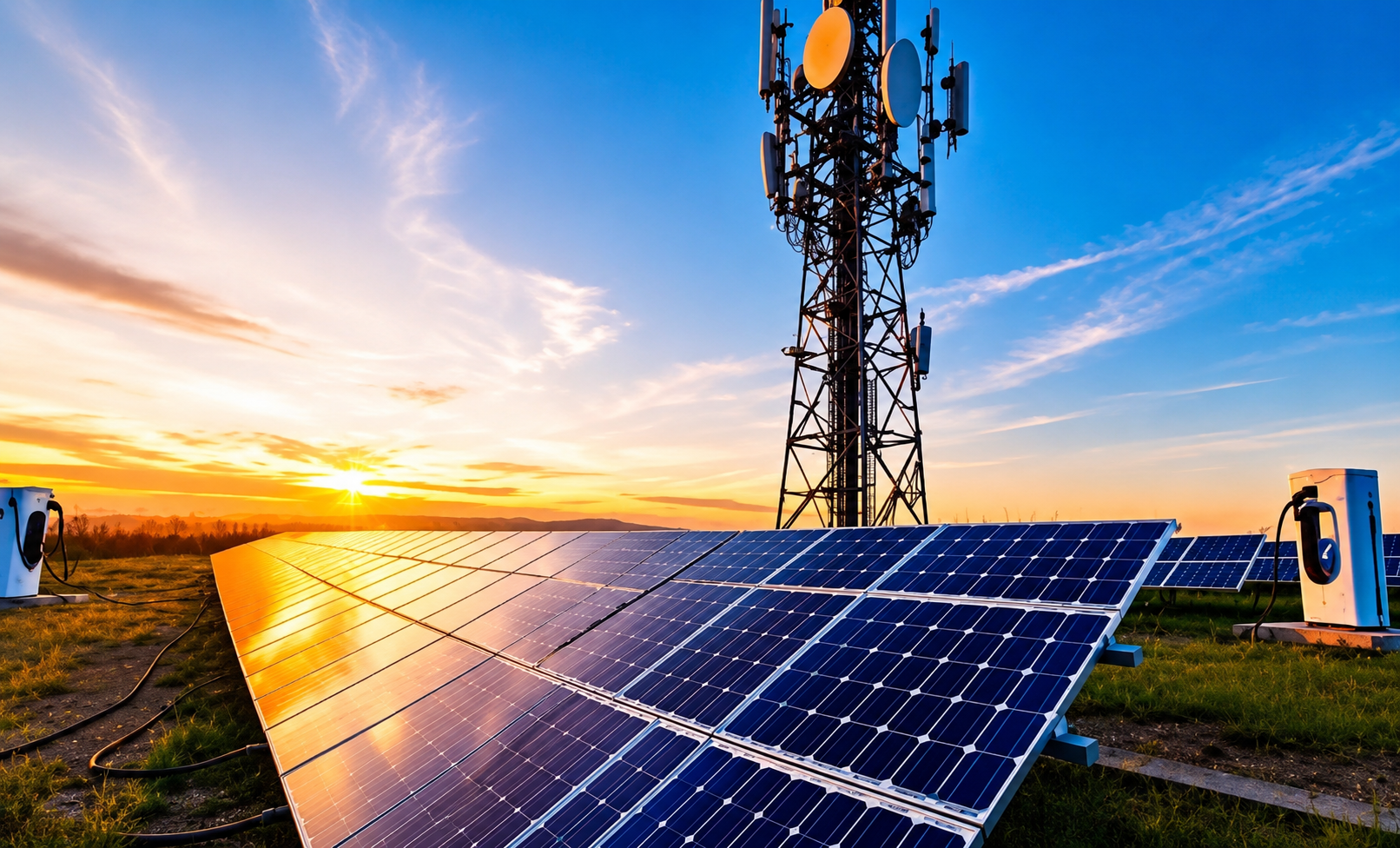
A new $30 million investment by Norfund is set to reduce the heavy use of diesel in telecom operations across Mali, South Sudan and the Central African Republic, bringing renewable energy into a sector that has long relied on costly fuel imports.
The investment will fund solar-powered and hybrid energy systems for telecom towers in the three countries. The move is expected to lower fuel costs, improve energy security and keep mobile networks running more reliably in areas where power supply remains a major challenge.
Telecom towers in many remote parts of Africa have depended on diesel generators. Fuel often has to be transported over long distances, increasing operating costs and exposing network providers to supply disruptions.
Norfund said the project will help replace a large share of that diesel consumption with solar energy, making telecommunications infrastructure cleaner and more sustainable.
Project Manager of the investment at Norfund, Reza Mardanghom, said:
“Affordable and reliable access to mobile connectivity is crucial for communication as a foundation for economic activity and security, and investments like these are essential contributions to development in countries facing challenging situations.”
The project highlights a situation in Africa where renewable energy is being used not only for homes and businesses but also for critical infrastructure such as telecom networks.
Communication and Renewable Energy Infrastructure (CREI), which will support the rollout, said the project goes beyond reducing emissions.
“By modernizing and managing our partners’ telecom sites with hybrid energy infrastructure, we are making renewables the primary source of power at these sites,” said Ghada Ghotmeh, Chief Investment Officer of CREI.
“The result is lower costs for our partners, greater energy security and improved network availability. Energy at the sites is now both greener and more efficient than previously, while power availability has increased.”
It is believed that stable telecom networks are essential for banking, trade, emergency response and digital services. In countries facing security and economic challenges, network outages can have serious effects on daily life and business activities.
South Sudan is expected to benefit significantly from the initiative. The project is expected to reduce the country's dependence on imported diesel while improving connectivity for businesses and communities.
According to the investors, stronger telecom infrastructure can support economic growth and improve access to digital services in underserved areas.
The investment is being made alongside the Facility for Energy Inclusion, a debt fund managed by Cygnum Capital, where Norfund is also an investor.
Apart from the immediate energy benefits, the project is being viewed as a model for attracting further investment into difficult markets, showing how renewable energy can strengthen critical infrastructure while supporting long-term development goals.
Related Stories
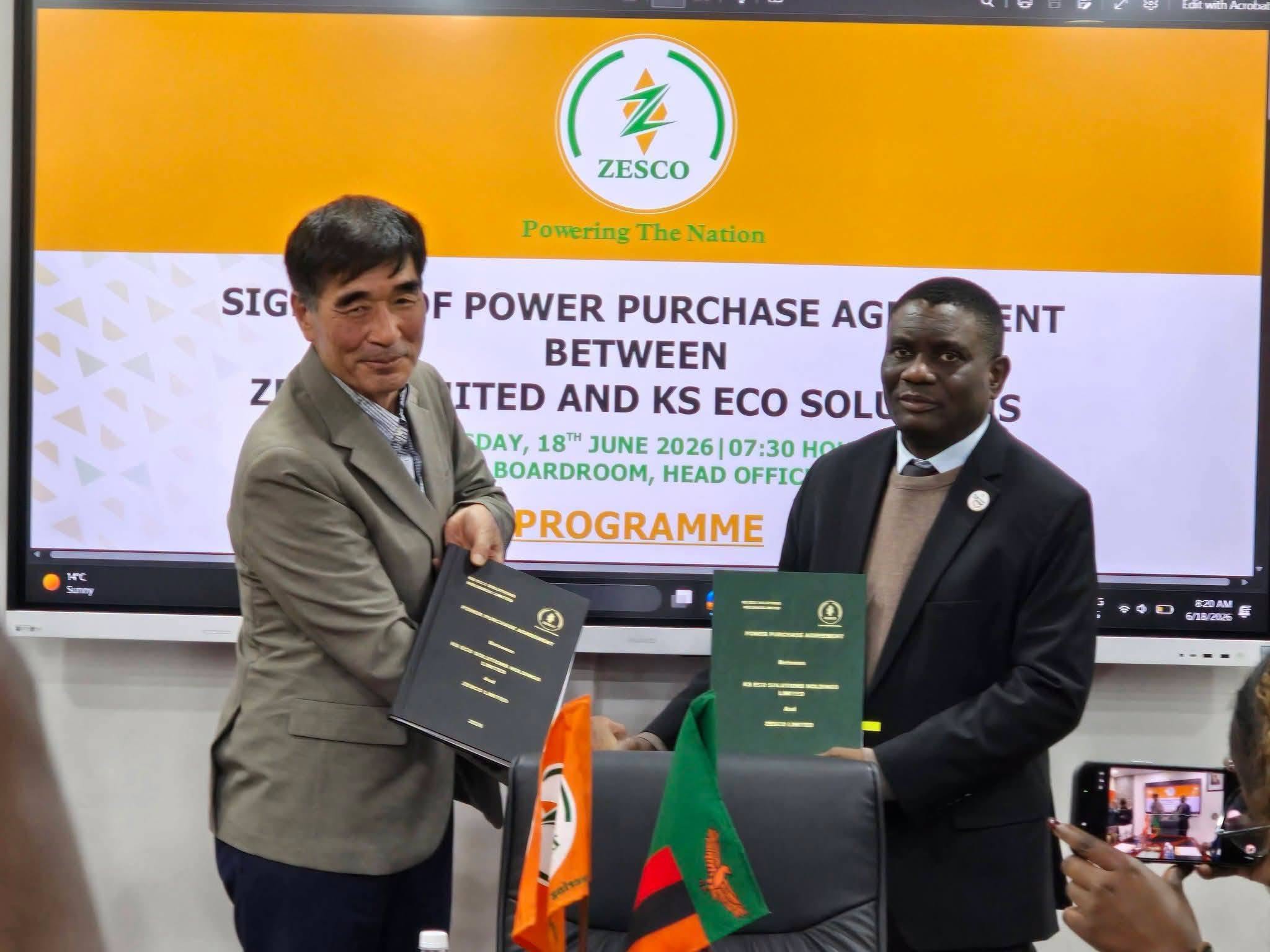
Zambia Signs 500 MW Solar Deal With Korea's KS Eco, Eyes Nuclear Power
Infinity Power Signs Three Renewable Energy Agreements to Advance African Projects
Liberia Set to Save Millions as New Power Capacity Reduces Foreign Electricity Dependence
Scatec, Aeolus Reach Financial Close on 120MW Tunisia Solar Project
Sign up for our newsletter.
Get the latest news, expert analysis, and industry insights delivered straight to your inbox. Join thousands of professionals shaping the future of energy.
By submitting my information, I agree to the Privacy Policy and Terms of Service.