Power
Malawi Connects More Homes to Grid Running Short of Power
Electricity demand has reached 451.61MW, but available generation is 370MW as a K447bn financing gap stalls projects meant to close the shortfall.
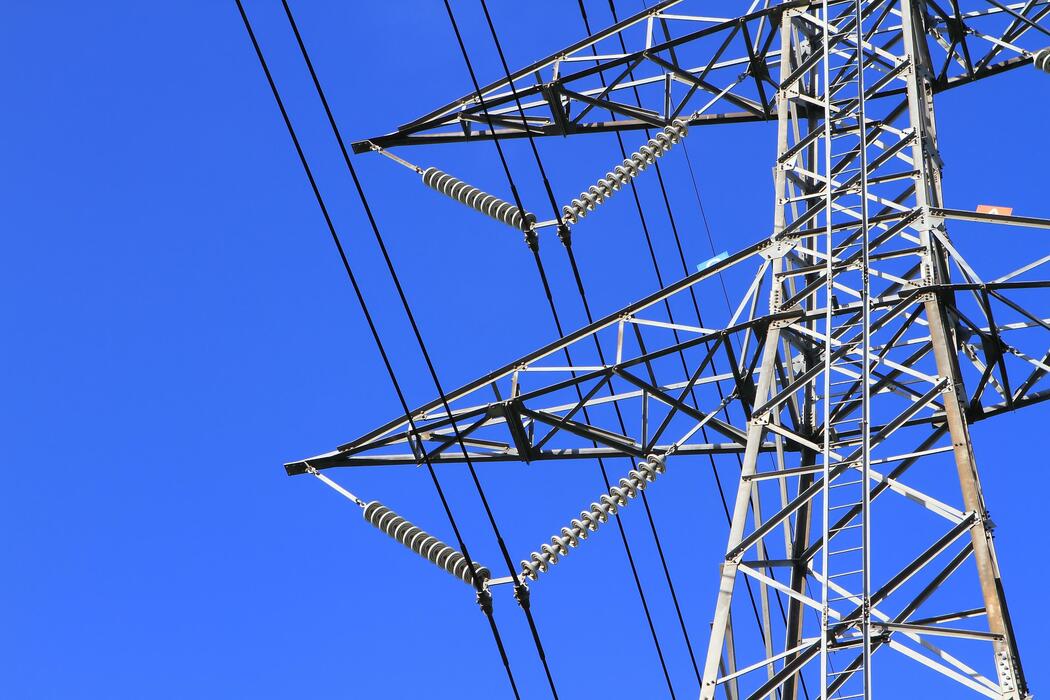
Malawi’s electricity network is expanding its reach faster than new power plants are coming into service, leaving a system that is connecting more users but unable to supply enough electricity for peak demand.
The strain is already visible in the numbers. Peak demand has climbed to 451.61 megawatts, yet only 370MW is currently available for generation, even though installed capacity stands at 434.67MW.
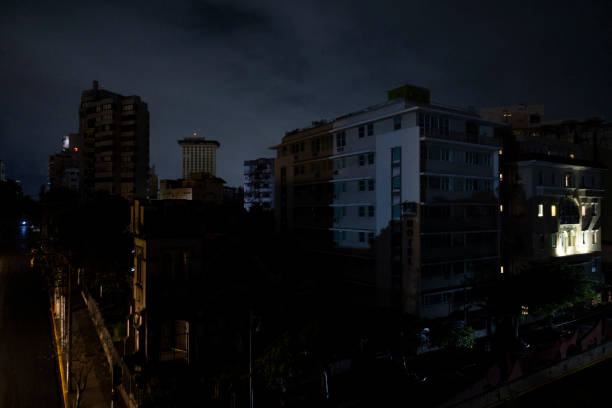
The difference forces about 66.85MW of load shedding during periods of highest demand, exposing a power problem rooted not in a lack of connections but in the shortage of electricity available to those already connected.
Access programmes, including the Malawi Electricity Access Project and the Malawi Rural Electrification Programme, have extended the grid to more homes and businesses. But generation has not expanded at the same rate.
That imbalance has turned electricity access into a difficult proposition for consumers and businesses: connection to the grid does not always guarantee supply when demand peaks.
K447bn gap stalls new generation
A major obstacle is funding.
A Japan International Cooperation Agency position paper published in May put the power sector’s financing gap for the 2025/26 fiscal year at about K447 billion, or $258 million.
The sector requires K468bn, but Treasury allocated K21bn.
The funding shortage has affected the timetable for projects expected to provide additional electricity, including the 40MW Salima Solar Phase II, an 80MW combustion gas turbine, hydropower schemes on the Bua River and the proposed 300MW Kam’mwamba coal-fired plant.
The projects have repeatedly failed to meet their expected completion dates.
Malawian economist Velli Nyirongo said the country’s electricity problem was built into the order of its power expansion: access was extended without sufficient matching investment in generation.
He said consumers and the economy were now carrying the cost of the resulting imbalance between supply and demand.
The shortage also has implications for businesses.
Frequent power interruptions raise operating costs and can discourage industrial investment. That, in turn, limits the economic activity that could contribute to funding new electricity infrastructure.
Consumer Association of Malawi leader John Kapito said the country would be in a far better position if previously announced generation projects had been completed.
Kapito estimated that Malawi could now have close to 3,000MW of generation capacity, compared with current available output, if the projects had materialised.
Batteries buy time, not capacity
Electricity Supply Corporation of Malawi is attempting to reduce immediate pressure through demand-side management and a recently commissioned Battery Energy Storage System at Kanengo.
The battery system is intended to ease stress on the grid during periods of high demand.
Electricity Generation Company, on its part, has pointed to its pipeline of projects as evidence that more generation capacity is planned, although progress has fallen behind earlier expectations.
The measures may provide temporary relief, but the figures point to a larger problem.
Malawi’s present peak demand exceeds available generation by more than 80MW, and the system is already resorting to load shedding of about 66.85MW during peak hours.
The country therefore faces a difficult electricity arithmetic: more consumers are entering the network, but the money required to build sufficient new generation has not been available.
With K447bn still needed to close the 2025/26 financing gap identified by JICA, projects intended to expand supply face the same obstacle that has delayed earlier plans.
Related Stories
Sign up for our newsletter.
Get the latest news, expert analysis, and industry insights delivered straight to your inbox. Join thousands of professionals shaping the future of energy.
By submitting my information, I agree to the Privacy Policy and Terms of Service.