Power
Tunisia Power Demand Rises as Renewables Supply 9.2% of Output
Electricity production reached 9,550 GWh by June 2026, but renewable generation still made up less than one-tenth of national output.
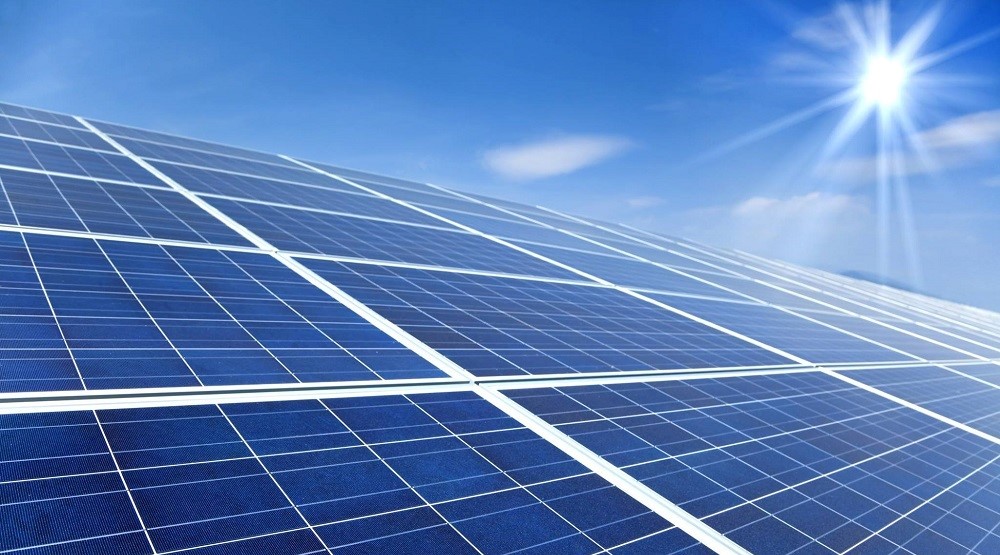
Tunisia’s electricity production rose by 5 per cent in the first six months of 2026, even as renewable sources supplied only 9.2 per cent of national output, data from the National Observatory of Energy and Mines show.
National production reached 9,550 GWh by the end of June, up from 9,058 GWh during the same period in 2025. The figure includes electricity produced through renewable self-generation.
The increase came as peak electricity demand also climbed by 5 per cent, reaching 4,750 MW compared with 4,531 MW a year earlier.
The figures show a power system producing more electricity to meet higher demand, with renewable energy still accounting for a small share of total generation.
Solar installations expand
The Tunisian Electricity and Gas Company, STEG, produced 91 per cent of the country's electricity by the end of June.
Renewable energy supplied the remaining 9.2 per cent, with solar power making up an important part of the country's self-generation capacity.
About 500 MW of rooftop photovoltaic capacity had been installed in homes by the end of June 2026.
Another 130 MW was connected to medium- and high-voltage networks serving industrial, services and agricultural users.
The installations, together, represent about 630 MW of photovoltaic capacity in the residential, industrial, services and agricultural sectors.
Tunisia plans to generate 30 per cent of its electricity from renewable sources by 2030. The goal was set in October 2009, but by 2019 only one-tenth of the goal had been achieved, based on a report by the International Renewable Energy Agency, IRENA.
IRENA said Tunisia would need greater involvement from national financial institutions and changes to the financial tools used to support renewable energy projects.
It also said the Energy Transition Fund needs new capital so it can provide more credit to industry.
The report was prepared with Tunisia’s Ministry of Industry, Energy and Mines and the National Agency for Energy Management.
It said local banks also need greater capacity to improve conditions for domestic investment in renewable energy.
The report recommended an electricity regulatory authority and simpler procedures for procurement and project approvals.
Imports still cover part of demand
Electricity production for Tunisia’s domestic market rose by 4 per cent by the end of June 2026.
Yet electricity purchases, mainly from Algeria, supplied 10 per cent of domestic market needs during the period.
The figures also show different patterns among electricity users.
Industrial customers accounted for 59 per cent of demand from high- and medium-voltage users, making industry the largest consumer group within those categories.
Electricity sales to high-voltage customers fell by 5 per cent, but sales to medium-voltage customers rose by 1 per cent.
Some industrial activities used less electricity. Sales to the chemical and petroleum industries fell by 5 per cent, and those to the building materials industry dropped by 2 per cent.
Other sectors recorded higher electricity sales. The paper and publishing industry recorded an 8 per cent rise, followed by agricultural pumping with a 6 per cent increase.
Overall electricity sales rose by only 1 per cent between June 2025 and June 2026.
The National Observatory of Energy and Mines cautioned that low-voltage sales figures do not give a precise picture of actual consumption. About 75 per cent of low-voltage electricity use is residential, and billing is done every two months, with nearly half of consumption estimated.
IRENA also recommended greater private sector participation in Tunisia’s energy plans under the National Energy Transition Strategy.
The combination of rising demand, higher national production and continued reliance on imported electricity leaves renewable generation as a significant part of Tunisia’s plans for changing its electricity supply.
Related Stories

Sign up for our newsletter.
Get the latest news, expert analysis, and industry insights delivered straight to your inbox. Join thousands of professionals shaping the future of energy.
By submitting my information, I agree to the Privacy Policy and Terms of Service.